MakeSense:
HEK293T cell-based biosensor for
hydroquinone detection in cosmetics
The Problem We're Solving
$467B
global trade in counterfeit goods annually (OECD 2025)
Banned
hydroquinone in cosmetics (EU, US, UK) yet still found in products
Cell-Based
biosensor for hydroquinone detection via oxidative stress response
The Hidden Danger in Cosmetics
The Hydroquinone Problem
Hydroquinone is a depigmenting agent banned in cosmetics by the EU, US, and UK due to documented health risks. At concentrations above 2%, chronic exposure can cause exogenous ochronosis (irreversible bluish-black skin discoloration) and contact dermatitis. It has also been classified as potentially carcinogenic (mutagenic in vitro). Despite this ban, hydroquinone appears in counterfeit skin-lightening products sold through unregulated channels, exposing consumers to concentrations that can generate reactive oxygen species (ROS) and induce cellular oxidative stress.
Market Context: The global skin lightening products market is projected to grow from $9.67 billion (2024) to $16.42 billion (2032) (Grand View Research, 2024). This expanding market creates opportunities for counterfeit manufacturers to introduce illegal products containing undeclared hydroquinone. The OECD estimates global counterfeit trade at $467 billion annually, with cosmetics representing a significant portion. Counterfeit skin-lightening products frequently contain hydroquinone at unregulated concentrations (often 4-10%, well above the 2% medical prescription limit), unlabeled and sold through online marketplaces and informal retail channels.
Our Innovation
While analytical methods like HPLC and LC-MS can detect hydroquinone, they require expensive equipment and trained personnel. Our team is developing an accessible, cost-effective alternative: engineered HEK293T cells that respond to hydroquinone through cellular oxidative stress pathways.
Our engineered HEK293T cells carry a reporter construct driven by an oxidative stress-responsive promoter (ARE). When exposed to hydroquinone, the compound induces oxidative stress in cells, activating the antioxidant response pathway and driving GFP expression. Fluorescent signal intensity correlates with hydroquinone concentration, providing a quantifiable detection method.
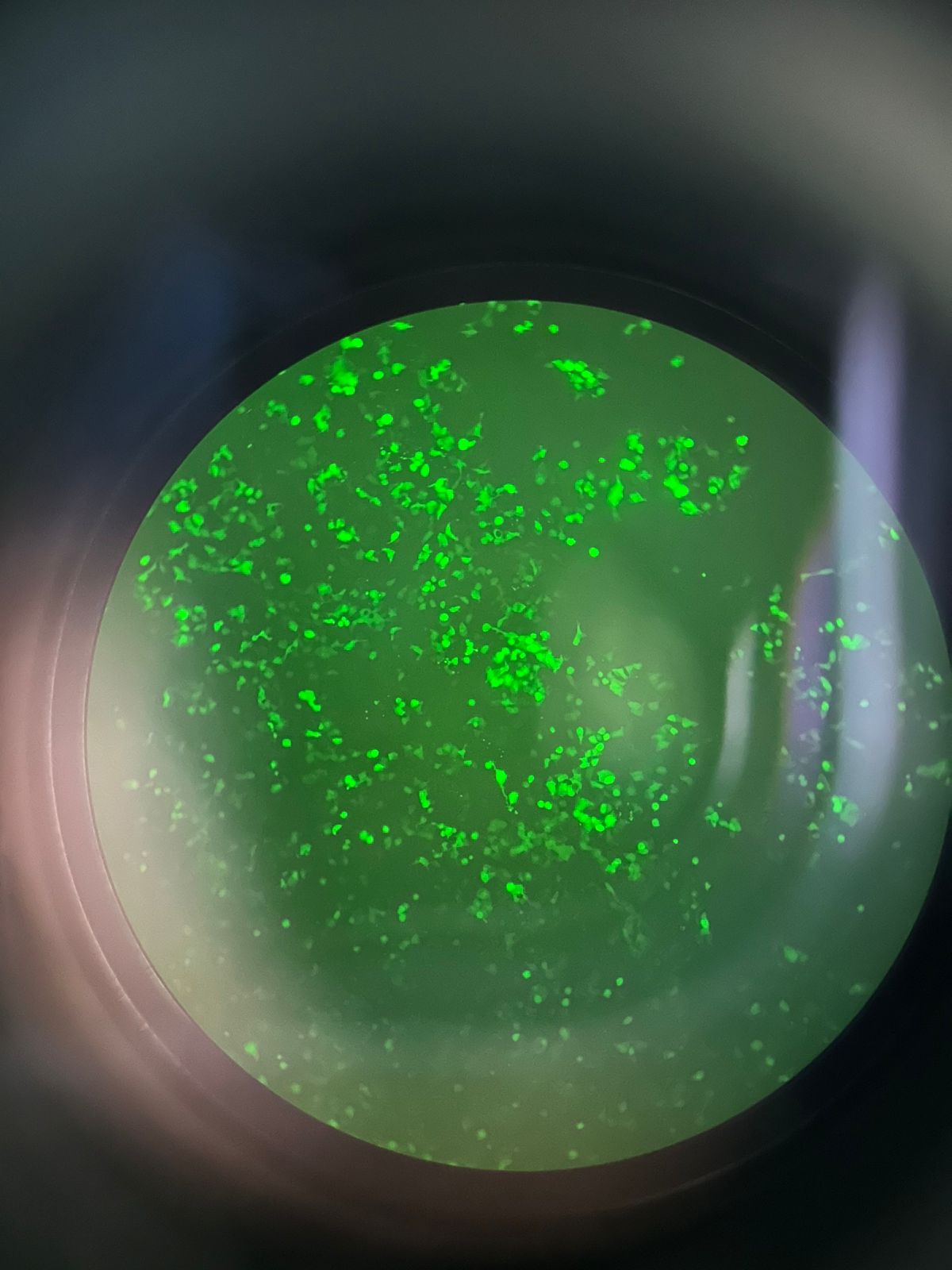
Cell-Based Detection System
We've engineered HEK293T cells to detect hydroquinone in cosmetics through an oxidative stress-responsive biosensor.
- Detects hydroquinone via ARE-driven GFP reporter
- Dose-dependent fluorescent response
- More accessible than HPLC/LC-MS equipment
- Uses mammalian cell oxidative stress pathways
- No animal testing required for detection
Learn More
Discover how our MakeSense works and the impact it can make.