

Introduction
Sustainable development refers to development that meets the needs of the present generation without compromising the ability of future generations to meet their own needs. It is an integral system that aims to achieve economic development while protecting the natural resources and environment essential to human survival, such as the atmosphere, freshwater, oceans, land, and forests, so that future generations can achieve sustainable development and live in peace and prosperity. Sustainable development and environmental protection are interconnected yet not identical. Environmental protection is an important aspect of sustainable development. The core of sustainable development is development itself, but it requires economic and social development to be carried out on the premise of strictly controlling population size, improving population quality, protecting the environment, and ensuring the sustainable use of resources. The goals of sustainable development are characterized by three hallmark elements: balancing and considering the economic, environmental, and social dimensions of sustainable development; leaving no one behind; and ensuring the satisfaction of the basic needs for the well-being of future generations.
The problem of microplastic pollution in marine and aquatic environments has a long history. Since the concept of "microplastics" was first proposed in 2004 and attracted global attention, its main source has been identified as terrestrial input. For example, agricultural plastic films widely used in farmland and greenhouse cover films are important sources of microplastics; in urban environments, synthetic fiber clothing releases a large number of polymer fibers during washing, and cosmetics containing plastic particles enter sewage treatment plants through sewers, making these plants concentrated discharge sources of microplastics; in the transportation sector, rubber particles generated by tire wear also fall into the category of microplastics; in addition, plastic debris formed by the erosion of construction materials by rainwater during their aging process can also enter water bodies through surface runoff. These microplastics are eventually transported to the ocean via migration pathways such as rivers. With the continuous increase in plastic production, effective control and management measures are still lacking at present, leading to the increasing severity of microplastic pollution in marine and freshwater environments, which continues to pose a potential threat to ecosystems.

During the "Coastal Cleanup" activity initiated by the team, everyone was shocked to find that we collected 279 pieces of plastic waste along a coastal section of only 100 meters.
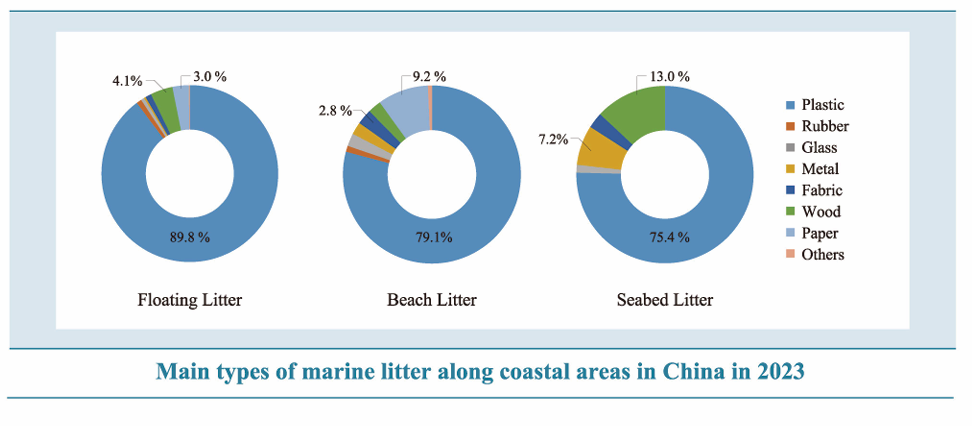
Data from 2023 Bulletin of Marine Ecology and Environment Status of China has become a shocking reality before our eyes: among the marine debris (marine floating debris, beach debris, and seabed debris) in the monitored areas in 2023, plastic debris accounted for the largest proportion, making up 89.8%, 79.1%, and 75.4% respectively. The plastic debris mainly includes foam, plastic ropes, plastic bags, fishing nets, plastic bottles, plastic fragments, packaging plastics, cigarette butts, foam, plastic bottles, bottle caps, packaging plastics, plastic bags, plastic bottles, plastic ropes, packaging bags, plastic films, etc.
After discussions with sustainable development lecturers Ms. Yao and Ms. Zeng, we have initially identified seven Sustainable Development Goals (SDGs) that are closely linked to the research topic of plastic degradation. These goals include SDG 3 (Good Health and Well-being), SDG 6 (Clean Water and Sanitation), SDG 9 (Industry, Innovation and Infrastructure), SDG 14 (Life Below Water), SDG 11 (Sustainable Cities and Communities), SDG 12 (Responsible Consumption and Production), and SDG 17 (Partnerships for the Goals).

After evaluating and discussing the team’s project, we have decided to focus on elaborating on six aspects, namely SDG 3 (Good Health and Well-being), SDG 6 (Clean Water and Sanitation), SDG 11 (Sustainable Cities and Communities), SDG 12 (Responsible Consumption and Production), SDG 14 (Life Below Water), and SDG 17 (Partnerships for the Goals). Meanwhile, taking into account the competitive nature of the iGEM competition, we have finally included SDG 4 (Quality Education) as one of our promotion goals.
It is worth noting that the 17 Sustainable Development Goals are not isolated from each other, but are interrelated and mutually reinforcing. Therefore, when we elaborate on one goal, we often touch on other goals. We will also briefly explain the negative or positive impacts of other goals on the original goal.
SDG 6 and SDG 14

In accordance with the order of the above mind map, we will first introduce SDG 6 (Clean Water and Sanitation) and SDG 14 (Life Below Water).

Problem Identification
Terrestrial input is the main source of microplastic pollution in marine and aquatic environments. While global plastic production continues to rise, effective control and management measures remain insufficient at present. This has led to a growing severity of microplastic pollution in both marine and freshwater environments, which continues to pose a potential threat to ecosystems. The 2019 Global Sustainable Development Report indicates that the lack of access to safely managed drinking water and sanitation services is a common global challenge today. Currently, more than 2 billion people are drinking contaminated water. Regions facing extreme water scarcity or relying on desalination for water supply are confronted with even more severe microplastic pollution. Seawater desalination produces and discharges large volumes of high-salinity wastewater; when this wastewater containing microplastics is released into the environment, it exacerbates microplastic pollution. The complexity of the marine environment and the diverse physicochemical properties of microplastics may alter the adsorption behavior of microplastics toward various typical pollutants—such as heavy metals, persistent organic pollutants (POPs), antibiotics, and phenolic compounds—under high-salinity conditions. This could bring unexpected risks to human health and the safety of marine ecosystems.
What the project can do
Based on the research topic of addressing marine plastic pollution and microplastic treatment in high-salinity wastewater using synthetic biology approaches, this project has screened out protein sequences with potential PET-degrading functions through in-depth mining of the Global Ocean Microbiome Census (GOMC) database. This provides a key molecular tool for the development of engineered microorganisms capable of functioning in situ in high-salinity polluted environments.
The project offers a new perspective for the enzymatic degradation of marine plastic waste and plastics in high-salinity water bodies. Meanwhile, the degradation of microplastics in high-salinity water can effectively prevent microplastics from adsorbing various typical pollutants under high-salinity conditions, thereby contributing to the provision of clean water sources.
Aligned Sub-Goals
Achieve universal and equitable access to safe and affordable drinking water for all.
Improve water quality by reducing pollution, eliminating dumping, and minimizing hazardous chemical release; halving untreated wastewater; and substantially increasing recycling and safe reuse globally.
Substantially increase water-use efficiency across all sectors; ensure sustainable freshwater withdrawals and supply to address scarcity; and substantially reduce the number of people suffering from water scarcity.
Interaction with Stakeholders
Overview
We visited Jingu Sewage Treatment Plant and consulted with Zhang Hao and Liao Shanshan, directors of the Plant's Process Management Department, exchanging ideas with them. see more

First, we learned about the scale of the municipal sewage treatment plant, as well as the detailed processes and technologies for sewage treatment; subsequently, we consulted the staff on the pollution discharge standards for municipal sewage treatment plants.
Record
- A. The treatment process is mainly divided into three major stages: the pre-treatment zone, the biological treatment zone, and the advanced treatment zone.
- B. In the pre-treatment zone, the first process (coarse screening) removes large floating objects from the sewage and intercepts debris with a diameter larger than 20mm to ensure the normal operation of the sewage lifting system. The third process (fine screening) removes floating objects and large solid substances with a diameter larger than 5mm from the sewage to ensure the normal operation of the biological treatment and sludge systems. During the pre-treatment stage, large plastic pieces are intercepted, but microplastic particles with a diameter smaller than 5mm cannot be blocked and will still enter the second stage.
- C. In the biological treatment zone, the biological tank uses microbial metabolism to bring COD (Chemical Oxygen Demand), ammonia nitrogen, total nitrogen, and total phosphorus in the water up to the treatment standards. This stage does not involve the biodegradation of plastics.
- D. The advanced treatment zone mainly includes processes such as sedimentation, filtration, and disinfection, and also does not involve processes for microplastic treatment.
- E. After the multi-stage wastewater treatment process, most microplastics are trapped in the sludge. The remaining microplastics are discharged into natural water environments such as rivers and oceans along with the effluent from the sewage treatment plant.
- F. Later, when we consulted the staff about the national standards for pollutant discharge from municipal sewage treatment plants, we found that no discharge standards have been formulated for microplastics.


Overview
We took the question "There are no plastic treatment indicators in sewage treatment plants" and interviewed Professor Liu Xianhua from the School of Environmental Science and Engineering, Tianjin University . From a more professional perspective, he explained to us the various influencing factors in the processes of sewage treatment and seawater desalination. see more

Record
- A. Currently, in the processes of sewage treatment and seawater desalination, there has not yet been a clear definition of specific treatment needs for microplastics, and relevant facilities usually do not have separate microplastic treatment processes.
- B.From the perspective of standards and supervision, the current sewage discharge standards mainly focus on conventional pollutants such as COD, with no discharge limits set for microplastics, nor are there requirements for relevant testing indicators. Sewage treatment plants already bear operational costs such as electricity and chemicals during operation and are in a state of continuous investment; they do not have the incentive to take on the additional burden of microplastic treatment.
- C. From the technical and testing perspective, as an emerging pollutant, there is still a lack of unified testing standards for microplastics. Due to differences in pretreatment methods and testing techniques among different institutions, there are significant deviations in test results. Moreover, the entire testing process relies on complex pretreatment and expensive equipment, resulting in high costs—this further limits the routine monitoring and dedicated treatment of microplastics in public facilities like sewage treatment plants.
- D. Although studies have shown that existing sewage treatment processes (such as sedimentation and flocculation) can remove over 90% of microplastics, sewage treatment plants remain a major source of microplastic discharge due to the enormous volume of wastewater they process.
- E. In the future, with the gradual establishment of emerging pollutant management standards and the improvement of monitoring capabilities, if microplastics are officially incorporated into the supervision system, relevant treatment needs and dedicated treatment technologies will achieve rapid development and application.
Reflection
Our visits to sewage treatment plants and consultation with Professor Liu Xianhua made us realize that addressing the historical lack of (microplastic-related) indicators requires efforts from multiple parties.
Earlier this year in April, the news that the world's first international standard for microplastic management in water supply systems—ISO 24515 Guidelines for the Control and Management of Microplastics in Water Supply Systems, led by the team of Professor Xie Bing from East China Normal University—successfully passed the voting for the establishment of a new work project and was officially approved to enter the ISO standard-setting process, has made us see a turning point in this situation.
The achievement of SDG 6 (Clean Water and Sanitation) cannot be separated from the joint efforts of all sectors of society. We also call on more people to participate in the battle to protect water resources, and work together to improve and promote microplastic indicators in water supply systems.
SDG 14: Underwater Organisms

Problem Identification
SDG 14 (Life Below Water) and SDG 6 (Clean Water and Sanitation) are closely linked: "The world’s oceans—their temperature, chemistry, currents, and life—drive the Earth system that makes our planet habitable. Our rainwater, drinking water, weather, climate, coastlines, much of our food, and even the oxygen we breathe are all ultimately provided and regulated by the oceans. Throughout history, the oceans have been vital channels for trade and transportation. The careful management of this crucial global resource is a key feature of a sustainable future."
Not only households, factories, roads, and sewage treatment plants, but also shipping, fisheries, oil and gas industries, and more can be sources of marine plastics. Large plastic particles break down into smaller ones under the influence of seawater, sunlight, and other factors. These particles are three-dimensionally distributed in the ocean in a "cloud-like" pattern, and eventually, microplastics accumulate in specific areas. Meanwhile, during this process, aquatic organisms take in (micro)plastics directly or absorb them through their skin, allowing microplastics to enter the food chain. These microplastics, which are present in specific tissues (such as skin, digestive tracts, muscles, livers, and gills), can further affect other organisms through the food chain and ultimately accumulate in the human body.
What the project can do
The successful modification of PET05 in this project demonstrates that PET05 has potential value for being transformed into a tool capable of large-scale production and application in bioremediation practices for PET plastic degradation. Although the enzyme activity of PET05 and its mutants has been proven to be relatively low at present—far inferior to that of widely used alternatives such as ICCG—its unique properties enable it to be applied in extreme scenarios like high-salinity environments, making it suitable for in-situ remediation of high-salinity water bodies. This provides a new perspective for addressing microplastics that have already entered the ocean.
Aligned Sub-Goals
Prevent and significantly reduce marine pollution of all kinds, particularly from land-based activities, including marine debris and nutrient pollution. This includes reducing plastic waste and improving wastewater treatment.
Sustainably manage and protect marine and coastal ecosystems to avoid significant adverse impacts, including by strengthening resilience, and take action for their restoration to achieve healthy and productive oceans. This involves reducing overfishing and protecting critical habitats.
Interaction with Stakeholders
Overview
We interviewed Professor Liu Xianhua from the School of Environmental Science and Engineering, Tianjin University (with a link to the PDF in iHP's Academic section if feasible), and consulted him in detail and comprehensively regarding knowledge about microplastic pollution in marine or aquatic environments. see more

Record
- A.Microplastic pollution in marine and aquatic environments has a long history. Since the concept of "microplastics" was first proposed in 2004 and attracted global attention, its main source has been identified as terrestrial input. These microplastics eventually flow into the ocean via migration pathways such as rivers. With the continuous increase in plastic production, effective control and management measures are still lacking at present, leading to the growing severity of microplastic pollution in marine and freshwater environments, which continues to pose potential threats to ecosystems.
- B.Under conditions of high degrading enzyme activity, if plastics are degraded in an open environment, incomplete degradation may indeed break down plastics into smaller particles, which then form microplastics. However, in practical engineering applications, the degradation process can be effectively controlled by constructing a closed reaction system—this allows plastics to be further collected and recycled as small molecules after degradation, thereby avoiding microplastic leakage and environmental risks. For the current mainstream chemical and physical degradation methods, the key to preventing microplastic formation also lies in using closed systems for reactions, ensuring that all intermediate degradation products are effectively controlled and recycled, and preventing them from being converted into microplastics due to uncontrolled diffusion in open environments. In addition, although degradable plastics may also form small particles during degradation, they have a shorter degradation cycle and can be completely decomposed by the environment eventually. Compared with traditional plastics, they are easier to control and pose relatively less long-term harm to the environment, so they can be used as an auxiliary alternative.
Reflection
As our interviewee, Professor Liu Xianhua, stated: "In the future, with the gradual establishment of emerging pollutant management standards and the improvement of monitoring capabilities, if microplastics are officially incorporated into the supervision system, relevant treatment needs and dedicated treatment technologies will achieve rapid development and application."
The realization of SDG 6 (Clean Water and Sanitation) and SDG 14 (Life Below Water) requires the joint efforts of all sectors of society. We also hope that future research on the properties of PET05 can be further advanced, leading to the development of satisfactory PET-degrading enzymes—thereby contributing to microplastic degradation, the achievement of clean water sources, and the protection of aquatic organisms.
SDG 6 and SDG 14 have traced the origin and fate of plastics in aquatic systems, while SDGs 3 and 11 have highlighted the potential threats that microplastics pose to human health and well-being, as well as the overabundance of single-use products that are cheaply produced yet poorly recycled. We therefore turn next to SDG 12—“Ensure sustainable consumption and production patterns”—and SDG 17—“Global Partnership for Sustainable Development Goals”—to underscore that plastic pollution is not solved by awareness and technology ; it demands responsible production and consumption on a truly global scale.
SDGs 3 Ensure healthy lives and promote well-being for all at all ages

Problem Identification
The issue of microplastic pollution in aquatic environments has a long history. Since the concept of "microplastics" was first proposed in 2004 and attracted global attention, its main source has been identified as terrestrial input. For instance, agricultural plastic films widely used in farmland and greenhouse cover films are important sources of microplastics; in urban environments, chemical fiber clothing releases a large number of polymer fibers during washing, and cosmetics containing plastic microbeads enter sewage treatment plants through sewers, making these urban sources concentrated discharge points of microplastics; in the transportation sector, rubber particles generated by tire wear also fall into the category of microplastics; in addition, plastic debris formed by the erosion of aging construction materials by rainwater can enter water bodies through surface runoff. These microplastics are eventually transported to and accumulate in the ocean via migration pathways such as rivers. Similar to the analysis of the harm microplastics cause to SDG 14 (Life Below Water), these microplastics can eventually accumulate in the human body through the food chain, exerting negative impacts on health and well-being.
While global plastic production continues to rise, effective control and management measures are still lacking. This has led to an increasingly severe microplastic pollution problem in marine and freshwater environments, which continues to pose a potential threat to ecosystems.
What the project can do
Through in-depth mining of the Global Ocean Microbiome Census (GOMC) database, protein sequences with potential PET-degrading functions have been screened out. This provides a key molecular tool for the development of engineered microorganisms capable of functioning in situ in polluted environments.
This technology avoids the high costs and inefficiencies associated with sampling, transportation, and centralized treatment in traditional methods. Instead, it enables the decomposition of pollutants directly at marine pollution sources, boasting greater environmental adaptability and sustainability. It can degrade microplastics that persist in the ocean and are difficult to collect centrally, thereby offering a solution to address the problem of microplastics endangering health and well-being.
Aligned Sub-Goals
Substantially reduce the number of deaths and illnesses from hazardous chemicals and air, water, and soil pollution and contamination.
Strengthen the capacity of all countries, particularly developing countries, for early warning, risk reduction, and management of national and global health risks.
Interaction with Stakeholders
Overview
As Professor Liu Xianhua noted, sewage treatment plants – a major source of microplastics in water bodies – lack relevant detection and treatment methods; meanwhile, there are countless other sources of plastic pollution. Therefore, we need to raise awareness about microplastic prevention, encourage the establishment of microplastic discharge limits, improve relevant detection indicators, facilitate the formation of demand for dedicated microplastic treatment, and promote the integration of microplastic treatment processes into relevant facilities.
Record
As Professor Liu Xianhua noted, sewage treatment plants – a major source of microplastics in water bodies – lack relevant detection and treatment methods; meanwhile, there are countless other sources of plastic pollution. Therefore, we need to raise awareness about microplastic prevention, encourage the establishment of microplastic discharge limits, improve relevant detection indicators, facilitate the formation of demand for dedicated microplastic treatment, and promote the integration of microplastic treatment processes into relevant facilities.
Reflection
There is no doubt that raising awareness will greatly facilitate the overcoming of the aforementioned challenges. In the future, with the gradual establishment of new pollutant management standards and the improvement of monitoring capabilities, if microplastics are officially incorporated into the regulatory system, the demand for relevant treatment and dedicated treatment technologies will achieve rapid development and application. Therefore, popular science education and awareness-raising remain the best choice for advancing the achievement of sustainable development goals.
SDGs 11 Make cities and human settlements inclusive, safe, resilient and sustainable

Problem Identification
The lack of public awareness has hindered the smooth and effective advancement of recycling efforts within cities and communities. In particular, manual sorting of waste is extremely time-consuming and labor-intensive; without effective organization and advocacy, it is difficult to promote effective recycling work in a region. Moreover, many organizations have limited influence, and effective recycling on a small scale is a drop in the bucket for waste recycling efforts across the entire community or town. Therefore, when advancing SDG 11 Make cities and human settlements inclusive, safe, resilient and sustainable, three factors—enhanced public awareness, technological innovation, and funding support—are indispensable.
What the project can do
DSpET-05 maintains stable activity even in harsh environments with high salt concentrations and high pH levels. Additionally, the properties of this enzyme enable the recycling of PET products and raw materials, reducing the cost of acid-base adjustment in the reaction system and simplifying the process. It is expected to address issues such as high degradation costs in the recycling workflow.
Meanwhile, the team has actively engaged with governments and public welfare organizations. In the process of gaining an understanding of the entire recycling workflow, the team has integrated the concepts of SDG 4 (Quality Education) and, at the same time, focused on learning and exploring methods for science popularization and educational outreach.
Aligned Sub-Goals
Enhance inclusive and sustainable urbanization and capacity for participatory, integrated, and sustainable human settlement planning and management in all countries.
Reduce the adverse per capita environmental impact of cities, including by paying special attention to air quality and waste management.
Support positive economic, social, and environmental links between urban, peri-urban, and rural areas by strengthening national and regional development planning.
Interaction with Stakeholders
Overview
With the goal of exploring the development of sustainable communities, we visited the Hebei District Bureau of Ecology and Environment in Tianjin on July 17, 2025. During the visit, we consulted Zhang Xiaomei, Chief Engineer of the Bureau, and Gu Jincheng, Engineer of the Ecological Environment Monitoring Center, on issues related to the development of sustainable communities.
Record
- A. Initiatives taken by the Hebei District Government in plastic recycling: The government has promoted the "Love Sorting · Love Recycling" system, achieving full coverage of "Love Recycling" spots across all sub-district areas. This is an intelligent waste recycling model jointly managed by two departments: the Urban Management Committee (which oversees the domestic waste sorting and transportation system) and the Bureau of Commerce (which oversees the renewable resource recycling system). The recycled plastics are reused as resources; for example, plastic bottles go through sorting, classification, and crushing processes by material recycling units to be turned into raw materials, realizing the reuse of waste plastics. Unfortunately, some data are not yet publicly available at this stage, but it is undeniable that from the displayed data, we can see that under the government’s efforts, the development of sustainable cities and communities is advancing steadily with proper planning and support.
- B.While promoting the recycling model, Zhang Xiaomei, Chief Engineer of the Hebei District Bureau of Ecology and Environment, emphasized the particular importance of enhancing residents’ environmental awareness and participation. She stated, "As residents’ participation continues to increase, the random disposal of recyclable plastics will be improved."
- C.With the promotion of the concepts of "Zero-Waste City" and "Zero-Waste Unit," we gained a detailed understanding of "Zero-Waste Unit"—a typical case in sustainable community development. It provides a feasible quantitative standard for the construction of sustainable communities.
- D. At present, the community’s environmental protection work in recycling faces two major challenges: lack of funds and insufficient technology. Given the current difficulties in recycling and the absence of low-cost waste recycling methods, government agencies lack sufficient funds to implement full-process waste management, including centralized collection, sorting, and degradation. Meanwhile, there is also a lack of low-cost solutions for the biodegradation of plastics. We still need to continue our efforts in improving the performance of existing technologies and exploring new ones.
- E. More notably, we learned that at this stage, government departments have prioritized raising public awareness in the environmental protection work of communities and towns. Therefore, we also benefited a great deal from this interview in terms of environmental education, popular science methods, and practical experiences.
Overview
In our exploration of the development of sustainable cities, towns and communities, we have actively sought out public welfare organizations—and among them, we connected with the Tzu Chi Foundation.
Record
- A. We participated in the weekly waste sorting and environmental protection activities organized by Tzu Chi. Through this hands-on experience, we realized that a significant amount of human and material resources are consumed in the process of transporting waste from the community to the recycling points. Meanwhile, the detailed procedures and categories of waste sorting allowed us to more concretely understand the "difficulty in recycling" that the government has previously mentioned. see more
- B.We also learned about the existence of such a public welfare group in the world. Among them are elderly people in their 70s and 80s who are still active on the frontlines of environmental protection and charity work, as well as young volunteers around our age. Without any utilitarian motives, they voluntarily take on the community’s waste sorting work and other charity activities. During our interactions with them, we gained a great deal of environmental protection concepts and activity ideas that are highly relevant to the actual life of the community.
Reflection
The development and advancement of sustainable cities, towns and communities require support from national policies, implementation of government measures, active organization by institutions, and voluntary participation of individuals. In the process of exploring SDG 11, we have learned a great deal about awareness-raising and activity implementation from interacting stakeholders. However, we have also recognized that the fundamental challenges—such as the lack of public awareness, technical shortcomings, and insufficient funding—mean that the journey to explore sustainable communities is long and arduous, and it still requires the joint efforts of all parties.
SDGs 12 Ensure sustainable consumption and production patterns

Problem Identification
Plastics Europe's report shows that in 2023, the global plastic production was 413.8 million tons, of which the production of post - consumer plastics through mechanical recycling accounted for about 8.7%, reaching 36.5 million tons; chemical recycling accounted for only 0.1%. The data statistics from the United Nations Environment Programme (UNEP) also show that the global plastic production in 2023 was 413.8 million tons. However, the industrial promotion of plastic degradation faces many challenges and pain points. The recycling rate is low, and the efficiency of resource input is not high. In particular, the collection of microplastics is extremely difficult. Microplastics in the environment are like "a fly in the ointment in a pot of soup". Due to their small size and low content, it is difficult to separate them from the general environment, resulting in high processing costs. Moreover, since it is difficult to form a stable profit - making model in the recycling and utilization link, enterprises generally lack the motivation to actively invest, and the industrial development still depends to a large extent on government investment, making it difficult to achieve sustainable operation. At present, key breakthroughs have not been made in microplastic treatment technologies, and there are still great difficulties in technologies for efficiently collecting, converting or recycling microplastics, making it difficult to effectively solve the problem of microplastic pollution in the industrial treatment system.
What the project can do
DSpET-05 maintains stable activity even in harsh environments with high salt concentrations and high pH levels, allowing it to be directly applied to scenarios involved in PET degradation projects—such as saline-alkali wastewater treatment and high-salt substrate conversion. This prevents conventional enzymes from becoming inactive due to incompatible environmental conditions, thus ensuring reaction efficiency. Additionally, the characteristics of this enzyme enable the recycling of PET products and raw materials, reducing the cost of acid-base adjustment in the reaction system and simplifying the process. In turn, this facilitates the achievement of sustainable consumption and production, providing core technical support for the realization of green, low-carbon development and industrial application.
Aligned Sub-Goals
Achieve the sustainable management and efficient use of natural resources.
Achieve the environmentally sound management of chemicals and all wastes throughout their life cycle, in accordance with agreed international frameworks, and significantly reduce their release to air, water, and soil to minimize their adverse impacts on human health and the environment.
Substantially reduce waste generation through prevention, reduction, recycling, and reuse.
Ensure that people everywhere have the relevant information and awareness for sustainable development and lifestyles in harmony with nature.
Interaction with Stakeholders
Overview
During our conversation with Zhang Xiaomei from the Bureau of Ecology and Environment, we learned that insufficient collection capacity and funding support are the main challenges hindering progress in environmental protection, recycling, and remanufacturing at this stage—a problem we also gained awareness of during our visits to other enterprises. Since there is currently no effective low-cost solution for green waste treatment, the government is unable to provide sufficient funds to implement waste sorting and recycling. Furthermore, as a project with no profit-making opportunities at present, waste sorting and treatment holds no investment value for enterprises. This has resulted in environmental protection and recycling efforts remaining stuck in a phase where they rely on funding support. see more
Overview
During our participation in Tzu Chi’s waste sorting activities, we learned that the demand for express packaging, cold chain services, and food and beverages has surged dramatically. Correspondingly, the production of related products and packaging has increased wildly. However, despite the massive amount of waste generated, a low-cost, green, and environmentally friendly waste recycling solution has yet to emerge—this has led to the occurrence of numerous problems. To address this issue, Tzu Chi, as a non-governmental charitable organization, can only do its best to promote initiatives from both the source and the end of the waste chain. For instance, Tzu Chi advocates vegetarianism and a healthy, low-carbon lifestyle, aiming to reduce the generation of various types of waste and pollution at the source; waste sorting, on the other hand, addresses waste-related issues at the end (of the chain). see more
Interaction 3
During our exchange with Professor Liu Xianhua, we learned the following:
A. Currently, the plastic degradation industry chain mainly consists of two
pathways:.Physical recycling and reuse: This is the mainstream method at
present,
predominantly led by numerous small and medium-sized enterprises (SMEs) in
southern China.
Its process flow primarily involves collecting waste plastics, then reheating
and reshaping
them to produce daily necessities (such as slippers) that have low requirements
for material
performance. While this method boasts advantages like low cost and mature
technology, the
recycled plastics may contain harmful substances such as heavy metals—thus, the
end products
generally fail to meet the high standards required for applications like food
packaging..For
waste plastics with degraded performance or severe mixed contamination,
pyrolysis technology
is used to convert them into small-molecule fuels or basic chemical raw
materials. This
technology has achieved industrial application to a certain extent, but it is
still in a
relatively small-scale development stage and has not yet formed a large-scale
commercial
system.
B. The industrialization of plastic degradation faces numerous challenges
and pain
points:First, the recycling rate is low and the efficiency of resource input is
insufficient—especially the collection of microplastics, which is extremely
difficult.
Microplastics in the environment are like "a fly in the ointment"; due to their
small size
and low content, they are hard to separate from the broader environment, leading
to
persistently high treatment costs.Second, as a stable profit model is difficult
to establish
in the recycling and reuse link, enterprises generally lack motivation for
active
investment. The industry’s development still relies heavily on government
funding, making it
hard to achieve sustainable operations.Third, no major breakthroughs have been
made in
microplastic treatment technology so far. Technologies for efficiently
collecting,
converting, or recycling microplastics still face significant difficulties,
which means
microplastic pollution cannot be effectively addressed within the industrialized
treatment
system.
see more
Reflection
In our exploration of SDG 12, we have become aware of the severe challenges facing responsible consumption and production—this urgency makes enhancing awareness and driving technological innovation imperative. We have also gained insights into the response strategies and proactive attitudes toward these issues from various sectors. Faced with the existing practical problems, we cannot afford to sit idle and wait; we must not only pursue technological solutions but also exert our subjective initiative through actions to explore new approaches and methods for sustainable development.
SDGs 17 Global Partnership for Sustainable Development Goals

Problem Identification
In the era of globalization, no country can achieve sustainable development on its own. Currently, 4 billion people worldwide still lack access to the Internet, 90% of whom are from developing countries. These developing nations also face a shortage of long-term investment in key areas such as sustainable energy and infrastructure. This imbalance has constrained the overall progress of global sustainable development. The core essence of SDG 17 (Partnerships for the Goals) lies in strengthening implementation means and revitalizing the global partnership for sustainable development, enabling diverse stakeholders to address common challenges through equal collaboration. A successful sustainable development agenda cannot exist without multi-stakeholder cooperation involving governments, the private sector, and civil society. Such inclusive partnerships, built on a shared vision, are indispensable at the global, regional, national, and local levels.
What the project can do
Leveraging the international nature and communication-oriented philosophy of the iGEM competition, we have proactively sought opportunities to interact and exchange ideas with other participating teams and various organizations outside the laboratory. We are well aware that new perspectives can only emerge through communication, and it is only by continuously engaging and exchanging with external parties that we can better refine the direction of our project and the exploration path of our Human Practices (HP) component. As one of the supporting goals of the SDGs, SDG 17 (Partnerships for the Goals) is inherently inseparable from the other sixteen SDGs. Only by comprehensively coordinating, addressing, and analyzing all these goals can we fully align with the inclusive partnership envisioned by SDG 17.
Aligned Sub-Goals
Strengthen global partnerships for sustainable development, supplemented by multi-stakeholder partnerships, to mobilize and share knowledge, expertise, technology and financial resources, so as to support all countries, especially developing countries, in achieving sustainability.
Draw on the experience and financing strategies of existing partnerships to encourage and promote the establishment of effective public, public-private, and civil society partnerships.
Interaction with Stakeholders
Overview
In the spring of 2025, we took part in the letter-exchange program “Letters to the World, Sentiments to Peiyang,” jointly organized by Tianjin University, Wuhan University, Jilin University and other institutions. The initiative aimed to create an inter-campus platform for both emotional and academic connection through handwritten letters. Seizing the opportunity, we shared experiences and interacted with other teams via postcards. These first contacts quickly grew into budding friendships, while at the same time giving us a clearer, more comprehensive picture of the iGEM competition schedule and its various modules.see more
Overview
In May, we took the lead in organizing iGEM teams from six universities to host the "Six-University iGEM Online Exchange Conference". With the theme "Online Exchange Conference: Exploring Synthetic Biology Beyond Distance", this conference simulated the format of CCIC (China iGEM Conference) and established a cross-team platform for sharing experiences in synthetic biology. Through this opportunity, we shared our project achievements with other teams and also gained valuable experiences and knowledge from their presentations. This has provided significant advisory value for the advancement of our subsequent project work.

Overview
To further connect with teams sharing our exploration goals outside the laboratory, we participated in a "Plastic Degradation" exchange conference. At this conference, we shared our project experiences and helped build a highly targeted and interactive communication platform. This conference made us realize that we should actively leverage the connections and exchanges between teams to advance our efforts in education: we can use team communication platforms like this to find more like-minded teams and collaborate with them on course recording.see more

Overview
Guided by the philosophy of pursuing collaboration, we embarked on the recording of cooperative courses. We first participated in the recording of the "From Nature for Nature" course. Details of this endeavor are presented in our "Quality Education" section, where we provide a detailed account of our journey in exploring educational opportunities and engaging in team collaboration.see more
Overview
After participating in courses organized by other teams, we attempted to take the lead in driving collaboration among teams. We initiated the development of the iGEM-SDGs series courses and joined forces with two other teams to complete the course development. Details of this effort are also presented in our "Quality Education" section, where we provide a detailed account of our journey in exploring educational opportunities and fostering team collaboration.see more
Overview
Meanwhile, when we encountered difficulties or uncertainties in advancing quality education initiatives, we proactively sought assistance from educators.see more
SDG 6 and SDG 14 have traced the origin and fate of plastics in aquatic systems, while SDGs 3 and 11 have highlighted the potential threats that microplastics pose to human health and well-being, as well as the overabundance of single-use products that are cheaply produced yet poorly recycled. We therefore turn next to SDG 12—“Ensure sustainable consumption and production patterns”—and SDG 17—“Global Partnership for Sustainable Development Goals”—to underscore that plastic pollution is not solved by awareness and technology ; it demands responsible production and consumption on a truly global scale.
SDGs 9: Industry, Innovation and Infrastructure

Problem Identification
The degradation industry chain and plastic degradation face numerous challenges and pain points in the process of industrialization advancement.
- A. A.The recovery rate is low, and the efficiency of resource input is not high—especially the collection of microplastics is extremely difficult. Microplastics in the environment are like "a fly in the ointment"; due to their small size and low content, they are hard to separate from the broader environment, leading to persistently high treatment costs.
- B. B.Since it is difficult to form a stable profit model in the recycling and utilization link, enterprises generally lack the motivation to invest proactively. The development of the industry still relies heavily on government investment, making it hard to achieve sustainable operation.
- C. C.Currently, no critical breakthroughs have been made in microplastic governance technology, and technologies for the efficient collection, conversion, or resource utilization of microplastics still face significant difficulties. This makes it hard to effectively address the microplastic pollution problem within the industrialized treatment system.
What the project can do
Compared with previous pET enzymes, DSpET-05 maintains stable activity even in harsh environments with high salt and high pH, demonstrating innovation. Industrially, this characteristic can reduce the cost of acid-base adjustment for the pET degradation reaction system and lower process complexity, providing core technical support for the operation and optimization of the project. In terms of infrastructure, this feature is compatible with the industrial-scale reaction systems that may be involved in the project (such as scenarios like saline-alkali wastewater treatment and high-salt substrate conversion), avoiding the inactivation of conventional enzymes caused by incompatible environments and improving reaction efficiency and stability. Regarding low recovery rates, although the project cannot solve the problems of collection and sorting in the initial stage of plastic recycling, it provides a new direction for the exploration and modification of plastic particles that have already spread into water bodies. In the future, when the activity of the degrading enzyme reaches a relatively high level, cooperation with relevant factories such as water plants can be carried out to construct a closed reaction system in water bodies to effectively control the degradation process. This will ensure that after plastics are degraded into small molecules, all intermediate degradation products are effectively controlled and recovered, enabling further collection and resource utilization. While addressing the issue of plastic accumulation in water bodies, a stable profit model will also be realized.
Interaction with Stakeholders
Overview
On August 24th, we attended an exchange meeting themed "Plastic Degradation" organized by BUCT-China. The meeting brought together teams also engaged in plastic degradation to share their projects and experiences, inspiring each other. see more
Record
Other teams demonstrated the conversion of intermediate products with economic benefits in mind. This made us start thinking: if we only focus on exploration and modification, have we overlooked economic revenue, resulting in incomplete consideration?
Overview
The visit to Yuantian Biotechnology Co., Ltd. has dispelled our concerns.
Record
We mainly learned about the company’s concepts and processes regarding the use of bioenzymatic methods to regenerate textiles, bottles, and films, enabling the infinite recycling of waste plastics. The rbPET, rPTA, and rEG produced via bioenzymatic hydrolysis can be supplied to downstream enterprises, which will eventually reintroduce them into fields such as food and beverage, clothing and furniture, daily chemical packaging, automotive, and even aerospace. This practice achieves the dual improvement of environmental benefits and commercial value.see more
Reflection
Exchanges and visits have enabled us to gain an understanding of the full-process biological recycling technology system and treatment processes in the field of enzymatic recycling of waste PET plastics. They have also helped us clarify the upstream and downstream of plastic degradation industrialization, allowing us to consider the potential economic benefits of the project in a more comprehensive manner.
The lack and inadequacy of public awareness can hinder the advancement of many Sustainable Development Goals (SDGs). Therefore, science education and popularization were identified as a key initiative by our team from the very beginning and will be integrated throughout the entire project.
SDG 4: Quality Education

Problem Identification
Quality education is an essential prerequisite for achieving high-quality development. It enables the transfer of knowledge necessary for human survival and serves as the most effective key to breaking the intergenerational transmission of poverty, thereby contributing significantly to SDG 1 (No Poverty). The United Nations defines SDG 4 (Quality Education) as "inclusive and equitable quality education and lifelong learning opportunities for all". Its core lies not only in ensuring "access to education for everyone" but also in guaranteeing the quality of education. Meanwhile, it aims to provide continuous learning opportunities for people of all age groups, ultimately fulfilling the goal of "empowering development through education".
The 2019 Global Sustainable Development Report reveals that 58 million primary school-age children worldwide are still out of school, half of whom live in conflict-affected areas. Additionally, rural schools in developing countries generally suffer from a shortage of qualified teachers. Currently, there are still 781 million illiterate adults globally. Due to their lack of knowledge, these individuals struggle to adapt to the development of modern society and are unable to better educate the next generation, leading to the intergenerational transmission of educational poverty.
Quality education is committed to eliminating all forms of educational inequality, safeguarding the equal rights of vulnerable groups, and ensuring that all learners acquire the knowledge and values required to support sustainable development—such as human rights, gender equality, and a culture of peace.
What the project can do
Based on the characteristics of the iGEM competition, we focused closely on the two key themes of "science popularization" and "raising public awareness". Integrating our analysis and reflections on the existing local education system, we made "education" a guiding thread throughout the advancement of the entire project.
We launched a series of educational activities covering topics such as the background and relevant knowledge of our team’s project, synthetic biology, and the Sustainable Development Goals (SDGs). We aimed to leverage the opportunities presented by the iGEM competition and our team’s project to break down existing knowledge barriers, and conduct educational outreach to all groups willing to learn.
To this end, we actively explored educational opportunities, reflected on the current education system, expanded the scope of our educational audience, innovated educational formats, and designed educational programs tailored to diverse groups. Throughout this process, we continuously contributed to the advancement of SDG 4 (Quality Education).
Aligned Sub-Goals
Eliminate gender disparities in education, and ensure that vulnerable groups—including persons with disabilities, indigenous peoples, and children in vulnerable situations—have equal access to all levels of education and vocational training.
Ensure that all learners acquire the knowledge and skills needed to promote sustainable development, including through education for sustainable development and sustainable lifestyles, human rights, gender equality, the promotion of a culture of peace and non-violence, global citizenship, and appreciation of cultural diversity and the contribution of culture to sustainable development.
Interaction with Stakeholders
Overview
During the winter break of 2025, we launched a series of diverse science popularization lectures for primary and secondary schools in multiple provinces and cities across China, including Yantai (Shandong Province), Luohe (Henan Province), Bengbu (Anhui Province), Rucheng (Hunan Province), and Shaoyang (Hunan Province). see more
With "marine microplastic pollution and environmental protection" as the theme, we organized interactive activities for the public visiting the campus, including science popularization Q&A sessions and lectures, painting exhibition boards, building block assembly, and public interviews. By integrating synthetic biology with green concepts and engaging in direct face-to-face communication with the public, we enhanced the public’s awareness of plastic pollution.

Record
This activity marked our preliminary exploration of the education system. Through this initial attempt, we realized that targeted courses need to be designed for groups of different age groups. We also need to transform profound knowledge into forms that are easy for the general public to understand.
After this activity, we began to design courses for different age groups and started preparing for the "Crabapple Blossom Season" event at Tianjin University in April. This event will serve as a valuable opportunity for us to showcase the outcomes of our educational exploration to the public and gain extensive feedback.
Overview
During Tianjin University’s Crabapple Blossom Festival on April 5, 2025, we set up a thematic science popularization booth on the university campus, which received over 80,000 visitors on that day. see more
With "marine microplastic pollution and environmental protection" as the theme, we organized interactive activities for the public visiting the campus, including science popularization Q&A sessions and lectures, painting exhibition boards, building block assembly, and public interviews. By integrating synthetic biology with green concepts and engaging in direct face-to-face communication with the public, we enhanced the public’s awareness of plastic pollution.

Through the various activities during the Crabapple Blossom Season, we obtained a wealth of first-hand information from the public regarding equitable education and science popularization education. After organizing and analyzing this information, we found that the public’s understanding of popular science knowledge mostly stems from real-life phenomena and trending events/moments on the internet.
Therefore, we began to further refine our curriculum design to make it more closely aligned with real-life scenarios. We hope that starting from practical life experiences will stimulate the public’s enthusiasm for science popularization education, thereby effectively improving the quality of our educational initiatives and expanding the reach of our educational audience.
Meanwhile, drawing inspiration from the analogy that "the principles of synthetic biology are like assembling building blocks," and cleverly leveraging the homophone of "iGEM" in Chinese—"ài-jī-mù" (which means "love building blocks")—our team developed a "building block assembly" game.


Record
Game made our booth the most popular spot at the entire event. The activity was so popular that we had to increase the number of tables from the initial 4 to 9 eventually. From 8 a.m. to 5 p.m., the booth remained a hit the whole time.
The participants were not limited to children; adults also joined in. Through this approach, we gained more public attention and support, with over 1,000 new followers added to our official WeChat account and media accounts. This laid a solid foundation for the team’s subsequent popular science initiatives and work documentation.
Overview

Our team made another attempt at science popularization lectures for primary school students through two initiatives: a university study tour for primary school students on April 4, 2025, and the "Ruiheng Double Reduction" course hosted by the School of Pharmacy, Tianjin University on May 12, 2025. With the theme of "Types, Hazards and Classification of Plastics," this course was tailored for students of the Primary School Affiliated to Tianjin University. It aimed to broaden the students’ horizons through popular science content, support quality-oriented education under the "Double Reduction" policy, and enhance their basic knowledge of environmental protection (see the attached PDF for local community details).
This activity marked the first science popularization initiative after we revised our curriculum design. We developed the science popularization content for primary school students by referring to the feedback collected during the Crabapple Blossom Season, which received a positive response from the students.
Record
However, throughout this process, we have been lacking a systematic understanding of science popularization techniques and have been in a phase of self-exploration. Therefore, we intend to seek guidance and advice from science popularization experts to further improve our educational programs and plans.
Overview
To further seek guidance from science popularization experts, we contacted staff members of the Hebei District Bureau of Ecology and Environment. On July 17, 2025, we visited the bureau in Tianjin and conducted interviews with and sought advice from individuals including Chief Engineer Zhang Xiaomei, Jin Yuchao from the Pollution Prevention and Control Section, and Engineer Gu Jincheng from the Monitoring Center. Through this interaction, we gained a more comprehensive and in-depth understanding of knowledge related to the bureau’s responsibilities and public science popularization (see the attached PDF for details on the environmental authority). see more
After this initial visit, we also attempted to carry out science popularization cooperation with the Bureau of Ecology and Environment. We organized a science popularization lecture for residents in the communities surrounding the Hebei District Bureau of Ecology and Environment (see the attached PDF for details on local communities). Taking this opportunity, we collected suggestions and feedback from students in these communities regarding our educational activities. see more

Record
Through exchanges and learning with relevant personnel from the Hebei District Bureau of Ecology and Environment, we identified a key issue in environmental protection science popularization: the need to raise public awareness. Due to a lack of practical understanding, the public does not attach sufficient importance to vague and general environmental protection concepts. Therefore, we identified "raising awareness" as the primary task at this stage, and it also became one of the core goals of our educational planning. This laid the foundation for our consistent adherence to the concept of "being easy to understand and accessible to a wide range of people" in our subsequent science popularization efforts and curriculum design. After the visit and science popularization lectures, we established a long-term cooperative relationship with the Hebei District Bureau of Ecology and Environment.What surprised us the most is that our presentation this time was published in the Tianjin Local Edition of China Environmental News.
Overview
On July 20, 2025, we participated in an environmental protection-themed board game called SDGs Industry Planning Master. Through card-based gameplay, participants were asked to make choices between "industrial expansion" and "pollution control," allowing them to directly experience the core contradiction of "balancing development and environmental protection" in sustainable development. see more
Taking the opportunity of this event, we interviewed the participants.
At the same time, team members also gained a deeper understanding of sustainable development during the game: "In the game, we need to purchase various industries for production and profit, but each industry causes a different amount of environmental pollution. The resulting pollution cards take up limited card slots, and dealing with pollution costs money. Additionally, any unhandled pollution cards left at the end of the game lead to score deductions. Therefore, we must comprehensively consider the amount of pollution caused when purchasing industries—this is unavoidable."
Team Member A, whose team won first place in this board game competition, adopted a "pollute first, treat later" strategy: "In the early stage, we heavily invested in high-economic-yield, high-pollution industries. Later, we dealt with large amounts of pollution at once by buying special effect cards or directly addressing the pollution." In hindsight, we realized that: pursuing an environmental protection-only approach makes it difficult to achieve satisfactory economic benefits; however, if environmental protection is completely ignored, the limited card slots in hand will soon be filled with pollution cards, making industrial development impossible. It is inevitable that industrial development will cause a certain degree of environmental pollution, but only by focusing on both economic development and environmental protection can we maximize benefits.
Record
Through this activity, we also discovered that the public already has their own understanding of environmental protection concepts. What we need to do is attempt to convey correct environmental protection concepts to the public in a profound and lasting way, and guide them to develop accurate perceptions.


Overview
After further reflection and summarization, we attempted to apply our improved ideas to practical courses. We reflected on the existing junior high school education model and found that its coverage in STEM (Science, Technology, Engineering, and Mathematics) is still incomplete. Therefore, combining the characteristics of our project, we participated in the recording of the "From Nature, for Nurture" series of courses for junior high school students, which was initiated by the ZQT-Nanjing team. see more
Adhering to the concept of "raising public awareness," we strived to make the content as simple, engaging, and practical as possible during the science popularization design process. The recorded courses cover areas such as the current status of plastic pollution, the traceability and tracking of marine plastics, existing treatment methods, and action initiatives. In each module, we interspersed small questions that are both professional and interesting, such as: "During the process of enzymatic degradation of plastic bottles, which part is degraded first?"
Record
These courses were released on our media accounts, and as of the webpage cutoff date, they have achieved the highest viewership. This proves that our improvements have had a positive effect, so we decided to further develop the design of a series of online courses. Leveraging the public communication advantages of social media, we can obtain more feedback while expanding the reach of our science popularization education. Therefore, we have integrated a series of science popularization education course plans based on online platforms, with the hope of putting them into practice.

Overview
Taking the opportunity of the "Plastic Degradation Exchange Forum" initiated by BUCT-China, we launched the recording of the iGEM-SDGs series courses titled SDGs in Action: SynBio Powers Plastic Solutions for Earth. We collaborated with two other teams to record courses on "how synthetic biology advances the SDGs in the context of plastic degradation". The recorded courses were released as a collection on our social media accounts. see more


Record
After this course, we realized that the recorded courses still only targeted groups with a subjective desire for knowledge—such as students and highly educated individuals. For learners who do not prefer visual learning, we still failed to achieve our expected goal of providing education that covers all groups. Therefore, we have decided that our next step will be to expand the coverage of our science popularization education courses, hoping to develop a more widespread promotional format that can cater to auditory learners.
Overview
Considering the differences between visual learners and auditory learners, we attempted to create audio-only courses. Unlike text reading and online video courses, audio-only courses focus more on basic concepts and simple facts, and their audience reach is far broader than that of pre-recorded video courses. Therefore, we developed audio-only content on platforms such as Xiaozhouyu, Ximalaya, and WeChat Official Accounts. We organized and structured two course series—covering synthetic biology and SDGs—with a total of 14 chapters. Additionally, we also posted audio recordings with accompanying transcripts on these accounts, allowing learners to choose their preferred learning method independently. see more

Record
This series of courses represents the final outcomes we have achieved in our online courses as of October 8th. In the future, we will continue to explore ways to expand both the breadth and depth of our educational efforts. We are committed to continuously deepening the understanding of popular science knowledge and environmental protection concepts in more people’s minds, and transforming environmental protection concepts into practical actions that contribute to sustainable development.
Overview
In addition to exploring educational programs for primary, junior high, and senior high school students, we also attempted to develop educational formats targeting college students. We focused on the specific group of freshmen who feel confused yet eager to explore laboratory work upon entering university, and independently compiled A Beginner’s Guide to Laboratory Skills .
Based on extensive research, this guide popularizes basic laboratory-related knowledge for prospective college students, current college students (and also covers a small number of senior high school students and other members of society), helping them gain a quicker understanding of academic research life at university.
We hope this introductory guide can be passed on, so we have documented it in detail on our website to provide references and examples for future teams.

Overview
In addition to these courses and the collection of survey data, we also completed some other engaging educational projects. We designed a small game where players control the little dragon Pety to move up and down, collecting floating proteins and embarking on a meaningful collection journey. Click here to have fun!
Pety the Dragon's Protein Collection Journey
Welcome to the wonderful world of Pety the Dragon! Control the cute little dragon Pety to move up and down, collect the floating protein, and embark on a meaningful collection journey.
There is no end in this game, just as the exploration of plastic biodegradation technology in reality still has a long way to go. Each collection symbolizes our small but significant efforts for environmental protection. We look forward to more friends joining this special "game", contributing together to the development of plastic biodegradation technology and making the Earth's environment a better place.
Overview
We also designed WeChat stickers featuring our team’s exclusive mascot. We hope that through the fast-spreading format of WeChat stickers, more people will take notice of our team and, in turn, pay attention to our efforts.

Overview
In August 2025, we participated in the Summer Humanistic Practice Camp at Yameili Community, organized by the Tzu Chi Foundation. This camp offered courses covering environmental protection education, gratitude education, and humanistic knowledge, targeting community students and some of their parents. We took on the roles of teaching some of the courses and documenting the humanistic aspects of the event. Taking this opportunity, we communicated with more members of the community, gained valuable practical experience in offline public lectures, and also secured more chances to engage with Tzu Chi through these activities.
Overview
In September, we continued our engagement with Tzu Chi and participated in
their annual
home
visit program. This program targets families in Tianjin living in poverty
due to various
reasons—Tzu Chi provides financial assistance to these families based on the
actual
circumstances observed during the visits. During the program, we visited
many
impoverished
families and learned about the efforts they have made to cope with poverty.
This
experience
helped us deeply recognize the crucial role of "poverty eradication" in
achieving the
Sustainable Development Goals (SDGs). When survival itself depends on
government
support,
quality education seems a world away for these people. After this visit, we
also began
to
seriously reflect: for groups trapped in poverty, how can we bring the
"light of quality
education" into their lives?
Tzu Chi’s home visits to impoverished families made us realize that
"eradicating poverty
in
all its forms and manifestations, including extreme poverty, is the greatest
global
challenge and an indispensable requirement for achieving sustainable
development." There
are
still people around the world for whom survival is their top priority—they
face unstable
income, cramped housing, chaotic living conditions, emotional neglect, and a
lack of
access
to education. While China’s nine-year compulsory education has largely
provided an
opportunity for their children to be "saved," our in-depth understanding
during the
visits
revealed that, in many cases, even the national compulsory education system
struggles to
rescue children from suffocating family environments. We were overwhelmed
with regret
and
sorrow, and even felt a sense of powerlessness at one point. This led us to
reexamine
the
educational initiatives we had previously launched.
see more
Overview
Our visits to impoverished families led us to reflect on what we could do for these families. Therefore, we consulted Anthony R. Welch—Professor of Education at the School of Education and Social Work, University of Sydney—on issues related to "educational resource deprivation" and "educational resource equity." see more
Professor Welch shared his insights and perspectives on this goal with us. In his reply, he affirmed that the issue we are facing—poverty hindering the advancement of quality education—is a global problem, and that most education systems are actively exploring ways to popularize quality education. Additionally, he recommended a paper highly relevant to the topics we are concerned about: The Human Right to Higher Education in Principle and Practice: Public Policy Approaches to Facilitate University Participation in Australia and Sri Lanka, by Sashika Dinusha Jayewardene (1945-2015).
This paper recently won the International Best Doctoral Dissertation Award in the fields of Education and Law. It explores how these two countries (Australia and Sri Lanka) advance higher education as a human right—with the study revealing that a disconnect between policy and practice exists in both nations’ education systems, though the forms of this disconnect vary. The research also examines and compares the relevant issues in Australia and Sri Lanka.
Record
This finding has strengthened our approach of "first enriching the environment, then enabling individuals to help themselves." Difficulties will not stop us from moving forward.
【What we still need to do】
During our communication with Teacher Yao Ye, he/she recommended that we participate in the "Movers 4 Climate Green Rural Youth Initiative" launched by the United Nations, and engage in volunteer teaching activities as UN community volunteers. Unfortunately, we missed the registration deadline this year, but we will pass this idea on to the next generation of iGEMers. Meanwhile, we will also personally join the UN family next year to participate more systematically in the process of achieving the goals of SDG 4.
References
1. 2023 Bulletin of Marine Ecology and Environment Status of China
2. https://sdgs.un.org/sites/default/files/2022-07/26928Chinese_GlobalSusDevReport2019.pdf
3. https://sdgs.un.org/goals/goal6#targets_and_indicators
4. https://kjc.ecnu.edu.cn/_t1493/6c/5b/c8148a683099/page.htm
5. https://www.sciencedirect.com/science/article/pii/S0269749121023198
6. C:/Users/chen'hui/Downloads/GB 5749-2022.%E7%94%9F%E6%B4%BB%E9%A5%AE%E7%94%A8%E6%B0%B4%E5%8D%AB%E7%94%9F%E6%A0%87%E5%87%86.pdf
7. https://sdgs.un.org/goals/goal14#targets_and_indicators
8. https://www.un.org/zh/59104/page/82393
9. https://www.un.org/zh/documents/treaty/A-RES-70-1
10. https://sdgs.un.org/goals/goal3#overview
11. https://sdgs.un.org/goals/goal11#overview
13. https://sdgs.un.org/zh/goals/goal12