loading-logo

Loading...

Engineering

Scroll To Explore

Overview

Gut-sweeper

"Can a Biologist Fix a Radio?" In the article, reflections on the methodology of biological research are proposed, and the close integration of biology and engineering in the field of synthetic biology is expounded. The concept of synthetic biology is gradually becoming clear. The engineering cycle is the core framework for the development of synthetic biology projects, featuring innovative methods for optimizing design, verifying hypotheses, and enhancing overall performance. Adhering to the above philosophy, our team integrates engineering thinking into different project functional modules and sets up engineering cycles for continuous iteration to ensure compatibility and feasibility among the modules. We strictly follow each stage of design, construction, testing and learning, and continuously improve project solutions from multiple aspects. During the design phase, we clarified the core objective of the project and proposed an innovative design concept in combination with literature research and expert suggestions. During the construction phase, we send the designed gene fragments to the company for synthesis, integrating the synthesized genes into the Saccharomyces cerevisiae genome or synthesizing the corresponding plasmids and transforming them into Saccharomyces cerevisiae.

We focus on the accuracy and reproducibility of construction and have developed detailed experimental procedures to ensure consistency in experiments. Therefore, during the testing phase, we strictly verified whether the module construction was feasible through experiments. In the learning phase, we analyzed the test results and identified the shortcomings and improvement spaces in the design. Between learning and the next round of design, the wet and dry teams ensured the feasibility and innovativeness of each engineering progress through further investigation and imagination. After determining whether the project should continue to be improved, the ideas were integrated into the next cycle. We objectively view the successes and failures in each engineering cycle, do our best to optimize our project, and build safe and effective engineering products to say no to the harm of microplastics.

Our treatment module includes the following parts - the degradation and adsorption part and the anti-inflammatory and antioxidant part. In the engineering cycle of the degradation and adsorption part, we finally obtained a safe and efficient strategy for degrading PET microplastics. In the engineering cycle of the anti-inflammatory and antioxidant part, we started from the harm caused by microplastics in the human intestinal tract and iteratively obtained the expected anti-inflammatory and antioxidant circuit step by step.

Our safety module, from strain safety guarantee to personal safety guarantee, has undergone repeated iterations, constantly exploring safety issues in all aspects of product application and providing our unique solutions.

In addition, the dual-bacteria symbiotic system we designed is closely related to the two major modules and plays a key role in the iteration. Here, we first present the functional overview diagram of our symbiotic system.

Fig XXX

Fig. The role of symbiotic systems

Engineering
Cycle 1: Optimization of wild-type degrading enzymes
Cycle 2: Methods for experiencing the intestinal environment
Cycle 3: Control continuous expression in the gut
Cycle 4: Control enzyme expression with ternary gates pathways
Cycle 5: Group sensing signal
Cycle 6: Logic gate refactoring and system integration
References
Cycle 1:Optimization of wild-type degrading enzymes
(1) Research

Microplastics have become ubiquitous in nature, spreading continuously through ecological cycles and food chains, becoming the "invisible killer" in our lives. In the past, many iGEM teams also focused on microplastics and provided many industrial-level treatment methods. However, nowadays the impact of microplastics is extremely widespread, and different scenarios make the treatment methods limited. The environmental impact caused by microplastics naturally needs to be considered, but in recent years, research on the harm of microplastics to the human body has been continuously deepened. Based on the fact that the diffusion range of microplastics is large, we believe that while taking degradation measures in the external environment, we also need to prevent the harm of microplastics to the human body. This is what we consider to be a safety measure[1].Due to the wide variety of microplastics, we conducted a survey based on our project objectives. We found that in a study analyzing various microplastics in the blood of healthy subjects, the average quantifiable total concentration of plastic particles in the blood was 1.6 μg/ml. This was the first time that the mass concentration of plastic polymer components in human blood was measured. Among these microplastics, PET plastic was the most common. Therefore, we decided to use this type of plastic as the subject of our project[2].

We recognize the role of degradation in the treatment module. Therefore, through databases such as Scifinder and Pubchem, we identified the reactions related to PET plastic degradation. We discovered the specific roles of the PETase and MHETase enzymes in the degradation process[3][4].

img

Fig 1. The degradation process of PET and related enzymes

(2) Imagine

Since PETase and MHETase are the wild-type enzymes, we aim to optimize these two enzymes to initially enhance the degradation efficiency. The joint optimization test for these two enzymes is a major innovation in the iGEM project.

(3) Design and Build

Our main task was to integrate the latest literature information and derive our design: The machine learning-related literature predicted the mutation sites of a more efficient PETase enzyme - the Fast-PEtase enzyme(Fig 2. B). Based on the degradation results of the literature chromatogram, it was reflected that we needed to construct an explanation for a large amount of MHET substances. From the literature, we found the MHET conversion rate of the highest MHETase mutant.(Fig 2. C)

img

Fig 2. Design of degrading enzymes

In order to conduct experiments for verification, we constructed two plasmids, Fast-PETase and MHETase-W397A, for yeast transformation experiments. (Fig.3. A, B) The transformed yeast cells could grow on the medium lacking His and Ura. Moreover, an alternative solution for integrating the CRISPR/Cas9 technology into the genome was provided.

img

Fig 3. Construction of degradation enzyme plasmids

(4) Test

We conducted double plasmid transformation but failed to achieve the desired transformation effect. Therefore, we chose the "Fast-PETase plasmid transformation + MHETase-W397A genomic integration" method and achieved good results(Fig.4. A). We performed overlapping extension PCR for fusion and validated the final target strain via PCR. (Fig 4. B, C, D)

img

Fig 4. Graph of MHETase integrating the genome

After the transformation is successful, we will conduct a co-fermentation of different control groups and experimental groups along with microplastics (films and particles), and finally analyze through HPLC whether the microplastics have been degraded.

(5) Learn

The degradation of PET films and particles has been achieved. By comparing the peak area results with the standard curve, the concentration of degradation products can be obtained. We found that the degradation effect of particles was significantly greater than that of films. Thus, we obtained a yeast strain that can significantly degrade PET. In this cycle, we also noticed that when MHETase and PETase were connected through a flexible linker to form a chimeric fusion protein, the degradation effect was better than simply mixing the two enzymes together. This improved the degradation of PET plastic and the conversion of MHET. This provided a clear direction for our subsequent optimization. And since our application environment is in the intestinal tract, it is very important to control the specific spatial expression of the degradation part.

img

Fig 5. HPLC Result Graph(PET Particles)

Cycle 2:Methods for experiencing the intestinal environment
(1) Research

In cycle 1, a yeast strain capable of more efficiently degrading PET was obtained. Therefore, it was hoped that the engineered bacteria could recognize the surrounding environment and precisely secrete. Since microplastics are mainly ingested in the intestinal tract, we conducted in-depth research on recognizing the intestinal environment. We discovered that the "location" of the intestinal tract can be identified from four aspects: physical signals, conventional biochemical signals, microbial group metabolite signals, and host-related signals. Through this in-depth exploration in this stage, we obtained a multi-dimensional signal candidate library.

(2) Imagine

We aim to integrate signals from different dimensions that are mutually orthogonal and simple yet straightforward, and that are already mature. Thus, we can accurately and stably identify the intestinal environment. Therefore, we compared various signals in the research one by one and found that combining a macroscopic physical signal - hypoxia, and a microscopic biochemical signal - copper ions, can construct a highly precise "location" perception system.

(3) Design and Build

In order to verify the functions and characterize the performance of the two "position sensors" we envisioned, we chose green fluorescent protein as the reporter gene and designed the copper ion detection sequence ‘Ⅺ6up-CUP1p-GFP-ADH1t-Ⅺ6dw’ and the hypoxia detection sequence ‘Ⅻ5up-KlPDC1p-GFP-FBA1t-Ⅻ5dw’ respectively.

img img

Fig 6. Verification of promoter function construction(Cu2+ and Oxygen Sensor)

During the construction phase, we used synthetic primers to introduce the sequences into yeast cells through overlapping extension PCR, homologous recombination, and CRISPR/Cas technology. Then, we screened out the positive strains for functional testing.

(4) Test

We conducted targeted induction tests on the strains. To verify that the engineered bacteria can sense copper ions, we added different concentrations of copper sulfate (CuSO4) to the culture medium for induction and quantitatively detected the GFP fluorescence intensity using an enzyme detector. For the low-oxygen promoter, we cultivated the strains separately in a regular shaker (with oxygen conditions) and an anaerobic incubator (without oxygen conditions), and measured the GFP fluorescence intensity to verify their response to the low-oxygen environment.

img

Fig 7. Workflow for Promoter Validation using Genome Editing

(5) Learn

The test results successfully verified that both the P_CUP1 and P_KIPDC1 promoters can precisely and reliably respond to copper ions and low-oxygen environments, proving that our concept of using "physical + biochemical" dual signals to locate the intestinal environment is completely feasible. However, merely identifying the intestinal environment is not comprehensive enough. We hope to be able to further control its expression in the time dimension after it enters the intestine.

Cycle 3: Control continuous expression in the gut
(1) Research

In Cycle 2, we successfully identified the physical and biochemical signals that can recognize the intestinal tract, solving the problem of "where" expression. Further, we hope to achieve more precise regulation of its expression - solving the problem of "when" expression, so as to maximize the degradation efficiency and reduce the metabolic burden on the strain. To this end, we investigated and learned that the possible available signals include direct recognition of the PET plastic itself, degradation intermediates, direct signals of plastic additives, as well as intermediate signals such as sugars, amino acids, lipids, and osmotic pressure associated with feeding behavior.。

(2) Imagine

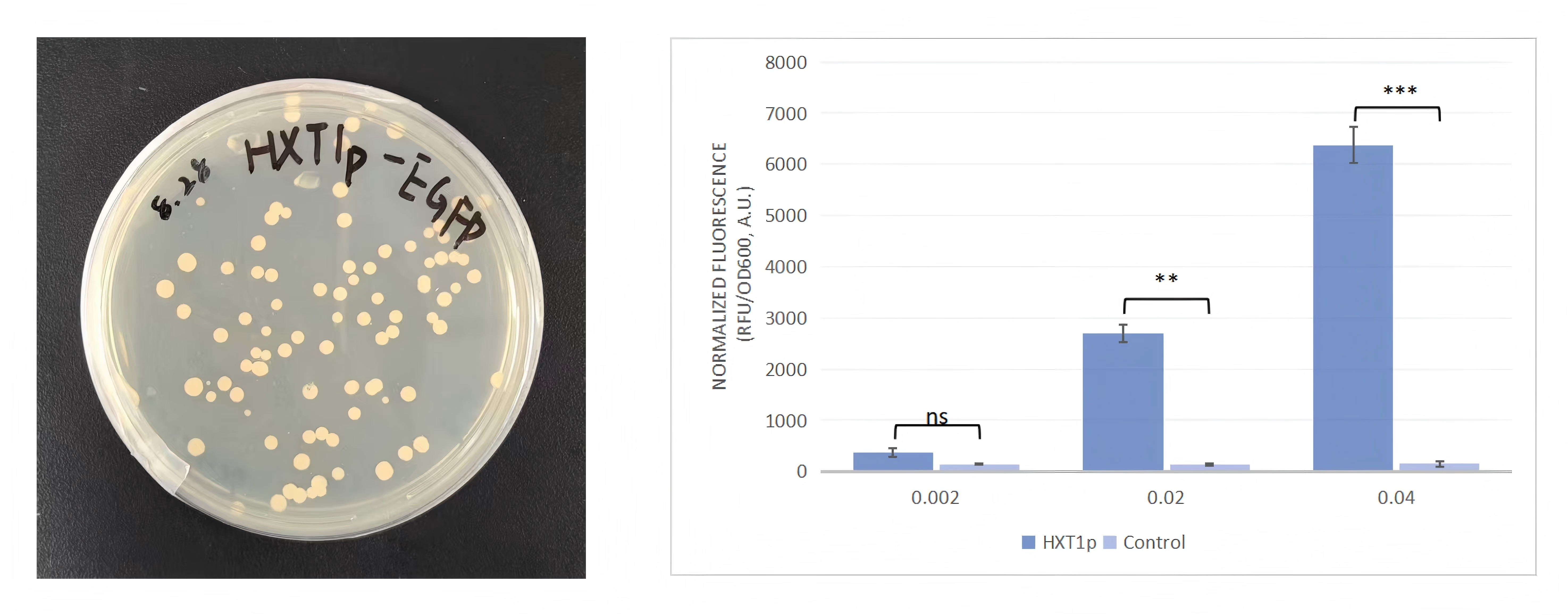
Initially, we aimed to directly detect the signals of microplastics. However, after conducting in-depth research, we discovered that in the currently known biological systems, there are almost no natural sensors that can specifically recognize PET. Therefore, we turned to search for indirect "feeding signals" and screened to find that the intensity and universality of the glucose signal were the highest. Based on this, we successfully obtained the high-affinity glucose transporter promoter HXT1. It can be activated in a high-sugar environment and is in a closed state in a low-sugar environment, perfectly meeting our design requirements.

(3) Design and Built

To verify the effectiveness of the P_HXT1 promoter as an "eating signal sensor", we continued to use green fluorescent protein as the reporter gene and designed a reporting circuit that responds to changes in glucose concentration: Ⅺ6up-P_HXT1-GFP-ADH1t-Ⅺ6dw.

img

Fig 8. Verification of promoter function construction(Temperature Sensor)

And the sequences were constructed using the same method, yeast was introduced, and the positive strains were screened out.

(4) Test

We conducted experiments to simulate the "fed" and "fasted" states, respectively culturing the engineered bacteria in media containing 2% and 0.1% glucose for a certain period of time. We quantitatively detected the GFP fluorescence intensity of the two groups of strains using an enzyme detector and conducted a comparative analysis to test the effect of the P_HXT1 promoter.

img

Fig 9. Construction of a Fluorescent Strain for Promoter Validation

(5) Learn

At this point, we have successfully identified "locations" in Cycle 2 and "times" in this current cycle. All the key input components are now in place. Next, we hope to connect these three independent signals and build a complete core control system.

Cycle 4:Control enzyme expression with ternary gates
(1) Research

In Cycle 2 and Cycle 3, we successfully verified two "location" signals of low oxygen and copper ions, as well as a "time" signal of glucose. Now, we aim to integrate these three independent signals while triggering the downstream output at the right time. To achieve this, we reviewed a large number of literature in the field of synthetic biology and found the following circuit design strategies:
a. Promoter concatenation/cascading: Link multiple regulatory elements in series to form a transcriptional unit that requires multiple activations to be turned on.
b. Recombinase logic gates: Use site-specific recombinases (such as Cre/LoxP, Flp/FRT) to irreversibly flip or remove DNA sequences to achieve logical judgments.
c. Transcription factor logic gates: Design complex protein interaction networks where multiple transcription factors need to act together to activate downstream genes.
d. CRISPR/dCas9 system: Utilize the modular characteristics of dCas9 protein and gRNA to separately control the expression of dCas9 and gRNA, achieving coordinated regulation of the target gene.

(2) Imagine

In order to achieve the goals in Research, the circuit should be able to integrate three signals - glucose, copper ions, and low oxygen - and generate a unified output, following a strict "AND gate" logic. Additionally, this design must possess excellent engineering characteristics: high modularity for easy iteration, low metabolic burden to ensure the health of the host, and system orthogonality to avoid interference with the cell's own functions. Based on these criteria, we compared various designs found in the Research stage and ultimately decided to adopt the CRISPR/dCas9-based system to construct our logic gate.

(3) Design and Build

According to the project requirements, we further referred to the paper[7] , designed and constructed the following circuit: We connected the dcas9 binding protein gene downstream of the glucose-sensitive promoter HXT1, the scRNA sequence downstream of the copper-ion-sensitive promoter CUP1, and the MCP-VP64 gene downstream of the hypoxia-sensitive promoter. When the three downstream elements are expressed simultaneously, they will assemble to promote the expression of the degradation protein.

img

Fig 10. Three-input AND gate regulation

(4) Test

In this round of iteration, we mainly referred to Hofmann et al.'s 2019 paper to test our circuit. Compared to the original circuit, we specifically expressed scRNA and replaced the required three promoters[7]. While they successfully constructed a dual-input "AND gate" based on CRISPR/dCas9; and through experimental data and ROC curve analysis, they proved the rigor of the system; and also demonstrated the modular design. Therefore, the research results of this paper provided a solid "proof of concept" for our "ternary AND gate", proved the feasibility of the circuit design, and met our expectations for the rigor and low leakage of the system in the Imagine stage.

(5) Learn

After this round of iteration, we successfully designed a highly specific three-input "AND gate" that can precisely respond to "time" and "location" signals. However, how to further optimize and upgrade the circuitry towards the ultimate goal - the expression of the degrading enzyme - still requires further research.

Cycle 5: Group sensing signal
(1) Research

In Cycle 4, we successfully designed the "ternary gate" and achieved the expression of degradation enzymes to be activated at specific times and locations. Further, we aimed to focus on "how many cells are working" to improve the secretion efficiency of the enzymes and amplify the upstream signal. Therefore, we conducted a new round of literature research and discovered the following possible approaches:

  • Metabolic load sensor: A line that can sense the internal metabolic state of the cell (such as ATP level) and regulate protein expression through feedback.
  • Stage-dependent promoters: Promoters that are activated only at specific stages of cell growth (such as the stationary phase).
  • Quorum sensing system: A "communication" system used by microorganisms to sense the density of their own population and coordinate group behavior. In Saccharomyces cerevisiae, this system based on pheromones (α-factor) has been studied very thoroughly.

(2) Imagine

We hope that the optimization strategy we adopt can achieve the goal of reducing the early metabolic burden and regulate expression based on the population density. Therefore, we compared various optimization approaches during the Research stage: the metabolic load sensor can only passively protect itself; while the growth stage-dependent promoters are interfered by the complex intestinal environment. However, population sensing directly focuses on the "size and density" of the population, which can meet the requirements of improving efficiency and amplifying signals. Thus, we decided to use the population sensing signal for regulation.

(3) Design and Build

Based on the ideas in Imagine, we reviewed the relevant papers on group sensing and discovered a group sensing circuit based on positive feedback[9]. Therefore, we modified it based on this and connected the degrading enzymes Fastpetase and MHETase_W397A to the downstream of the core promoter FUS1p of the group sensing pathway, achieving group sensing regulation.

img

Fig 11. Quorum sensing in Saccharomyces cerevisiae[8]

(4) Test

To demonstrate the effectiveness of the group communication signal pathway, we constructed and verified it based on the establishment of a series of chemical reaction equations and differential equations. Firstly, we investigated how the extracellular α pheromone binds to the Ste2 receptor. We also used the Autodock software to dock the α factor and the receptor of the Ste2 signaling pathway, and selected the optimal model for visualization in PyMOL, as shown in the figure. The binding energy is -6.7 kcal/mol.

img

Fig 12. Molecular docking results between Ste2 and α factor

Furthermore, we demonstrated that the Ste5 scaffold protein activates a series of cascade reactions (MAPK kinase chain) within the cell. The final product of this process activates the transcription factor Ste12, thereby prompting the cell to produce more α pheromones, forming a positive feedback loop that amplifies the signal. Through mathematical modeling, it was shown that the quorum sensing system can effectively function, enabling efficient expression of enzymes and signal amplification.

(5) learn

After this round of iteration, we obtained the "group effect" module, which further optimized the expression of the enzyme. This naturally led to the next engineering challenge: How to ingeniously connect these two modules to achieve complete expression regulation?

Cycle 6: Logic gate refactoring and system integration
(1) Research

We intend to use the "active" AND gate of Cycle 4 to control the "group sensing" switch of Cycle 5. Therefore, we reviewed the literature and noticed a key gene: BAR1. This gene encodes an enzyme that degrades and removes the α-factor pheromone, rendering the group sensing signal ineffective. In the lines we referred to, the BAR1 gene also needs to be knocked out to ensure the effective accumulation of the signal.

(2) Imagine

Taking the BAR1 gene as the breakthrough point, we discovered that: since its expression would render the group communication signal ineffective, then by inhibiting its expression, we could activate the group communication system. Based on this, if we replace the activation signal of the AND gate with an inhibitory signal and connect it to BAR1, we can control the downstream group communication system.

(3) Design and Build

Based on the concept in Imagine, we first replaced the activating MCP-VP64 expression box in the original circuit with a repressive MCP-MXI1 expression box; then we precisely designed the scRNA target on the promoter BAR1p of the BAR1 gene. Thus, we achieved control of the quorum sensing system through a ternary AND gate and formed the final circuit.

img

Fig 13. The tri-functional AND gate targeting the BAR1 gene

At the construction level, we completed the design and optimization of the final circuit through in silico methods.

(4) Test

Firstly, through motif scanning on MXI1, we identified potential SID sites that might recruit SIN3. Subsequently, using protein interaction networks, we linked MXI1-SIN3B-HDAC1 into a known deacetylation inhibition axis. Genome-wide occupancy analysis revealed that this complex was highly enriched in the vicinity of the promoter and was accompanied by a significant enrichment of active acetylation marks (H3K27ac), suggesting that MXI1-SIN3B-HDAC1 is not located at silent gene loci but is targeted to active promoters to negatively fine-tune/transcribe output, thereby supporting the inhibitory effect of MXI1. (Fig.16.)

img

Fig 14. Modeling results of MXI inhibitory effect

(5) Learn

This round of the cycle achieved a crucial "logic gate reconfiguration", which not only solved the problem of module connection but also realized the coordinated regulation of three dimensions: time, location, and population density. The successive engineering cycles continuously optimized based on the degradation of microplastics, ultimately providing a solution that balances precision, efficiency, and robustness.
In the future, we will further test and optimize the degradation of microplastics, including increasing the linker to enhance the activity of the degradation enzyme, conducting wet experiments to further verify the circuit design, and verifying its comprehensive performance in a simulated intestinal environment, etc.

References
  • 1. de Souza Machado AA, Kloas W, Zarfl C, Hempel S, Rillig MC. Microplastics as an emerging threat to terrestrial ecosystems. Glob Chang Biol. 2018;24(4):1405-1416. doi:10.1111/gcb.14020
  • 2. Leslie HA, van Velzen MJM, Brandsma SH, Vethaak AD, Garcia-Vallejo JJ, Lamoree MH. Discovery and quantification of plastic particle pollution in human blood. Environ Int. 2022;163:107199. doi:10.1016/j.envint.2022.107199
  • 3. Burgin T, Pollard BC, Knott BC, et al. The reaction mechanism of the Ideonella sakaiensis PETase enzyme. Commun Chem. 2024;7(1):65. Published 2024 Mar 27. doi:10.1038/s42004-024-01154-x
  • 4. Structure of the plastic-degrading Ideonella sakaiensis MHETase bound to a substrate
  • 5. Lu H, Diaz DJ, Czarnecki NJ, et al. Machine learning-aided engineering of hydrolases for PET depolymerization. Nature. 2022;604(7907):662-667. doi:10.1038/s41586-022-04599-z
  • 6. Yoshida S, Hiraga K, Takehana T, et al. A bacterium that degrades and assimilates poly(ethylene terephthalate). Science. 2016;351(6278):1196-1199. doi:10.1126/science.aad6359
  • 7. Hofmann A, Falk J, Prangemeier T, et al. A tightly regulated and adjustable CRISPR-dCas9 based AND gate in yeast. Nucleic Acids Res. 2019;47(1):509-520. doi:10.1093/nar/gky1191
  • 8. Williams TC, Nielsen LK, Vickers CE. Engineered quorum sensing using pheromone-mediated cell-to-cell communication in Saccharomyces cerevisiae. ACS Synth Biol. 2013;2(3):136-149. doi:10.1021/sb300110b
  • 9. Chen Z, Duan R, Xiao Y, et al. Biodegradation of highly crystallized poly(ethylene terephthalate) through cell surface codisplay of bacterial PETase and hydrophobin. Nat Commun. 2022;13(1):7138. Published 2022 Nov 21. doi:10.1038/s41467-022-34908-z
Engineering
Cycle 1: A new perspective for enhanced degradation-adsorption
Cycle 2: Exploration of the Orthogonality of Degradation Adsorption
Cycle 3: The optimization direction of the surface display system
Cycle 4: The adsorption effect of symbiotic system colonization
References
Cycle 1: A new perspective for enhanced degradation-adsorption
(1) Research

We continued our literature search and found that adsorbing PET has the potential to further enhance degradation. Current research has utilized hydrophobins to enhance the adsorption effect. The methods described in the literature all involve the co-secretion or co-display on the surface with degradation enzymes[1].

(2) Imagine

We believe that by using surface display technology combined with excreted degrading enzymes, we can also achieve an enhanced degradation effect. This is our unique innovation compared to other methods!

(3) Design and Build

We employed the traditional yeast surface display technology - using the α-agglutinin of Saccharomyces cerevisiae - to construct a fusion protein that can adsorb PET and has the function of surface display technology. Saccharomyces cerevisiae constitutively expresses Aga1, which can bind to the Aga2 functional domain in the fusion protein and secrete it as cell display. Initially, we controlled this process through the high expression of the constitutive promoter PTEF. Additionally, we selected a flexible linker (GGGGS)n to connect the key protein domains, and we tested how to determine the length of the linker.

img

Fig 1. HFBI fusion protein gene map

img

Fig 2. HFBI fusion protein expressing process

(4) Test

We conducted a preliminary prediction on the Alphafold Server. We found that the length of Linker2 had little impact on the prediction of V5 epitope, while the length of Linker1 had a significant effect on the structure of the HFBI and Aga2 functional domains. Therefore, we chose to test with different Linker1 lengths: (GGGGS)3, (GGGGS)5, and (GGGGS)8. They were numbered as 3_1, 5_1, and 8_1 respectively.

img

Fig 3. HFBI fusion proteins with different linker lengths

We conducted transmembrane domain and hydrophobicity score analyses on the three fusion protein structures. The results initially demonstrated that the fusion proteins could be successfully displayed on the surface and that the hydrophobicity of the HFBI functional domain was good.

img

Fig 4. HFBI fusion protein transmembrane and hydrophobicity analysis

Based on this, we compared the structures of the active domains to preliminarily verify the structural fidelity. We used two key monomeric proteins and fusion proteins for docking. The smaller the RMSD result obtained, the better.

img

Fig 5. The structure of key functional domains of fusion proteins

img

Fig 6. Verification of the structural fidelity of fusion proteins

Next, we conducted a docking between the fusion protein and PET. The binding energies obtained were all within the expected range. The larger the absolute value of the binding energy, the better the affinity.

img

Fig 7. Fusion protein and PET docking site and binding energy

(5) Learn

After an initial analysis, we concluded that all three designs were feasible. To highlight the differences, we chose 3_1 and 8_1 for constructing plasmids for the experiments.

Cycle 2: Exploration of the Orthogonality of Degradation Adsorption
(1) Research

Before conducting the route design, we had already taken into account the impact of the metabolic toxicity of the chassis bacteria. We plan to reduce the metabolic toxicity by adjusting different control conditions of the engineering route and minimizing the constitutive expression.

(2) Imagine

Is there a dynamic regulatory system that can control the expression of the adsorption module?

(3) Design and Build

In the experiment, we learned about the "Pgal1+Δgal80" strategy. Under high glucose conditions, the expression of downstream genes controlled by this dynamic regulatory system is inhibited, and at this time, yeast energy is used for growth. While under low glucose conditions, the downstream genes are induced to express, and this process has a temporal sequence[2].Furthermore, we discovered that this dynamic regulatory system forms an orthogonal relationship with the PHXT-1 promoter of our degradation module. PHXT-1 responds to feeding signals and induces the expression of downstream genes under high glucose conditions.

img

Fig 8. Pgal1/Δgal80 dynamic regulation system

(4) Test

So, based on our imagination, we constructed the following plasmid transformation yeast, and conducted an adsorption verification experiment after co-fermentation with microplastics. In both immunofluorescence and transmission electron microscopy, the desired results were observed.

(5) Learn
img

Fig 9. Pgal1/Δgal80 dynamic regulation system

Since the Saccharomyces cerevisiae itself can express Aga1, but its basal expression level may not be high, resulting in poor surface display effect, we decided to enhance the expression by co-integrating Aga1 into a plasmid to improve the expected surface display effect. We used the Pgal1,10 bidirectional promoter to control Aga1 and the fusion protein part separately. Moreover, in the laboratory, we successfully obtained the Aga1 fragment in the genome through PCR, linearized the plasmid containing the HFBI-Aga2 fusion protein,and will proceed with a further cloning step to enhance the expression of Aga1.

Cycle 3: The optimization direction of the surface display system
(1) Research

In addition to the optimization strategy of enhancing Aga1 expression by using the Pgal1,10 bidirectional promoter, we also learned that the surface display system applied to Saccharomyces cerevisiae is very diverse. Although only α-agglutinin has been applied to HFBI, we still want to enrich the application of the surface display system in the future.

(2) Imagine

Although we have achieved good surface display results using α-agglutinin, can we achieve even better results through other surface display systems, and can the process be presented more concisely?

(3) Design and Build

Our Aga1 is not the entire protein that is used for attaching to the surface of the yeast cell membrane, as shown in our schematic diagram. The amino acids from 150 to 725 act as the anchor protein. We hypothesize that directly displaying HFBI through the anchor protein might be a better approach. Therefore, we designed and constructed a new surface display system.

img

Fig 10. The surface display system of utilizing GPI

(4) Test

We conducted a literature search to preliminarily explore the feasibility. We found that this surface display method was more effective than α-agglutinin for other target proteins. The article also compared various types of GPI and demonstrated the great potential of this display method.

img

Fig 11. The surface display system of utilizing GPI[3]

(5) Learn

The results in the literature have greatly boosted our confidence for future experiments. Additionally, the literature also proposed a method applicable to the surface display system. We plan to conduct preliminary dry experiments to narrow down the range of GPI types first. At the same time, we will use online software such as Signalp to screen different signal peptides. Finally, we will construct plasmids for experiments, thus forming another engineering cycle.

img

Fig 12. Surface display of the system's signal peptide selection[4]

Cycle 4: The adsorption effect of symbiotic system colonization
(1) Research

After optimizing the adsorption capacity of the engineered yeast, we encountered a core challenge: how to ensure that it can function stably and persistently in the complex intestinal environment. Through literature research, we discovered that microorganisms often form multi-species biofilms through co-aggregation in nature to enhance their survival advantages. This strategy not only enhances their resistance to environmental stress but also facilitates colonization in specific ecological niches (such as intestinal mucosa).

(2) Imagine

We envision that an ideal symbiotic partner for engineered yeast can be identified. This strain would be able to aggregate with the yeast to enhance intestinal colonization, and also work in tandem with us to accomplish the task of adsorbing microplastics.

(3) Design and Build

By reviewing the literature, we focused our attention on Lactobacillus bacteria. A large number of studies have confirmed that specific Lactobacillus strains can form co-aggregation with Saccharomyces cerevisiae. Among them, the mannose-specific adhesin (Msa) on the surface of Lactiplantibacillus plantarum can specifically bind to the mannoprotein on the yeast cell wall, forming a stable physical connection.

img

Fig 13. Synergistic adsorption in a symbiotic system

The adhesive ability of Lactobacillus plantarum to intestinal mucosal cells is a key aspect in exerting its probiotic effects. Probiotics attach to the intestinal mucosal cells, thereby preventing the penetration of harmful microorganisms and toxins, and play an important role in enhancing the intestinal barrier function. Moreover, they can compete with potential pathogens for nutrients and living space, disrupt the biofilm of pathogenic bacteria, and hinder the colonization of harmful bacteria[5].Researchers identified a collagen-binding protein from Lactobacillus plantarum. This protein not only promotes adhesion but also inhibits the adhesion of Escherichia coli O157:H7 to extracellular matrix components[6]. Furthermore, through adhesion and interaction with intestinal mucosal cells, probiotics help maintain the immune balance within the intestinal tract[7]. The elongation factor Tu is a cell surface-related protein that has been shown to interact with fibronectin on intestinal epithelial cells. It may play a role in intestinal immunity and homeostasis by inhibiting cell apoptosis[8].Lactobacillus plantarum can also enhance its adhesion ability to the intestinal mucosa by sensing unknown intestinal signals and relieving the inhibition of transcription factor MbpR on the adhesion protein genes.

img

Fig 14. The key regulatory mechanism for achieving intestinal adhesion

More importantly, we discovered a strain named Lactobacillus plantarum DT88. This strain not only has the potential to aggregate with yeast, but also demonstrates a strong ability to adsorb microplastics on its own[9]. Therefore, we constructed a dual-bacterial symbiotic system consisting of engineered Saccharomyces cerevisiae and Lactobacillus plantarum DT88, aiming to leverage the synergistic effects of the two organisms to achieve a "1 + 1 > 2" colonization and adsorption outcome.

(4) Test

After envisioning the dual-bacteria symbiotic system, we conducted further literature research to assess the potential shortcomings of this strategy. We found that although co-culture theoretically has advantages, it faces challenges in practical applications:
Internal stability and competitive relationship: Under ideal laboratory conditions, yeast and lactobacillus can exhibit mutualistic symbiosis. However, in the dynamic and complex intestinal microenvironment, the relationship between the two may become unstable and even turn into a competitive relationship, causing one of the organisms to be eliminated, thereby rendering the entire system ineffective.

(5) Learn

In response to these challenges, we once again turned to the literature to seek innovative solutions to optimize our symbiotic system:
Utilize "postbiotics": To avoid the instability risk of live bacteria in the body, a more advanced strategy is to use "postbiotics" or "paraprobiotics", which involve the use of inactivated probiotic cells or their metabolites. Studies have shown that even inactivated bacteria or their cellular components retain most of their biological activity, such as immune regulation and adsorption[10].This method not only ensures the stability and safety of the product, but also avoids the uncertainty of viable bacteria colonization. It provides another highly promising optimization path for our project.

References
  • 1. Chen Z, Duan R, Xiao Y, et al. Biodegradation of highly crystallized poly(ethylene terephthalate) through cell surface codisplay of bacterial PETase and hydrophobin. Nat Commun. 2022;13(1):7138. Published 2022 Nov 21. doi:10.1038/s41467-022-34908-z
  • 2. Deng J, Wu Y, Zheng Z, et al. A synthetic promoter system for well-controlled protein expression with different carbon sources in Saccharomyces cerevisiae. Microb Cell Fact. 2021;20(1):202. Published 2021 Oct 18. doi:10.1186/s12934-021-01691-3
  • 3. Yang X, Tang H, Song M, Shen Y, Hou J, Bao X. Development of novel surface display platforms for anchoring heterologous proteins in Saccharomyces cerevisiae. Microb Cell Fact. 2019;18(1):85. Published 2019 May 18. doi:10.1186/s12934-019-1133-x
  • 4. O'Riordan NM, Jurić V, O'Neill SK, Roche AP, Young PW. A Yeast Modular Cloning (MoClo) Toolkit Expansion for Optimization of Heterologous Protein Secretion and Surface Display in Saccharomyces cerevisiae. ACS Synth Biol. 2024;13(4):1246-1258. doi:10.1021/acssynbio.3c00743
  • 5. Wang, J., Y. Zeng, S. Wang, H. Liu, D. Zhang, W. Zhang, Y. Wang, and H. Ji. 2018. Swine-derived probiotic Lactobacillus plantarum inhibits growth and adhesion of enterotoxigenic Escherichia Coli and mediates host defense. Frontiers in Microbiology 9:1364. doi: 10.3389/fmicb.2018.01364.
  • 6. Yadav, A. K., A. Tyagi, J. K. Kaushik, A. C. Saklani, S. Grover, and V. K. Batish. 2013. Role of surface layer collagen binding protein from indigenous Lactobacillus plantarum 91 in adhesion and its anti-adhesion potential against gut pathogen. Microbiological Research 168 (10):639–45. doi: 10.1016/j.micres.2013.05.003.
  • 7. Santarmaki, V., Y. Kourkoutas, G. Zoumpopoulou, E. Mavrogonatou, M. Kiourtzidis, N. Chorianopoulos, C. Tassou, E. Tsakalidou, C. Simopoulos, and P. Ypsilantis. 2017. Survival, intestinal mucosa adhesion, and immunomodulatory potential of Lactobacillus plantarum strains. Current Microbiology 74 (9):1061–7. doi: 10.1007/s00284-017-1285-z.
  • 8. Du, Y., H. Li, W. Xu, X. Hu, T. Wu, and J. Chen. 2023. Cell surface-associated protein elongation factor tu interacts with fibronectin mediating the adhesion of Lactobacillus plantarum HC-2 to penaeus vannamei intestinal epithelium and inhibiting the apoptosis induced by LPS and pathogen in Caco-2 cells. International Journal of Biological Macromolecules 224 (January):32–47. doi: 10.1016/j.ijbiomac.2022.11.252.
  • 9. O'Riordan NM, Jurić V, O'Neill SK, Roche AP, Young PW. A Yeast Modular Cloning (MoClo) Toolkit Expansion for Optimization of Heterologous Protein Secretion and Surface Display in Saccharomyces cerevisiae. ACS Synth Biol. 2024;13(4):1246-1258. doi:10.1021/acssynbio.3c00743
  • 10. Batista VL, da Silva TF, de Jesus LCL, et al. Probiotics, Prebiotics, Synbiotics, and Paraprobiotics as a Therapeutic Alternative for Intestinal Mucositis.Front Microbiol. 2020;11:544490. Published 2020 Sep 17. doi:10.3389/fmicb.2020.544490
Engineering
Cycle 1: Investigate the main hazards of microplastics to the human body
Cycle 2: Search for therapeutic elements - Antioxidants
Cycle 3: Search for therapeutic elements - anti-inflammatory
Cycle 4: ROS-Responsive Promoter Design
Cycle 5: How can the joint control of anti-inflammation and anti-oxidation be achieved
Cycle 6: The auxiliary role of symbiotic systems in treatment
References
Cycle 1: Investigate the main hazards of microplastics to the human body
(1) Research

Initially, we assumed that microplastics mainly caused physical damage. However, through research and preliminary experiments, it was discovered that oxidative stress and inflammatory responses were the key pathogenic mechanisms. This refuted our initial assumption of only considering physical damage. Therefore, we turned to intervention at the molecular mechanism level. We investigated the most common harmful diseases caused by microplastics in the human intestinal tract. Currently, PET has not found any diseases that are significantly related to specific diseases. Among them, inflammatory bowel disease (IBD) has the most active research on the association with microplastic exposure and has been proven to have a certain correlation. Additionally, microplastics can also cause dysregulation of the intestinal microbiota and damage to the intestinal barrier function[1-3].

(2) Imagine

In addition to literature review, we aim to identify the targets of microplastics causing intestinal diseases through bioinformatics methods for the purpose of designing treatments. We plan to start with IBD, a common disease.

(3) Design and Build

The students in the modeling group came up with specific plans for target identification:
a. Data collection and intersection with targets.
b. Construction of protein networks and screening of core nodes.
c. Multi-dimensional functional enrichment and verification.
d. Final determination through machine learning algorithms.
The specific methods are presented in the Test section.

(5) Data collection and intersection with the target

Firstly, the researchers established two independent gene databases. One was for PET microplastics, where potential targets that might interact with it were comprehensively collected from multiple databases such as PubChem, CHEMBL, and STITCH based on the SMILES chemical encoding of its main degradation products. The other was for inflammatory bowel disease (IBD), where a group of genes with the highest association with IBD were selected from disease databases such as GeneCards and OMIM. By taking the intersection of these two large databases, the "common targets" that were related to both PET microplastics and IBD were finally identified. This step ensured that the targets for the subsequent analysis had dual correlations.

img

Fig 1. The search for cross-targets between PET and IBD

(6) Protein network construction and core node selection

Just having a list of genes is not enough, because genes usually work together through complex networks. Researchers used the STRING database to construct a protein-protein interaction (PPI) network based on the common targets from the previous step. Subsequently, this network was imported into the Cytoscape software for visual analysis.
The researchers employed two complementary algorithms to identify the key genes in the network:
a. CytoHubba_MCC algorithm: This is used to find the nodes with the most connections and located in the "central hub" position. This method can directly identify the proteins that play a key role in information transmission.
b. MCODE plugin: This is used to discover the most densely connected "functional modules" or protein clusters in the network. This helps to identify the protein groups that collaborate to perform specific functions in the cell.

img

Fig 2. Protein interaction network results

(7) Multidimensional functional enrichment and validation

To understand the specific biological functions of these core genes, the researchers conducted Gene Ontology (GO) and KEGG pathway enrichment analyses. The results showed that these genes were highly enriched in biological processes such as "inflammatory response" and "immune response", which are highly relevant to the pathology of IBD, and were closely related to important signaling pathways such as PI3K-Akt and Jak-STAT.

img

Fig 3. Metabolic pathway analysis

To verify whether PET can directly act on these targets at the physical level, we conducted molecular docking and molecular dynamics simulation tests. The results showed that the binding energies of PET to proteins such as JAK2, IL2, and TGFBR2 were negative, which proved in physics that there is a stable and spontaneous binding between them.

img

Fig 4. PET and three target molecules docking

(8) The machine learning algorithm is finally locked

After going through the above multiple rounds of screening and verification, a series of machine learning algorithms (including LASSO regression, SVM-RFE, boruta and XGBoost) were finally employed for the final and most rigorous screening. These algorithms further evaluated the importance of each gene from a statistical perspective, and ultimately precisely identified the three core targets: JAK2, IL2 and TGFBR2.

img

Fig 5. Machine learning screening

(9) Localization of pathogenic function of the target

JAK2: It belongs to non-receptor tyrosine kinases. The accumulation of ROS can directly activate JAK2, making it an important upstream trigger point in the inflammatory cascade.
IL2: T-cell growth factor, over-activation is associated with immune dysregulation and abnormal T-cell proliferation in IBD.
TGFBR2: A key receptor of the TGF-β signaling pathway, regulating cell proliferation, differentiation, and tissue repair. Its abnormality may lead to failure of intestinal epithelial repair or a tendency towards fibrosis.

(1) Learn

We have identified three therapeutic targets for the harm caused by microplastics to the human body. In the future, when we are searching for therapeutic components, we will pay particular attention to their relationship with the target sites.

Cycle 2: Search for therapeutic elements - Antioxidants
(2) Research

Firstly, we address the issue from the first aspect of microplastics causing disease - oxidative stress. Research indicates that reactive oxygen species (ROS) play a significant role in the pathogenesis of inflammatory bowel disease. Superoxide anion (O₂⁻) and hydrogen peroxide (H₂O₂) are two core types of ROS. The accumulation of ROS can directly activate the JAK2 pathway and trigger an inflammatory cascade reaction. Therefore, eliminating ROS is a key strategy for inhibiting inflammation induced by microplastics.

(3) Imagine

Can we establish a "cohesive" antioxidant regulatory system to rapidly eliminate ROS at the source and achieve antioxidant stress response? Does the molecular mechanism layer have any effect on the targets we are exploring?

(4) Design and Build

There are two key enzymes that play a dominant role in the removal of ROS:
a. SOD1: Converts O₂⁻ into H₂O₂;
b. CTT1: Further decomposes H₂O₂ into water and oxygen.
Theoretically, the cascade reaction formed by these two enzymes can efficiently remove ROS.

img

Fig 6. The function of the antioxidant module

(5) Test

After reviewing the literature, SOD1 and CTT1 were found to be capable of performing their intended functions in our chassis - Saccharomyces cerevisiae. Therefore, we selected these two genes as the effect modules and designed a dual-enzyme expression pathway to enable the engineered bacteria to possess systematic antioxidant capabilities.
In terms of the molecular mechanism, this antioxidant component directly eliminates reactive oxygen species (ROS) to block the activation of JAK2 at the source, achieving direct intervention in the downstream inflammation[22][23].

(6) Learn

The team realized that the antioxidant module can precisely address the "downstream trigger point" of ROS → JAK2, but the inflammatory network is complex, and relying on a single module is not sufficient to completely inhibit the pathological process. Oxidative stress is merely a "trigger", not the sole effector. Once the inflammatory pathway is activated, merely removing the trigger factor is not enough to stop the pathological progression. This discovery prompted the project to shift to a more comprehensive treatment approach - in addition to the antioxidant module, functional modules such as immune regulation and tissue repair need to be added.
Furthermore, model analysis and literature comparison indicate that this system can indeed significantly clear ROS and directly block the activation of JAK2 in theory. However, there is a fundamental defect: it can only eliminate the initial oxidative signal, but cannot inhibit the downstream inflammatory cascade reaction triggered by ROS. This deserves our team to continue to think about optimization strategies.

Cycle 3: Search for therapeutic elements - anti-inflammatory
(1) Research

The team first realized that direct intervention in the inflammation itself was necessary to solve the problem. Thus, they embarked on in-depth research on the core signaling pathways of the host immune system (such as JAK2, IL-2, and TGFBR2). By analyzing the mechanisms of these pathways, the team realized that they were key nodes regulating the immune system, and theoretically, the inflammation could be controlled through external factors.

(2) Imagine

Based on this understanding, the team proposed an ambitious idea:
Utilizing the synthetic biology pathways of engineered bacteria, to secrete inhibitors or agonists, to "remote control" the functions of the host immune cells from the outside, directly acting on the JAK2, IL-2 and TGFBR2 pathways, in order to achieve precise control of inflammation.

(3) Design and Build

During the specific design and analysis phase, the team decisively rejected this approach. The reason was as follows: These host immune pathways are extremely complex and mainly function within the host immune cells; engineered microorganisms (such as yeast) are difficult to stably, safely and precisely directly regulate them; directly interfering with key kinases such as JAK2 might cause unforeseeable off-target effects on systemic functions such as hematopoiesis and immune surveillance; and there are significant risks in terms of biological safety.
Therefore, the team shifted its focus from "Is it technically possible?" to "Is it functionally safe and controllable?". This strategic retreat avoided the high-risk dead end. Subsequently, the team shifted to designing new solutions, seeking molecules that could the organization's repair and stabilization recovery. Eventually, Trefoil Factor 3 (TFF3) was identified as the ideal effector factor.

(4) Test

The team further analyzed the mechanism of action of TFF3:
Promoting epithelial repair: Activating the JAK2/STAT3 pathway in intestinal epithelial cells in a local manner, promoting mucosal healing and recovery of barrier function.
Actively inhibiting inflammation: Reducing key pro-inflammatory cytokines (such as TNF-α, IL-1β) in the inflammatory microenvironment, and weakening the excessive activation of IL-2 and TGFBR2-related signals.
This dual function ensures both local and controllable efficacy, meeting safety requirements[6].

(5) Learn

Through this cycle, the team learned that:
Direct intervention in the core host immune pathways is an unbridgeable red line because it is unpredictable and high-risk;
Strategically giving up high-risk solutions and instead adopting more indirect and safer mechanisms reflects engineering wisdom and a high sense of responsibility for biological safety;
Ultimately, the team established the "antioxidation + mucosal repair" strategy to replace the direct blocking of inflammation, thereby achieving the anti-inflammatory goal.

Cycle 4: ROS-Responsive Promoter Design
(1) Research

In the inflammatory environment of the human intestinal tract, a large amount of reactive oxygen species (ROS) accumulate, driving epithelial damage and inflammatory cascade reactions. We need a regulatory element that can precisely sense ROS signals as a molecular switch for the therapeutic pathway, so as to achieve the expression of conditionally induced anti-inflammatory factors.

(2) Imagine

The literature indicates that the transcription factors Yap1 and Skn7 in Saccharomyces cerevisiae are key regulatory elements for sensing ROS:
Yap1: Highly sensitive to ROS such as hydrogen peroxide, and can serve as the main sensing module;
Skn7: Provides an auxiliary function, and can enhance the stability and intensity of the response;Synergistic effect: When Yap1 and Skn7 synergistically bind to the promoter, they can significantly increase the gene expression level and accelerate the response speed.
Therefore, we hypothesize that the natural ROS-responsive promoter regulated by the synergistic control of Yap1 and Skn7 can be used as a candidate regulatory tool.

(3) Design and Build

Based on the regulatory mechanism of Yap1/Skn7, we have identified three types of naturally existing promoters in yeast:
pGSH1 (glutathione synthetase promoter): contains multiple Yap1 binding sites;
pTRX2 (thioredoxin reductase promoter): contains Yap1 sites and Skn7 elements;
pGPX2 (glutathione peroxidase promoter): contains Yap1 sites and Skn7 elements, and can simultaneously sense ROS and inflammation-related oxidative signals.
These candidate promoters can all respond to oxidative stress signals, but there are differences in their activation intensity, response speed, and background leakage.

We conducted a literature review and comparative analysis of the three types of promoters[25]

img

Table 1. Oxidative stress promoter selection

After comprehensive analysis, pGPX2 stood out:
Low background expression → Avoid energy waste and side effects during non-inflammatory states;
High induction intensity → Capable of rapidly producing sufficient therapeutic proteins during inflammatory outbreaks;
Fast response → Exhibits a faster response speed to ROS and inflammatory signals compared to other promoters;
Broad response spectrum → Covers ROS and a wider range of inflammatory-related oxidative signals.
Therefore, the pGPX2 promoter has been confirmed as the optimal ROS-responsive regulatory tool, constituting the core component of our treatment line design.
Based on the literature, we found the pGPX2 promoter from the yeast genome, located upstream of the GPX2 CDS fragment (-709/+7).

img

Fig 7. GPX2 promoter gene map

(4) Learn

We confirmed that pGPX2 is the optimal ROS-responsive promoter, capable of achieving low background, high intensity, and rapid response characteristics in an inflammatory environment, providing a reliable "molecular switch" for the therapeutic pathway. However, in the subsequent design process, when we attempted to place SOD1, CTT1, and TFF3 under three separate pGPX2 promoters respectively, new challenges emerged:
Metabolic burden: Multiple parallel pathways would significantly increase energy consumption;
Expression incoordination: Even relying on the same promoters, the dynamics of the three pathways are difficult to be completely consistent;
Uncontrollable dose ratio: The production of the three proteins is difficult to maintain a stable stoichiometric ratio, thereby weakening the synergistic effect.
Therefore, the team realized that the selection of a single high-quality promoter is only the first step. The more crucial issue lies in how to achieve safe, efficient, and coordinated expression of multiple proteins within the same pathway. This thinking directly led to the next round of iteration (Cycle 5): how to achieve the joint control of the anti-inflammatory and antioxidant modules.

Cycle 5: How can the joint control of anti-inflammation and anti-oxidation be achieved
(1) Research

After identifying the final three effect proteins, SOD1, CTT1 and TFF3, the team needed to address a key issue:
How to rationally express these proteins in the engineered bacteria to maximize their synergistic effect?
The research found that if each protein was driven by an independent expression pathway, it would cause excessive metabolic burden; if the expression was not synchronized, it would be difficult to ensure the precise stoichiometric ratio; and this would further weaken the synergistic therapeutic effect of the three proteins.

(2) Imagine

Based on this, the team envisioned giving up the "parallel scheme" of multiple independent lines and instead attempting a more efficient and integrated approach:
Integrate multiple effector proteins into a single line to ensure their synchronous expression, thereby enhancing the robustness and safety of the system.

(3) Design and Build

The team finally constructed a single-line multi-module design: GPX2 → NCW2-SOD1 → P2A → NCW2-TFF3 → T2A → NCW2-CTT1.
The key design points include:
Promoter (GPX2): Only drives expression when inflammatory signals are present, ensuring the synchrony and spatiotemporal consistency of the three proteins.
2A self-cleavage peptide (P2A, T2A): Initially, an attempt was made to fuse the three proteins through a flexible linker, but analysis indicated that it would disrupt their three-dimensional structure and lead to functional loss. The team conducted literature research and adopted 2A self-cleavage peptides, enabling a single mRNA to generate three functionally independent proteins in a 1:1:1 ratio during translation, maintaining structural integrity while reducing metabolic burden.

img

Fig 8. The mechanism of action of 2A peptide[8]

Secretion signal peptide (NCW2): Add the NCW2 sequence before each protein, directing the product to be secreted outside the cell and ensuring its release as needed in the intestinal lumen[9].
By combining various elements, we have developed our treatment plan.

img

Fig 9. Treatment Module Diagram

(4) Test

In the scheme simulation and literature comparison, the team verified that the single promoter + 2A peptide strategy is feasible and has been widely applied in multi-protein systems; the 2A peptide can ensure a stable stoichiometric ratio and avoid functional loss caused by the fusion protein; the application of the secretion signal peptide NCW2 has been well reported in eukaryotic expression systems, and can reliably guide protein secretion.

img

Fig 10. Comparison of signal peptide efficiency[9]

Influences on heterologous protein secretion by accessory proteins linked to SPs with different properties. a) α-amylase secretion titer in the ref, △SPC1 and ΔSEC72 strains when using different SPs. The α-factor SP was used as a reference to compared with other 11 super-secreted SPs. b) Hydrophobicity of SPs determined α-amylase secretion change tendency (increase or decrease) in the ΔSEC72 strain. The secretion change was calculated as follow: (amylase secretion by the ΔSEC72 strain – amylase secretion by the ref strain)/(amylase secretion by the ref strain) × 100%. was used as the control strain. Data shown are mean values ±SDs of duplicates[27-28].

After the information was confirmed, we began the wet experiment work, which was divided into two parts: the construction of ΔSEC72 Saccharomyces cerevisiae and the construction and introduction of therapeutic genes. Preliminary laboratory results have been obtained at present.

img

Fig 11. Treatment module-related gene map

(5) Learn

Through this round of cycle, the team realized that a single-line multi-module design can significantly reduce genetic complexity and metabolic burden; using 2A self-cleaving peptides is the most elegant way to solve the problem of multi-protein co-expression, which is both efficient and reliable; in the iGEM project, engineering wisdom lies not only in "getting the proteins expressed", but also in how to express them safely, efficiently and coordinately to maximize the therapeutic synergy.

Cycle 6: The auxiliary role of symbiotic systems in treatment
(1) Research

After modeling and testing the engineered yeast with the integrated SOD1–TFF3–CTT1 gene circuit, we found that the performance of the single yeast treatment module still had limitations: although it had significant effects on ROS clearance (targeting the upstream signal of JAK2) and intestinal barrier repair (affecting the sustained activation of IL2), it was still insufficient in terms of the breadth of immune regulation and long-term stability maintenance. Moreover, from the literature comparison, it was also clear that there was a knowledge gap: this module had no known direct connection with the TGFBR2 signaling pathway.

(2) Imagine

In response to this performance gap, the team did not choose to continue stacking more complex circuits in yeast. Instead, they proposed a new idea: introducing a naturally immune-regulating partner that can complement the yeast; expanding the engineering goal from a single cell to a multi-microbial system, achieving a transition from molecular engineering to micro-ecosystem engineering.

(3) Design and Build

The design concept is to combine the precise elimination ability of engineered yeast with the broad-spectrum regulatory ability of probiotics to achieve coordinated intervention at both the upstream and downstream of the inflammatory signals.
a. The molecular circuitry of the yeast treatment module (precise elimination and repair)
The core of the engineered yeast is the condition-inducible therapeutic pathway, as described above: pGPX2 → NCW2-SOD1 → P2A → NCW2-TFF3 → T2A → NCW2-CTT1.
b. The natural immune regulation advantages of DT88 (broad-spectrum regulation and signal weakening)
The Lactobacillus plantarum DT88, as an auxiliary strain, compensates for the deficiencies of the yeast module at the ecological and signaling levels through its natural metabolic and cytokine regulatory capabilities:
Inhibiting pro-inflammatory factors:DT88 can significantly reduce the elevated levels of pro-inflammatory cytokines TNF-α, IL-6, and IL-1β in the microplastic-exposed mouse model, while simultaneously synergistically enhancing the production of anti-inflammatory factor IL-10.
Inhibiting co-stimulatory molecules: The symbiotic system has been proven to be able to reduce the expression of activation markers CD86 on the surface of monocytes.
Metabolic products anti-inflammatory: The short-chain fatty acids (SCFAs) produced by DT88, especially butyric acid, can inhibit the NF-κB signaling pathway in immune cells and epithelial cells, reducing the transcription of inflammatory factors at the nuclear level.

(4) Test

The objective of this section is to combine the evidence from the literature and the modeling results to verify whether the dual intervention of the symbiotic system can precisely act on the core target, and to focus on evaluating the micro-regulatory effect of DT88.
a. Immunomodulatory effects:
The co-culture system of Saccharomyces cerevisiae and Lactobacillus exhibits unique immunomodulatory properties, and its anti-inflammatory effect is significantly superior to that of a single strain[10]. This synergy is not simply additive; rather, it stems from the host immune system's specific recognition and response to the combined patterns of microbial molecules (MAMPs). In mice exposed to microplastics, DT88 can restore elevated levels of TNF-α, IL-6, and IL-1β to normal, and promote an increase in IL-10, thereby guiding the immune response towards a tolerative state[11].
b. Inhibition of immune cell activation:
This system can significantly reduce the expression of activation markers CD14 and CD86 on the surface of monocytes, demonstrating its stable effect in inhibiting excessive inflammatory signals[10].
c. Contribution to metabolic homeostasis:
Microbial metabolites, short-chain fatty acids (SCFAs), are the main energy source for colonic epithelial cells, promoting their proliferation and repair. At the same time, SCFAs can inhibit the NF-κB pathway, reduce the release of inflammatory factors, and stimulate goblet cells to secrete mucin to strengthen the intestinal mucus barrier[12].
d. Molecular targeting mechanism:
JAK2 pathway (upstream weakening): DT88 reduces the levels of TNF-α and IL-6, thereby indirectly inhibiting the activation of the JAK/STAT pathway and synergistically promoting the production of IL-10.
IL-2 pathway (co-stimulation inhibition): This system can down-regulate the expression of CD86 on monocytes, which is equivalent to adding a "molecular brake" in the T cell activation circuit, alleviating the excessive immune activation induced by microplastics.
TGFBR2 pathway: Current research shows that there is no known direct molecular association between this system and TGFBR2.

img

Table 2. The effect of the symbiotic system on the target

(5) Learn

In conclusion, the therapeutic effect of this symbiotic system is multi-level and three-dimensional. It has established a "deep defense" strategy. Additionally, we later discovered that the symbiotic system has a reinforcing effect on the barrier structure: The symbiotic system achieves structural reinforcement by regulating tight junction proteins (TJPs). Exposure to microplastics can damage the integrity of the intestinal barrier. Probiotics interact with epithelial cells and upregulate the expression of "sealing-type" proteins such as ZO-1, Occludin, and Claudin-1, reducing the permeability of the paracellular pathway and preventing harmful substances from leaking. Thus, this module has initially solved the problem of the harm caused by microplastics to the human body. In the next step, we need more experiments for verification[32].
In conclusion, the therapeutic effect of this symbiotic system is multi-level and three-dimensional. It has established a "deep defense" strategy. Additionally, we later discovered that the symbiotic system has a reinforcing effect on the barrier structure: The symbiotic system achieves structural reinforcement by regulating tight junction proteins (TJPs). Exposure to microplastics can damage the integrity of the intestinal barrier. Probiotics interact with epithelial cells and upregulate the expression of "sealing-type" proteins such as ZO-1, Occludin, and Claudin-1, reducing the permeability of the paracellular pathway and preventing harmful substances from leaking. Thus, this module has initially solved the problem of the harm caused by microplastics to the human body. In the next step, we need more experiments for verification[13].

References
  • 1. Yan Z, Liu Y, Zhang T, Zhang F, Ren H, Zhang Y. Analysis of Microplastics in Human Feces Reveals a Correlation between Fecal Microplastics and Inflammatory Bowel Disease Status. Environ Sci Technol. 2022;56(1):414-421. doi:10.1021/acs.est.1c03924
  • 2. Fournier E, Leveque M, Ruiz P, et al. Microplastics: What happens in the human digestive tract? First evidences in adults using in vitro gut models. J Hazard Mater. 2023;442:130010. doi:10.1016/j.jhazmat.2022.130010
  • 3. Thin ZS, Chew J, Ong TYY, Raja Ali RA, Gew LT. Impact of microplastics on the human gut microbiome: a systematic review of microbial composition, diversity, and metabolic disruptions. BMC Gastroenterol. 2025;25(1):583. Published 2025 Aug 13. doi:10.1186/s12876-025-04140-2
  • 4. Miao L, St Clair DK. Regulation of superoxide dismutase genes: implications in disease. Free Radic Biol Med. 2009;47(4):344-356. doi:10.1016/j.freeradbiomed.2009.05.018
  • 5. Bissinger PH, Wieser R, Hamilton B, Ruis H. Control of Saccharomyces cerevisiae catalase T gene (CTT1) expression by nutrient supply via the RAS-cyclic AMP pathway. Mol Cell Biol. 1989;9(3):1309-1315. doi:10.1128/mcb.9.3.1309-1315.1989
  • 6. Thim L, Wöldike HF, Nielsen PF, Christensen M, Lynch-Devaney K, Podolsky DK. Characterization of human and rat intestinal trefoil factor produced in yeast. Biochemistry. 1995;34(14):4757-4764. doi:10.1021/bi00014a033
  • 7. Tsuzi D, Maeta K, Takatsume Y, Izawa S, Inoue Y. Regulation of the yeast phospholipid hydroperoxide glutathione peroxidase GPX2 by oxidative stress is mediated by Yap1 and Skn7. FEBS Lett. 2004;565(1-3):148-154. doi:10.1016/j.febslet.2004.03.091
  • 8. Liu Z, Chen O, Wall JBJ, et al. Systematic comparison of 2A peptides for cloning multi-genes in a polycistronic vector. Sci Rep. 2017;7(1):2193. Published 2017 May 19. doi:10.1038/s41598-017-02460-2
  • 9. Xue S, Liu X, Pan Y, et al. Comprehensive Analysis of Signal Peptides in Saccharomyces cerevisiae Reveals Features for Efficient Secretion. Adv Sci (Weinh). 2023;10(2):e2203433. doi:10.1002/advs.202203433
  • 10. Nenciarini S, Rivero D, Ciccione A, et al. Impact of cooperative or competitive dynamics between the yeast Saccharomyces cerevisiae and lactobacilli on the immune response of the host. Front Immunol. 2024;15:1399842. Published 2024 Oct 10. doi:10.3389/fimmu.2024.1399842
  • 11. Teng X, Zhang T, Rao C. Novel probiotics adsorbing and excreting microplastics in vivo show potential gut health benefits. Front Microbiol. 2025;15:1522794. Published 2025 Jan 10. doi:10.3389/fmicb.2024.1522794
  • 12. Markowiak-Kopeć P, Śliżewska K. The Effect of Probiotics on the Production of Short-Chain Fatty Acids by Human Intestinal Microbiome. Nutrients. 2020;12(4):1107. Published 2020 Apr 16. doi:10.3390/nu12041107
  • 13. Demarquoy J. Microplastics and probiotics: Mechanisms of interaction and their consequences for health. AIMS Microbiol. 2025;11(2):388-409. Published 2025 Jun 9. doi:10.3934/microbiol.2025018
Engineering
Cycle 1: Selection of chassis strains (safety module)
Cycle 2: The "safety support" function of a symbiotic system
Cycle 3: Anti-acid and bile acid module
Cycle 4: Thoughts on Safety Circuitry
Cycle 5: Extracorporeal safety
Cycle 6: Internal safety
Cycle 7: Spore prevention (knockout gene)
References
Cycle 1: Selection of chassis strains (safety module)
(1) Research

The chassis bacteria must meet the following conditions in order to exert therapeutic effects in the intestinal tract:
a. Safety and modifiability: They must be safe for human use and have mature modification tools;
b. Ability to colonize the intestine: They must be able to survive in the complex intestinal environment for a long time;
c. Expression ability: They must ensure the effective operation of the synthetic biological circuit;
d. Natural therapeutic properties (plus points): such as anti-inflammatory and adsorption capabilities.

Based on this, the team compared several candidate strains:
a. E. coli (K-12, Nissle 1917): The tools are mature, but the safety and colonization ability are insufficient;
b. Bifidobacteria, Bacteroides, Clostridium: They have colonization or metabolic advantages, but the tools are not mature or their safety is questionable;
c. Lactobacillus: Food-grade probiotics, resistant to acid and bile, able to survive for a long time, but the tools and expression efficiency are limited;
d. Saccharomyces cerevisiae: GRAS certified, mature tools, capable of secreting complex proteins, but limited colonization.

img

Table 3. Comparison of adaptability of candidate chassis strains

Conclusion: No single strain can fully meet the requirements. However, E. coli Nissle 1917 and Saccharomyces cerevisiae demonstrate excellent safety and engineering capabilities, while Lactobacillus plantarum has unique anti-inflammatory and adsorption advantages.

(2) Imagine

After a preliminary comparison, we realized that no single strain could simultaneously meet all the requirements of safety, engineering feasibility, intestinal colonization ability and expression efficiency. This led us to propose a new idea - to construct a "symbiotic system", hoping to select two food-grade strains to make up for their respective deficiencies.

We hypothesized that the symbiotic system might be a more ideal choice than a single chassis strain, as it not only enhances the overall safety and stability of the system, but also takes advantage of the intestinal therapeutic properties of Lactobacillus plantarum itself.

(3) Design and Build

During further literature research, we discovered a unique strain of Lactobacillus plantarum, L. plantarum DT88. Previous studies have shown that it can survive in the intestinal tract for an extended period and has the ability to adsorb microplastics, which perfectly aligns with the goals of our project[1].
By reviewing the relevant literature on symbiotic systems, we found that yeast and Lactobacillus plantarum often coexist and mutually benefit, exchanging nutrients to promote each other's growth and enhance the stability of the community[2].However, in most environments, Escherichia coli is inhibited by Lactobacillus plantarum - because it secretes organic acids, lowers the pH, competes for resources and space - making it difficult for it to maintain stability and functionality as a symbiotic system[3].
So, our team members immediately agreed and we designed a system of division of labor and cooperation:
Saccharomyces cerevisiae: The main base strain, responsible for logic gate control, multi-enzyme co-secretion and treatment modules;
Lactobacillus DT88: The auxiliary strain, utilizing its natural microplastic adsorption ability and probiotic characteristics to enhance overall safety and application potential.
Eventually, we selected the "yeast + DT88" symbiotic consortium as the engineering bacterial chassis.

(4) Test

We verified through literature and existing studies: 1. Lactobacillus DT88 demonstrated excellent microplastic adsorption ability in vitro and could survive stably in the intestinal tract.

img

Fig 1. Scanning electron microscopy (SEM) images of bacteria aggregated with microplastics[1]

a. Saccharomyces cerevisiae has a long-term application history in the food and pharmaceutical industries (GRAS certification), and can efficiently secrete complex proteins.
b. The two can support each other under a symbiotic condition, enhancing the stability and functionality of the community. The rationality of the symbiotic system has been further confirmed at this stage.

(5) Learn

Each single strain has its own drawbacks: it cannot simultaneously achieve safety, tool maturity or functionality; the symbiotic system, which combines safety, functionality and scalability, better meets the application requirements of intestinal treatment.
At this stage, the team realized that the transition from single-bacterial engineering to symbiotic system engineering is the key to improving the performance and safety of the project. In the future, we will further explore the functional potential of the symbiotic system to make it a more powerful and stable treatment platform.

Cycle 2: The "safety support" function of a symbiotic system
(1) Research

In the first safety cycle, we identified the limitations of a single strain in terms of safety, functionality, and intestinal colonization ability. Although engineering modifications can confer strong functions to the strain, they also bring potential biosafety risks, such as stability and controllability issues in a complex intestinal environment. Therefore, we studied how to enhance overall safety through systematic design. Literature indicates that introducing an unmodified probiotic at the GRAS (Generally Recognized as Safe) level as a companion not only utilizes its natural probiotic properties but also enhances the stability and predictability of the entire system through a mutually beneficial symbiotic relationship.

(2) Imagine

We envision that the symbiotic system itself can serve as a "security barrier", using natural probiotics to "support" and "restrict" the engineered yeast, thereby enhancing the biological safety of the entire product. This is the original intention behind our construction of the symbiotic system.

(3) Design and Build

We designed and constructed a symbiotic system consisting of engineered Saccharomyces cerevisiae (GRAS-certified) and the natural probiotic Lactobacillus plantarum DT88. We conducted an in-depth analysis of the advantages in the previous strain selection process. The core safety logic of this design is "responsibility separation":
a. Function and modification separation: We concentrated the complex genetic circuits (such as adsorption, anti-inflammatory modules) in the modified Saccharomyces cerevisiae, while Lactobacillus plantarum DT88 was completely retained in its wild type and underwent no genetic modification. This enabled most risks to be concentrated in a chassis.
b. Utilizing natural probiotic properties: Lactobacillus plantarum DT88 is itself a verified probiotic with the abilities to resist inflammation, regulate the intestinal microbiota, and adsorb microplastics. Its addition not only does not introduce new safety risks but also adds additional therapeutic benefits and safety guarantees to the system.
c. Enhancing system stability: The two organisms form a more stable micro-ecosystem through nutritional complementation and stress sharing, reducing the risk of the engineered bacteria losing control or failing in the intestinal tract.

img

Fig 2. Detailed Description of Symbiotic Systems

The symbiotic system composed of Saccharomyces cerevisiae and Lactobacillus plantarum can establish metabolic interdependence and mutual provision of nutrients. In an environment rich in nitrogen sources such as the intestinal tract, Saccharomyces cerevisiae will, through an active metabolic strategy regulated by the TORC1 signaling pathway, secrete excessive amino acids. The amino acids secreted by the yeast provide essential growth factors for many amino acid-deficient lactic acid bacteria (such as Lactobacillus plantarum). This targeted nutrient supply significantly promotes the growth and survival of Lactobacillus plantarum in the co-culture system, with its biomass being much higher than that in a single culture condition. Although the main nutrient flow is from yeast to bacteria, this relationship can develop into mutualism. For example, lactic acid bacteria can hydrolyze some complex carbohydrates that yeast cannot directly utilize (such as lactose), breaking them down into monosaccharides like glucose and galactose, which can be absorbed and utilized by yeast.
Saccharomyces cerevisiae can secrete some extracellular peptide substances known as "reactivation factors". These substances have been proven to protect the coexisting Lactobacillus from the stress damage caused by bile salts, which is crucial for the survival of probiotics in the upper digestive tract.The deep cavity of the intestine is an anaerobic or micro-aerobic environment. Saccharomyces cerevisiae mainly undergoes alcohol fermentation here, producing ethanol. High concentrations of ethanol are also toxic to the yeast itself. Studies have found that co-culture with Lactobacillus plantarum can significantly improve the ethanol tolerance of Saccharomyces cerevisiae, enabling it to persist longer and function more effectively in the intestinal environment[4-7].

(4) Test

Although the symbiotic system can provide mutual support and enhance stability in the intestinal environment, the team found that it still faces severe challenges when passing through the gastrointestinal tract. Saccharomyces cerevisiae must first withstand the harsh acidic gastric juice and bile salts, but its survival rate will significantly decrease. This directly affects the number of effective bacteria that can reach the intestine and function properly. The team realized that if most of the engineered yeast were inactivated before reaching the target site, then no matter how sophisticated the symbiotic system design was, it could not achieve the expected therapeutic effect. Therefore, although the symbiotic system provided important safety support for the project, it itself could not completely solve the physical and chemical challenges brought by the digestive tract environment, and additional protective measures were urgently needed.

(5) Learn

Through this round of safety cycle, the team has clearly recognized the value of the symbiotic system as an endogenous security strategy. However, we also realize that relying solely on the biological symbiosis and mutual benefit cannot completely address the stringent challenges of the digestive tract environment. To ensure that the engineered yeast can reach the intestine stably and efficiently and exert its therapeutic effect, we must develop additional protective mechanisms. Our next step will be to focus on researching and comparing various protection strategies against gastric acid and bile salts, in order to find the safest, most effective and feasible solution.

Cycle 3: Anti-acid and bile acid module
(1) Research

Before the Saccharomyces cerevisiae enters the intestine as the host strain, it must overcome the challenges of strong acidic gastric juice (pH 1.5–3.5) and bile salts. To this end, we systematically investigated various protective strategies and classified them into three categories:
a. Intrinsic biological strategies: enhancing tolerance through genetic engineering (PMA1 overexpression, strengthening the CWI pathway, ALE evolution).
b. Extrinsic physical strategies: providing a barrier through microcapsule encapsulation (alginate, SA-chitosan complex, functional composite materials).
c. Exogenous and symbiotic strategies: buffering acid and bile salts by using food matrices or co-cultured microorganisms.
After comparison, we found that the sodium alginate-chitosan composite microcapsule achieved the best balance point in terms of protective effect, feasibility, cost and safety. Therefore, it was used as the anti-gastric acid and anti-bile acid module.

img

Table 4. Comparison of yeast protection strategies

(2) Imagine

We envision using the alginate-chitosan composite microcapsules to provide an external "armor" for the Saccharomyces cerevisiae:
The yeast cells are first encapsulated in the alginate gel matrix; through Ca²⁺ cross-linking,a stable gel network is formed;an outer layer of chitosan is then coated to form a dense poly-electrolyte composite membrane;after entering the small intestine,the microcapsules gradually disintegrate, releasing the active yeast.

(3) Design and Build

Based on the literature and experimental feasibility, we have formulated the following plan:
Core matrix: 3% (w/v) sodium alginate solution;
Crosslinking agent: 2% (w/v) CaCl₂ solution, cured for 30 minutes;
Protective shell: 0.38% (w/v) chitosan solution, coated for 60 minutes;
Post-treatment: Sodium citrate treatment is carried out to obtain a "liquid core", avoiding physical compression and improving survival rate.
Preparation method: Gel beads are formed by syringe drop method, with aseptic operation throughout the process

(4) Test

We verified the protective effect of microcapsules through in vitro simulation experiments: free yeast was basically inactivated; single-layer SA embedding provided partial protection; SA-chitosan composite embedding showed a significantly higher survival rate.

img

Fig 3. Microcapsule coating experiment

(5) Learn

Through this round of cycle, we have gained the following experiences:
a. The SA-chitosan composite system effectively enhanced the survival rate of yeast.
b. The liquid core design prevented cells from being compressed and improved the long-term survival rate.
c. The subsequent optimization directions are:
adjusting the concentrations of SA and chitosan to improve acid tolerance;
adding prebiotics (such as inulin) to the matrix to achieve a "synbiotic" effect;
combining genetic engineering strategies (such as overexpression of PMA1) with physical encapsulation to construct a dual-layer defense system[8-13].

Cycle 4: Thoughts on Safety Circuitry
(1) Research

Just like most oral medications and health supplements, when addressing a certain issue in the human body, we should minimize the harm to the body as much as possible. In our previous design and construction, we took this into consideration. However, we felt that a safe and effective way was still needed to directly eliminate the harm of the product to the human body. We conducted extensive literature research and reviewed the safety control systems of past iGEM teams, from which we gained inspiration.

(2) Imagine

We believe that the safest and most effective method is through a kind of "signal-controlled sterilization". It consists of sensors and effectors, just like the reflexes in the human body. It is simple yet highly effective.

img

Fig 4. Our security strategy direction

(3) Design and Build

Since this product is used through the human body, we initially selected the sensors of the applicable safety lines for this project: 1. Input signal from the front of the body 2. Changes in internal signals 3. Input signal from the rear of the body. The input signal from the front of the body refers to when the product is inside the body, it activates the safety line by receiving signals from certain substances taken orally; the change in internal signals means that some inherent conditions within the human body act as signals, and this signal change is activated by similar "0-1" input changes in the engineering process; the input signal from the rear of the body refers to the need to apply external factors to activate the safety line when a small number of engineering bacteria are excreted outside the body and there may be a risk of leakage.
As for the effectors, we designed them from the very beginning using the anti-toxin-toxin system and nucleic acid metabolism perspectives. This part of the review is mainly conducted from these two perspectives, and in the future, our method will also be referred to by other teams' methods for further optimization.

(4) Test

After conducting a systematic review, we verified that our idea was feasible. Moreover, we also applied this perception solution in other modules. This part reflects our contribution to the engineering cycle in our safety review. For the specific review, please refer to the safety section.

(5) Learn

Through a systematic review of the sensing signals and in combination with the characteristics of our own project, we have initially understood how to select the conditions for regulating the safe circuit. However, most of our review was focused on prokaryotes. The activation expression elements for the corresponding conditions in Saccharomyces cerevisiae still require further exploration by us.

Cycle 5: Extracorporeal safety
(1) Research

The first type of chassis bacteria we consider to be in a "suicide scenario" is the issue of preventing leakage when they are excreted out of the body.
1. Environmental persistence: The engineered bacteria survive unexpectedly in the soil or water.
2. HGT risk: The genetic circuits of the engineered bacteria transfer to the natural bacterial community, causing unpredictable ecological impacts.
So, how can we ensure that the engineered bacteria do not spread to the environment when they are in the action environment? How can we achieve "elimination upon exhaustion"?

(2) Imagine

We reviewed the results of the previous engineering cycle and wondered: Isn't it precisely by sensing the changes within the body that we can achieve the effect of "exhaustion leads to extinction" in a specific environment?

(3) Design and Build

The most reliable external safety switch must utilize the inherent and inevitable physical or chemical differences between the internal environment (the intestinal tract) and the external environment (waste). Research has found that the temperature difference is one of the simplest and most reliable signals.
Internal safety state: The core body temperature of the human body remains at 37 ℃ ± 1 ℃.
External clearance state: After excretions enter the environment (such as a laboratory or environmental water bodies), the temperature usually drops rapidly to the environmental temperature (usually below 30 ℃).
This stable temperature gradient can meet the ideal control logic of "OFF in the body, ON outside the body". Based on this, we chose to construct a cold-triggered kill switch.
To achieve the logic of "surviving at 37℃ (OFF), killing at low temperatures (ON)", we cannot simply use cold-inducing promoters because many cold promoters have the defect of low background expression, which may lead to leakage at 37℃. We conceived a reverse logic circuit based on heat shock promoters to ensure the highest control accuracy:
Utilizing the heat-activated promoter (PHSP) to drive a transcriptional repressor.
At 37℃ (inside the body): PHSP activity is high → A large number of inhibitory factors are expressed → The killing system is completely inhibited → Safe State (OFF).
At low temperature (outside the body): PHSP activity is low → The expression of inhibitory factors decreases → The killing system is un-inhibited and activated → Kill State (ON)

img

Fig 5. Temperature-killing design direction

Regarding the comparison and selection of promoters, Saccharomyces cerevisiae possesses multiple heat shock protein promoters (such as PHSP104, PHSP82, PHSP26). After comparing the characteristics of the promoters in the literature, we chose PHSP26. The PHSP26 promoter is renowned for its high sensitivity to heat stress and fast response. We hypothesized (and will verify in the tests) that: PHSP26 can produce sufficient high concentrations of inhibitory protein (TetR) at 37°C (equivalent to a mild heat shock for yeast), ensuring the inhibition and suppression of the downstream killing pathway (with extremely low background leakage). When the temperature drops, the transcriptional activity of PHSP26 will rapidly decline, releasing the inhibition and triggering the killing process.
In terms of the effectors, we start from the genetic material DNA to design the killing mechanism. We have divided it into two schemes: inhibiting and blocking DNA synthesis, and directly destroying the DNA structure. First, we identified the key gene ADE2 in the nucleic acid metabolism of Saccharomy cescerevisiae.The ADE2 gene encodes phosphoribosylaminoimidazole carboxylase, which is a key enzyme in the de novo biosynthesis pathway of purines (such as adenine)[14].
Then we identified the nucleases nucA, which, as an heterologous protein, has been experimentally demonstrated in the literature to be capable of exerting a lethal effect on yeast cells[15].
Regarding this effector aspect, we proposed two schemes:
Scheme One (ADE2): (Fig 6. A)
Design the lox66 and lox71 sequences, and insert them into the upstream and downstream of the ADE2 gene using the CRISPR/Cas9 technology, so that ADE2 is in a "ready for deletion" state that Cre can recognize.
Construct the PtetR→Cre Recombinase expression plasmid → express the knockout of ADE2
Scheme Two (NucA): (Fig 6. B)
Construct the PtetR→nucA expression plasmid
By combining the sensor and the effector in this way, we obtained the in vitro safe circuit that we designed.

img

Fig 6. Construction of external safety circuits

(4) Test

In this part, we conducted an intensity experiment to verify the important promoter HSP26. We placed EGFP downstream of the HSP26 promoter and performed an enzyme reader analysis. The final results showed that HSP26 is indeed an excellent temperature promoter.
Additionally, due to the heterogeneity of nucA, we needed to be cautious. We discovered that nucA without a signal peptide segment in the literature still has functionality. Therefore, we predicted the site of signal peptide cleavage and finally removed the signal peptide segment to obtain the target protein. The predicted 3D structure has high confidence and is close to the real structure. This provided a strong foundation for our laboratory's construction.

img

Fig 7. Protein acquisition of nucA

(5) Learn

In this part, we conducted an intensity experiment to verify the important promoter HSP26. We placed EGFP downstream of the HSP26 promoter and performed an enzyme reader analysis. The final results showed that HSP26 is indeed an excellent temperature promoter.
Additionally, due to the heterogeneity of nucA, we needed to be cautious. We discovered that nucA without a signal peptide segment in the literature still has functionality. Therefore, we predicted the site of signal peptide cleavage and finally removed the signal peptide segment to obtain the target protein. The predicted 3D structure has high confidence and is close to the real structure. This provided a strong foundation for our laboratory's construction.

Cycle 6: Internal safety
(1) Research

Following the previous cycle, how can we ensure that the engineered bacteria can be effectively removed after completing their tasks, avoiding their prolonged retention in the intestinal tract and thereby reducing the risk of entering the bloodstream?
Referring to our review of the sensors, we discussed that the "drug" control system has great potential for regulating the safe pathways within the body. When the product is put into use, this sensing method can fully exert its flexibility to ensure personal safety after consumption. For the effector part, we investigated various biological safety control strategies, including traditional antibiotic killing, nutritional defect types, and inducible suicide switches. Among them, the exogenous small molecule-induced toxin-antitoxin system is highly regarded due to its strong controllability, rapid response, and independence from host endogenous signals.

(2) Imagine

We envision that a highly controllable "suicide switch" can be designed, which will be activated when the engineered bacteria reach a specific stage within the host body. This switch should be like a secure "key", only activating the clearance program upon receiving a clear external instruction, thereby minimizing the potential risks to the host to the greatest extent.

(3) Design and Build

Based on the above concept, we learned from the GreatBay-SCIE 2023 team and designed a set of an Araboside-induced K1 toxin expression system as a safe clearance pathway in vivo:
Sensor: We use Araboside to induce the safety system. When oral Araboside is taken, the engineered bacteria will sense this safety signal.
Effectors: Use the expression system of K1 killer toxin. The precursor of K1 toxin is processed in the cells to form a mature αβ heterodimer, which can specifically bind and lyse the cell wall of sensitive yeast cells, causing cell death.
Working principle:
a. During normal operation, the repressive promoter pNOTAra inhibits toxin expression, and the system is in a safe state;
b. When it is necessary to clear the engineered bacteria, the patient orally takes Araboside. The Araboside enters the intestine and is perceived by the engineered bacteria;
c. The inducible promoter pAra is activated, driving the expression of the K1 toxin precursor protein;
d. The toxin precursor is processed and cut in the endoplasmic reticulum and Golgi apparatus, and finally secreted to the extracellular space;
e. The mature toxin binds to the β-1,6-glucan of the yeast cell wall through its α subunit, and the β subunit forms a channel, causing the engineered yeast cells to lyse and die.

img

Fig 8. Construction of internal safety circuits

(4) Test

We verified the feasibility of this safety circuit through literature and existing iGEM projects, and also identified its potential shortcomings: Feasibility verification: The arabinose induction system has been successfully applied in both Escherichia coli and yeast, with rapid response and high sensitivity. The K1 toxin has a highly specific killing effect on Saccharomyces cerevisiae. We have conducted preliminary experiments so far, but still need optimization.

img

Fig 9. Arabinose-induced preliminary experiment

(5) Learn

At present, we have also identified some potential deficiencies in the system: 1. Leakage expression risk: There is background leakage expression of the two promoters in the arabinose regulatory system, and the dynamic relationship between them needs further study. 2. Individual differences impact: Different individuals have different rates of absorption and metabolism of arabinose in the intestine, which may lead to unstable induction efficiency. In the future, many aspects need to be considered and optimized.

Cycle 7: Spore prevention (knockout gene)
(1) Research

Firstly, we conducted a thorough literature review on the spore formation mechanism of Saccharomyces cerevisiae, and focused on referring to the official safety guidelines of iGEM. According to the White List (White List | iGEM Responsibility)published on the iGEM website, although Saccharomyces cerevisiae is classified as a microorganism with biosafety level 1, since it has the potential to form spores, the team must formulate measures to reduce the associated risks. The official clearly stated that spore formation, due to its difficulty to be controlled, may lead to "Release Beyond Containment", which would directly violate the core safety policy of iGEM.
Studies have shown that spore formation is a complex process that is strictly regulated, and its initiation depends on specific environmental signals - extreme nitrogen deficiency and the presence of non-fermentable carbon sources. Among the key regulatory genes, the transcriptional activator Ime1p encoded by the IME1 gene is the "master switch" for meiosis and spore formation; the IME4 gene determines the accumulation of IME1 transcripts; and the SPO11 gene is responsible for the DNA double-strand breaks required for meiosis[16].

(2) Imagine

Based on the above research, we envision using genetic engineering techniques to fundamentally eliminate the spore-forming ability of Saccharomyces cerevisiae. Our goal is to establish a "spore-free" chassis that permanently resists the environmental signals that induce spore formation. Compared to relying solely on external environmental control (which is unreliable outside the laboratory), directly disrupting the genetic pathway is a more thorough and controllable safety strategy.

(3) Design and Build

Among all the candidate genes, we finally chose IME1 as the knockout target. As the highest regulator of spore formation, the deletion of IME1 can completely block the entire cascade reaction from its source, and has the least impact on the normal growth of yeast.

(4) Test

Literature verification
Multiple authoritative studies have shown that the deletion of IME1 can specifically and stably eliminate the ability to form spores. IME1 has been confirmed to be the "master switch" for meiosis and spore formation. After deleting this gene, cells are completely insensitive to induction signals such as nitrogen source deficiency. Relevant experimental evidence indicates that the diploid strain ime1Δ/ime1Δ is completely unable to form spores in the spore formation medium. Additionally, the same study also proved that the ime1Δ mutation does not affect mitotic reproduction and basic metabolism. For example, some related applications have successfully constructed sporeless ime1Δ strains while maintaining excellent biotechnological characteristics[15].
Experimental Design
Knockout of the IME1 gene: We used the CRISPR/Cas9 technology to design and implement the precise knockout of the IME1 gene.
Spore formation experiment: The modified yeast and the wild-type yeast were placed together in standard spore formation media (such as potassium acetate medium), and observed under a microscope for several days. The wild-type should show typical tetrad spores, while the modified strain would completely fail to form any spore structures.

img

Fig 10. The experimental design for the verification after knocking out IME1

(5) Learn

Through this round of cycle, we envision having constructed a safe platform that cannot form spores, effectively addressing the significant biological safety risks posed by spore dispersion in engineered bacteria.
However, we also recognize that merely achieving "spore-free" status is not sufficient to establish a comprehensive safety system. Although the spore risk has been eliminated, the nutrient cells may still survive for a short period after being released into the environment, and there is a very low probability of horizontal gene transfer (HGT) risk.
In the future, we will conduct more exploration of target genes and carry out related wet experiments to select the most suitable knockout genes for this project.

References
  • 1. Teng X, Zhang T, Rao C. Novel probiotics adsorbing and excreting microplastics in vivo show potential gut health benefits. Front Microbiol. 2025;15:1522794. Published 2025 Jan 10. doi:10.3389/fmicb.2024.1522794
  • 2. Ponomarova O, Gabrielli N, Sévin DC, et al. Yeast Creates a Niche for Symbiotic Lactic Acid Bacteria through Nitrogen Overflow. Cell Syst. 2017;5(4):345-357.e6. doi:10.1016/j.cels.2017.09.002
  • 3. Carvalho FM, Teixeira-Santos R, Mergulhão FJM, Gomes LC. Effect of Lactobacillus plantarum Biofilms on the Adhesion of Escherichia coli to Urinary Tract Devices. Antibiotics (Basel). 2021;10(8):966. Published 2021 Aug 11. doi:10.3390/antibiotics10080966
  • 4. Nenciarini S, Rivero D, Ciccione A, et al. Impact of cooperative or competitive dynamics between the yeast Saccharomyces cerevisiae and lactobacilli on the immune response of the host. Front Immunol. 2024;15:1399842. Published 2024 Oct 10. doi:10.3389/fimmu.2024.1399842
  • 5. Ponomarova O, Gabrielli N, Sévin DC, et al. Yeast Creates a Niche for Symbiotic Lactic Acid Bacteria through Nitrogen Overflow. Cell Syst. 2017;5(4):345-357.e6. doi:10.1016/j.cels.2017.09.002
  • 6. Vorob'eva LI, Khodzhaev EY, Rogozhin EA, Cherdyntseva TA, Netrusov AI. Characterization of Extracellular Yeast Peptide Factors and Their Stress-Protective Effect on Probiotic Lactic Acid Bacteria. Mikrobiologiia. 2016;85(4):393-402.
  • 7. He X, Liu B, Xu Y, Chen Z, Li H. Effects of Lactobacillus plantarum on the ethanol tolerance of Saccharomyces cerevisiae. Appl Microbiol Biotechnol. 2021;105(6):2597-2611. doi:10.1007/s00253-021-11198-x
  • 8. Lee Y, Nasution O, Lee YM, Kim E, Choi W, Kim W. Overexpression of PMA1 enhances tolerance to various types of stress and constitutively activates the SAPK pathways in Saccharomyces cerevisiae. Appl Microbiol Biotechnol. 2017;101(1):229-239. doi:10.1007/s00253-016-7898-5
  • 9. Sánchez-Adriá IE, Sanmartín G, Prieto JA, Estruch F, Fortis E, Randez-Gil F. Adaptive laboratory evolution for acetic acid-tolerance matches sourdough challenges with yeast phenotypes. Microbiol Res. 2023;277:127487. doi:10.1016/j.micres.2023.127487
  • 10. Chávarri M, Marañón I, Ares R, Ibáñez FC, Marzo F, Villarán Mdel C. Microencapsulation of a probiotic and prebiotic in alginate-chitosan capsules improves survival in simulated gastro-intestinal conditions. Int J Food Microbiol. 2010;142(1-2):185-189. doi:10.1016/j.ijfoodmicro.2010.06.022
  • 11. Deng N, Du H, Xu Y. Cooperative Response of Pichia kudriavzevii and Saccharomyces cerevisiae to Lactic Acid Stress in Baijiu Fermentation. J Agric Food Chem. 2020;68(17):4903-4911. doi:10.1021/acs.jafc.9b08052
  • 12. Levin DE. Cell wall integrity signaling in Saccharomyces cerevisiae. Microbiol Mol Biol Rev. 2005;69(2):262-291. doi:10.1128/MMBR.69.2.262-291.2005
  • 13. Kokina A, Kibilds J, Liepins J. Adenine auxotrophy--be aware: some effects of adenine auxotrophy in Saccharomyces cerevisiae strain W303-1A. FEMS Yeast Res. 2014;14(5):697-707. doi:10.1111/1567-1364.12154
  • 14. Balan A, Schenberg AC. A conditional suicide system for Saccharomyces cerevisiae relying on the intracellular production of the Serratia marcescens nuclease. Yeast. 2005;22(3):203-212. doi:10.1002/yea.1203
  • 15. Clancy MJ, Shambaugh ME, Timpte CS, Bokar JA. Induction of sporulation in Saccharomyces cerevisiae leads to the formation of N6-methyladenosine in mRNA: a potential mechanism for the activity of the IME4 gene. Nucleic Acids Res. 2002;30(20):4509-4518. doi:10.1093/nar/gkf573
  • 16. Ramírez M, Ambrona J. Construction of sterile ime1Delta-transgenic Saccharomyces cerevisiae wine yeasts unable to disseminate in nature. Appl Environ Microbiol. 2008;74(7):2129-2134. doi:10.1128/AEM.01840-07
icon
您的浏览器不支持canvas