"Alone we can do so little; together we can do so much." —Helen Keller
Our integrated human practice aims to pursue social cohesion and the common development of the community. Through mutual understanding and support with stakeholders, we move forward hand in hand. We firmly believe that only by continuously strengthening interaction and integration with individuals, groups and the broader external environment can we gather tremendous strength. Alone, we can do so little. Together, we can achieve so much. By collecting problems and responsible feedback, we respond to stakeholders and community, make the necessary changes to the project, and demonstrate the significance of integrated human practice for iGEM projects.
From initial ideation, stakeholder investigations, methods improvement to eventual product implementation, we adhere to the principle of being closely connected with community and propose the 4E principle during interaction with the stakeholders, that is from Entirely to Entity, from Elementary to Expert. Under this principle, we classify our stakeholders to facilitate the conduct of iHP activities, thus meet the 3R requirements---Reflective, Responsible, Responsive.
Beneath the azure sky, amidst vibrant blooms, in the radiant spring light, only my mother's sorrow crept across her brow. She gazed at the wrinkles in the photograph with melancholy, while I pondered the aging face of my mother. Over the years, wrinkles had quietly crept into the corners of her eyes. Once, my mother loved capturing herself on her phone. But at some point, she began avoiding the camera or using heavy filters to mask the traces of time beneath her eyes.
Our team members all wanted to do something for our mothers, so we searched online for skincare products with anti-aging properties. We were surprised to discover that effective products all contained one ingredient—astaxanthin. But we also noticed a problem: skincare products with this ingredient were generally expensive. With this question in mind, I conducted a literature review.
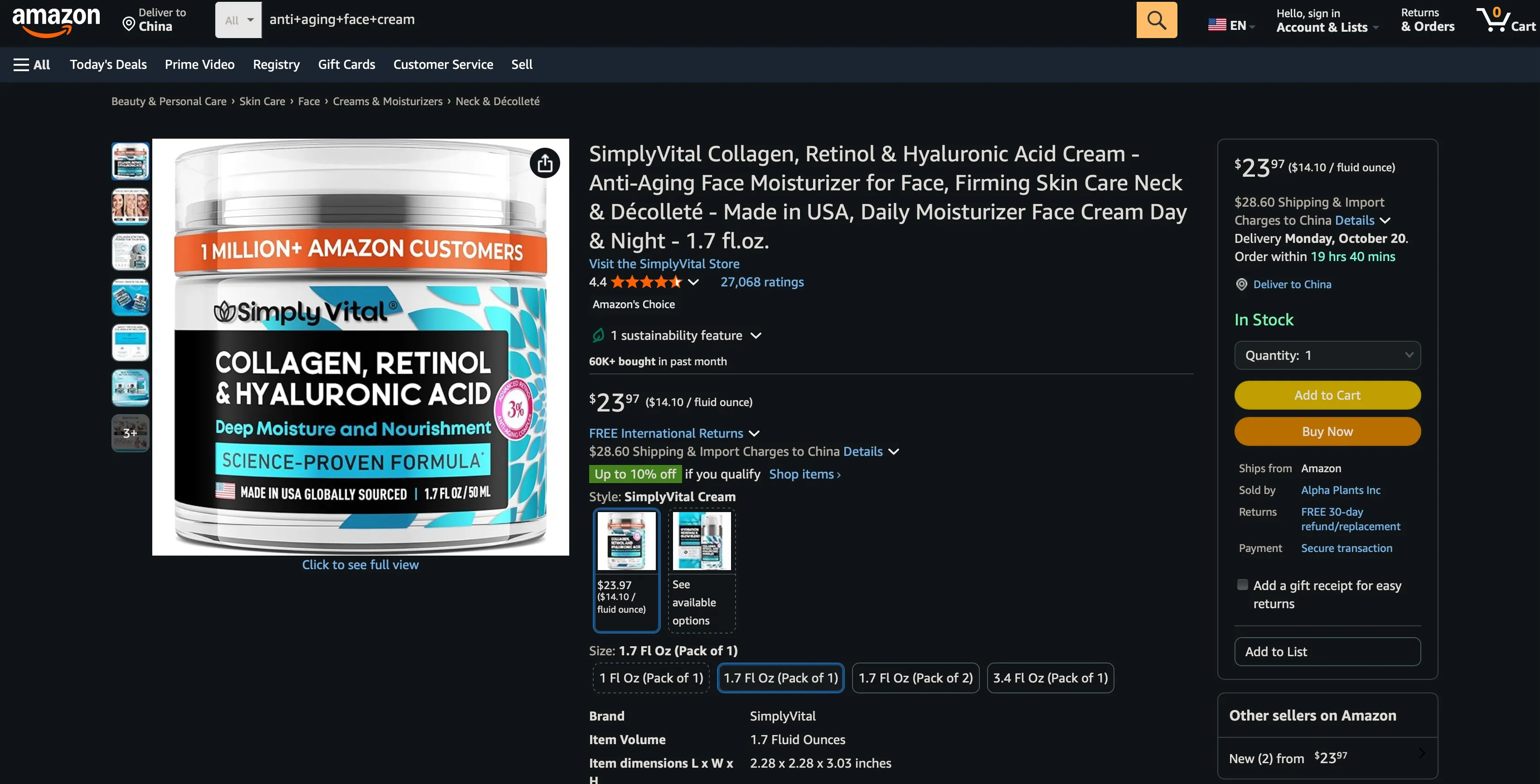 Prices of skincare products without astaxanthin
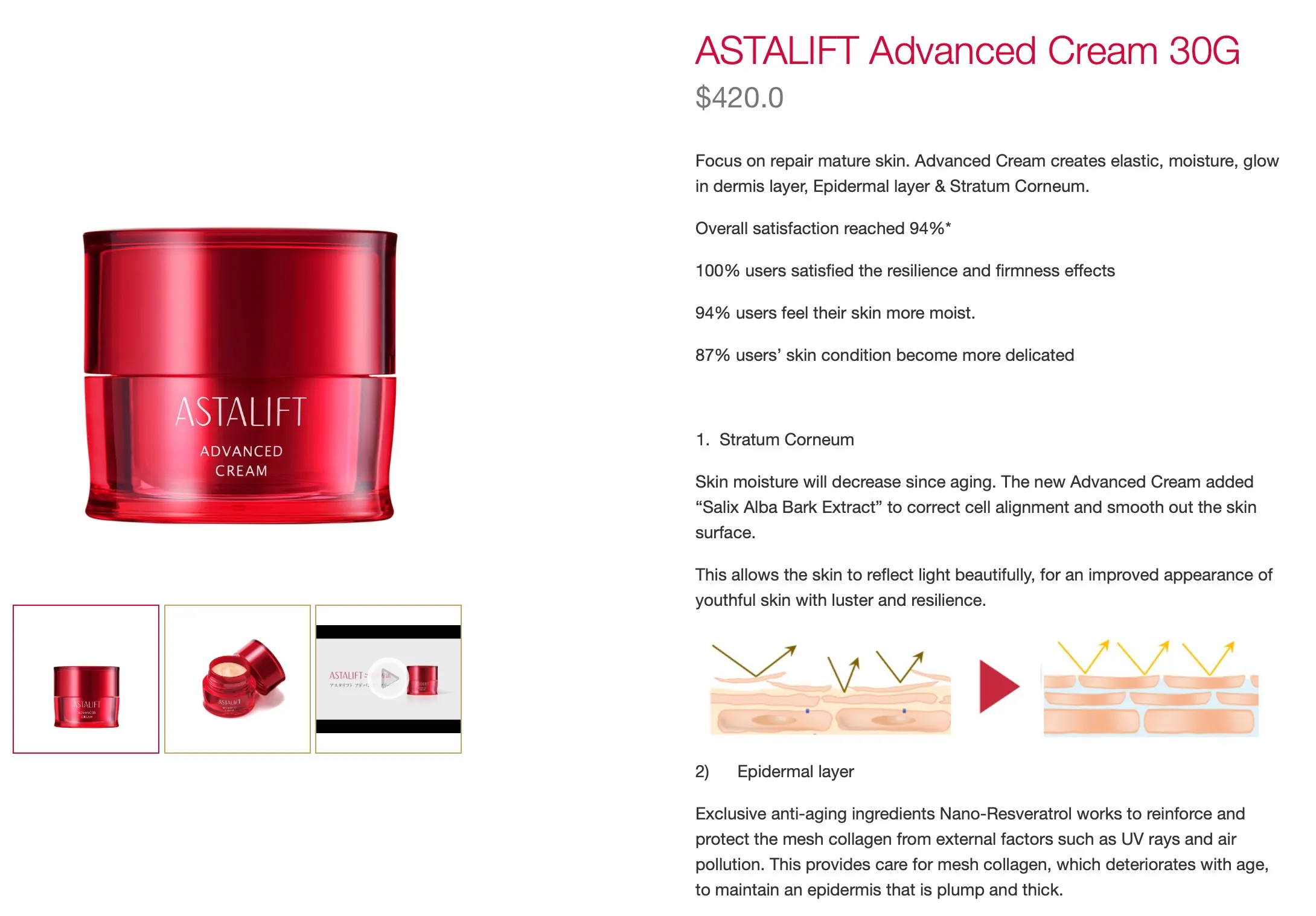 Skincare products containing astaxanthin and their prices
Our research into astaxanthin revealed its extraordinary antioxidant power: 1,000 times stronger than vitamin E, 200 times more potent than lutein, and 10 times more effective than beta-carotene [1] Its unique molecular structure ensures skin affinity while shielding cellular mitochondria from oxidative stress damage.
Additionally, astaxanthin exhibits anti-aging properties: According to a literature review and meta-analysis we referenced [2], astaxanthin supplementation increases skin hydration, enhances elasticity, reduces wrinkles, and helps slow skin aging.
Astaxanthin also repairs skin damage. Skin aging manifests as changes in the dermal extracellular matrix, leading to loss of elasticity, wrinkles, dryness, dehydration, and slow healing. Astaxanthin effectively inhibits cell damage caused by free radicals and MMPs following UV exposure.
While it possesses potent anti-aging properties, its price point is significantly higher than comparable ingredients.
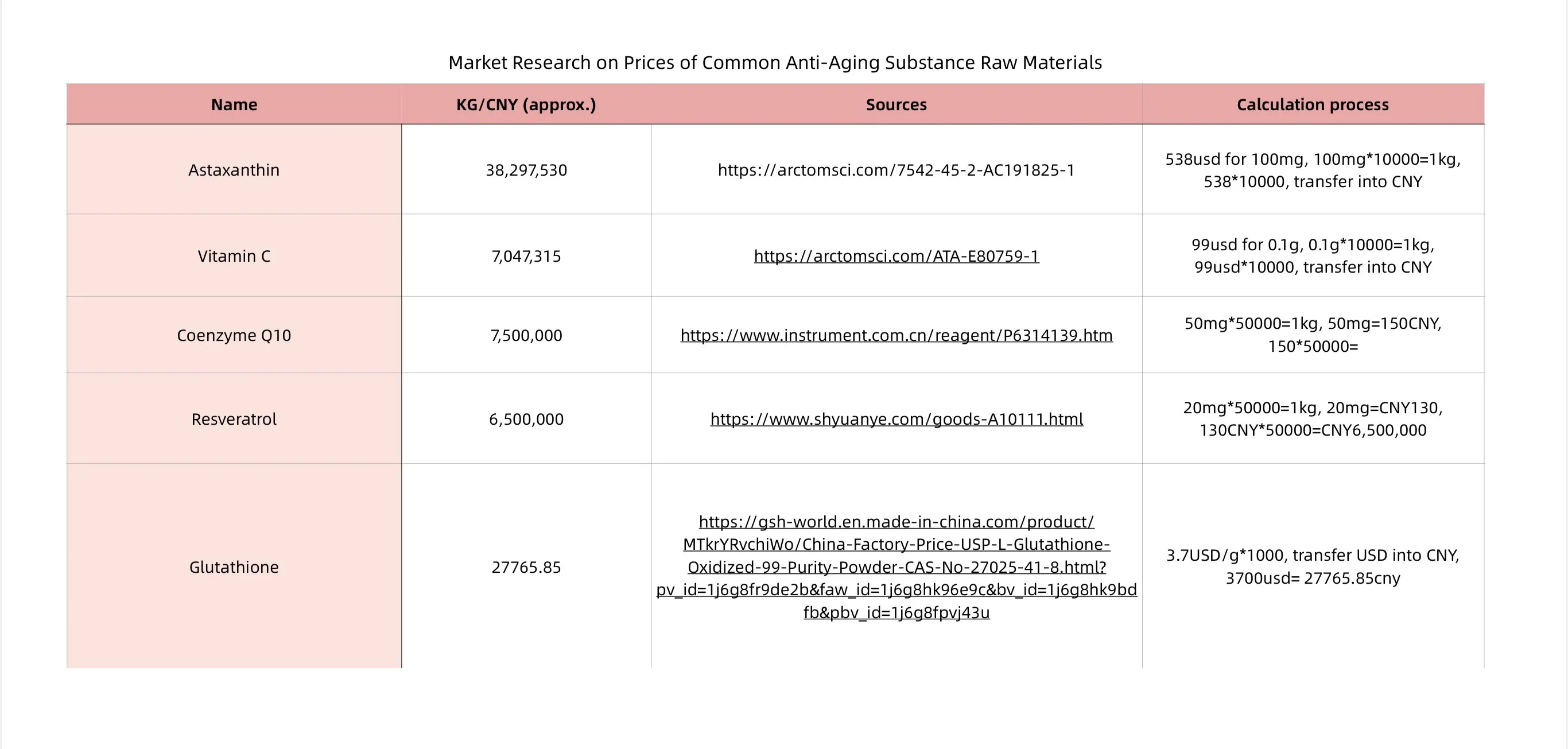 Market Research on Prices of Common Anti-Aging Substance Raw Materials
Next, we discovered the reason—difficulty in sourcing
Currently, there are two methods for obtaining astaxanthin:
Haematococcus pluvialis is a key algae species used for natural astaxanthin production. Under normal conditions, it appears green but synthesizes astaxanthin only under adverse growth conditions (e.g., high temperatures). During astaxanthin synthesis, it forms extremely thick cell walls, complicating subsequent extraction. Additionally, Haematococcus pluvialis is susceptible to infection by the pathogenic fungus Paraphysoderma sedebokerensis during cultivation. Due to the lack of research on the mechanism of fungal infection in algal cells, contamination can result in significant economic losses.
Chemical synthesis of astaxanthin may introduce other harmful substances that pose potential threats to human health. Additionally, chemically synthesized astaxanthin products often contain high levels of cis-isomers, which reduce bioavailability and safety. This hinders effective human absorption of astaxanthin and may cause adverse reactions. Natural astaxanthin, derived from biological sources, differs in chemical structure and biological activity from its chemically synthesized counterpart. Natural astaxanthin is safe for humans and animals with no reported adverse reactions, whereas chemically synthesized astaxanthin lacks this safety profile.
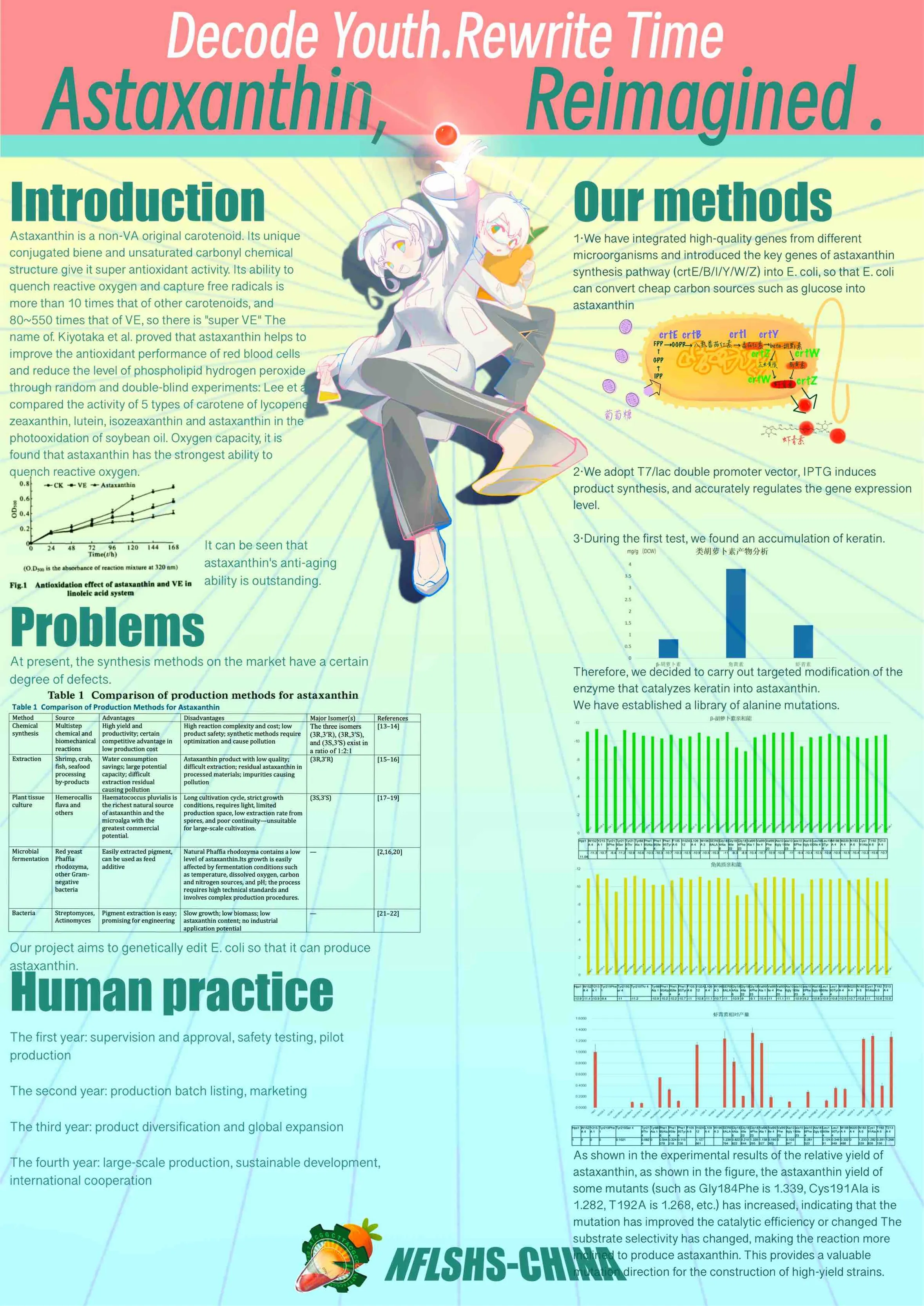
To overcome the challenges in astaxanthin sourcing, we sought a strategy that could achieve both high yield and low cost. Eventually, we chose to employ E. coli BL21 (DE3)—a simple yet efficient model organism—to construct a cellular factory for astaxanthin biosynthesis. The pigment was then extracted through cell disruption techniques, ensuring both high recovery efficiency and ease of processing. This approach provides the skincare industry with a safer and more economical source of natural astaxanthin.
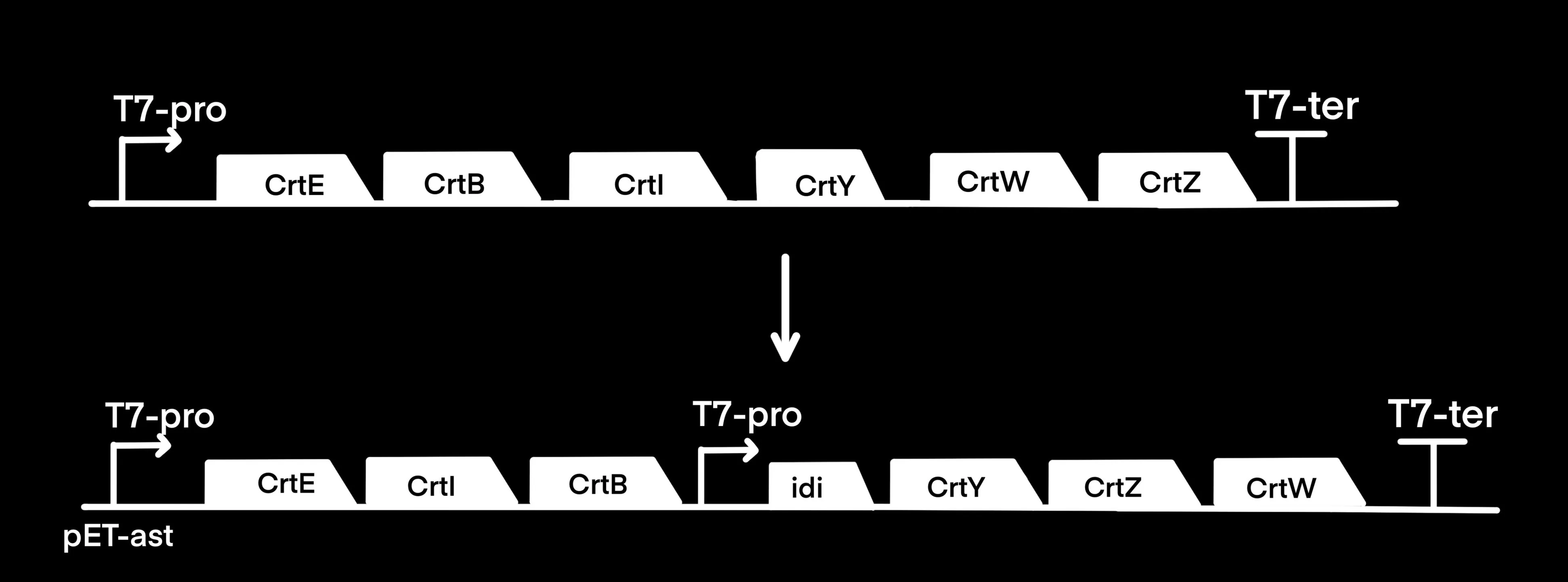
After establishing our project's core direction, we consulted our principal investigator, Professor Ao Yi. Following her guidance and reviewing existing literature, we selected a T7 promoter to directly express the target gene for astaxanthin production.
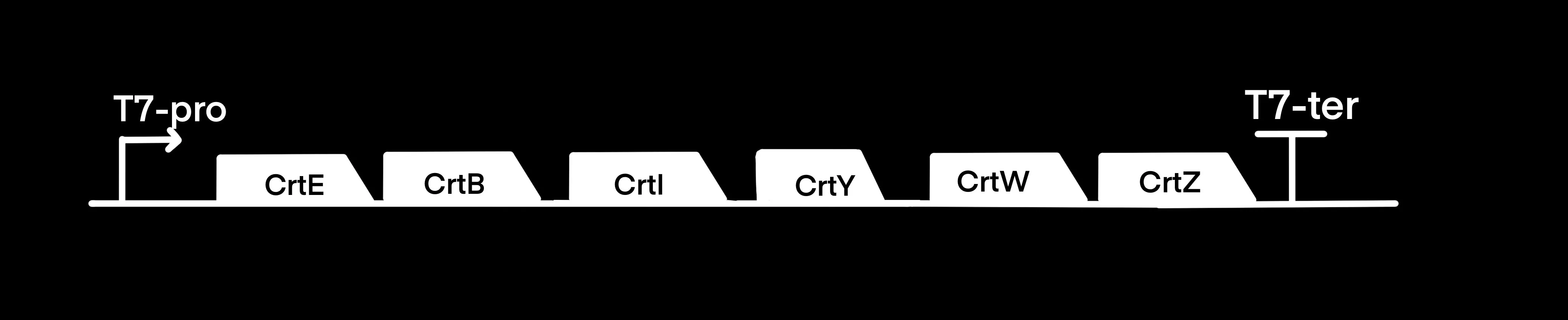 The First Version of the Astaxanthin Biosynthesis Pathway
To further validate our project's feasibility and ensure it better serves society and stakeholders, we conducted extensive stakeholder interviews. Their feedback guided our project refinement. To capture detailed stakeholder input and organize it effectively, we employed the 4E Canvas to categorize human practices and conducted in-depth stakeholder interviews, ensuring comprehensive information to inform our project.
Within the 4E framework, we emphasized distinct human practices and their associated stakeholders' varying project priorities, enabling more effective categorization of their feedback and opinions.
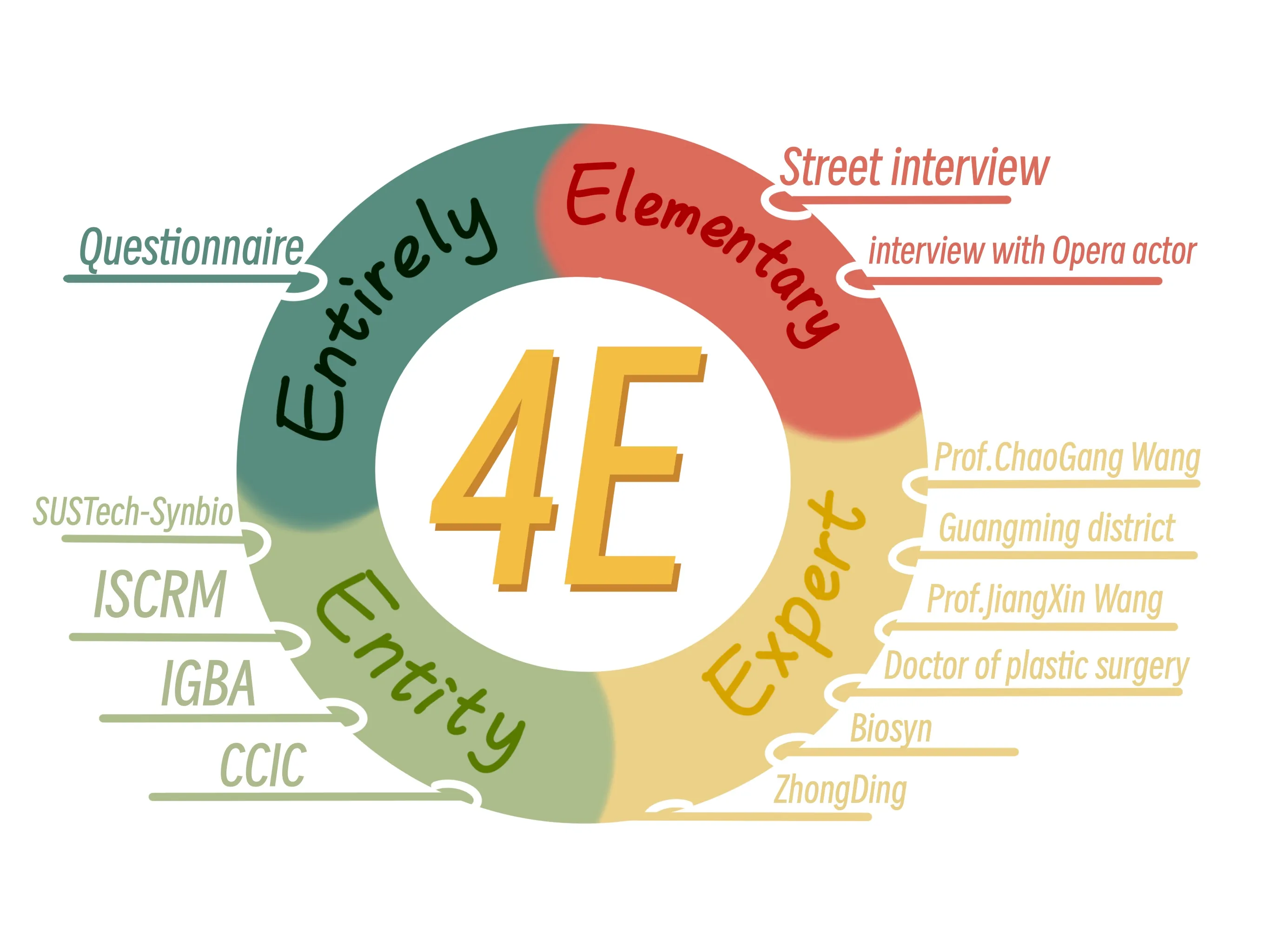
Entirely
In this section, we view the community we live in as a whole. When conducting human practice activities, we consider the relevant interests of community residents and the project's value from a holistic perspective. Our goal is to gain broad perspectives and comments through communication and connection with them.
Elementary
For residents without specific synthetic biology or cosmetic ingredient knowledge but with cosmetic product needs, we categorize them as elementary subjects. Our goal is to gain their approval and satisfaction with our project design, ensuring it addresses their concerns.
Entity
Throughout this year's iGEM cycle, we participated in numerous iGEM events. We categorize the specific iGEMers we encountered, guest speakers at conferences, and sponsors we interacted with as entities. Each provided fresh perspectives on our project from different angles or offered inspiration at the iGEM competition level. Our goal is to organize their suggestions, summarize our learnings, and refine our project.
Expert
Experts represent our most critical stakeholder group. They include scholars with foundational knowledge in synthetic biology, professionals in the cosmetics industry, and government-affiliated executive bodies. Our objective is to integrate their perspectives to refine our project and enhance its feasibility.
For each human practice, we use the purpose-highlight-reflection framework to demonstrate our thought process during implementation.
Purpose
Our project centers on astaxanthin. First, we sought to understand audience perspectives and needs. We needed to know how many people require anti-aging products, how these products impact them, their approaches to skin damage, and their views on existing market offerings. To gather this information, we surveyed diverse demographics including high school students, office workers, and middle-aged parents.
Highlight
We employed a combination of online and offline methods, collecting 293 valid questionnaires.
Survey results indicate a nearly balanced gender ratio among anti-aging skincare users (55.63% female, 44.37% male), reflecting broad and inclusive interest in skincare. About 66.55% of respondents had heard of astaxanthin, and 67.92%reported caring about their skin condition. However, 65.19% admitted to abandoning skincare purchases due to high prices, underscoring the market’s demand for cost-effective yet high-performance products. Notably, 80.2% of participants expressed willingness to purchase astaxanthin-based skincare if genetic engineering could reduce its cost, confirming the strong potential of our research direction.
In our survey, we also introduced synthetic biology and iGEM. While 76.11% of respondents were open to genetically modified organisms, 23.89% expressed concern over the concept of “gene editing,” suggesting that public education and transparent communication will be key to promoting biotechnology-based skincare innovations.
Reflection
The questionnaire data indicate that consumers seek cost-effective, high-performance anti-aging and antioxidant skincare products, validating the feasibility of our astaxanthin-focused project.
Purpose
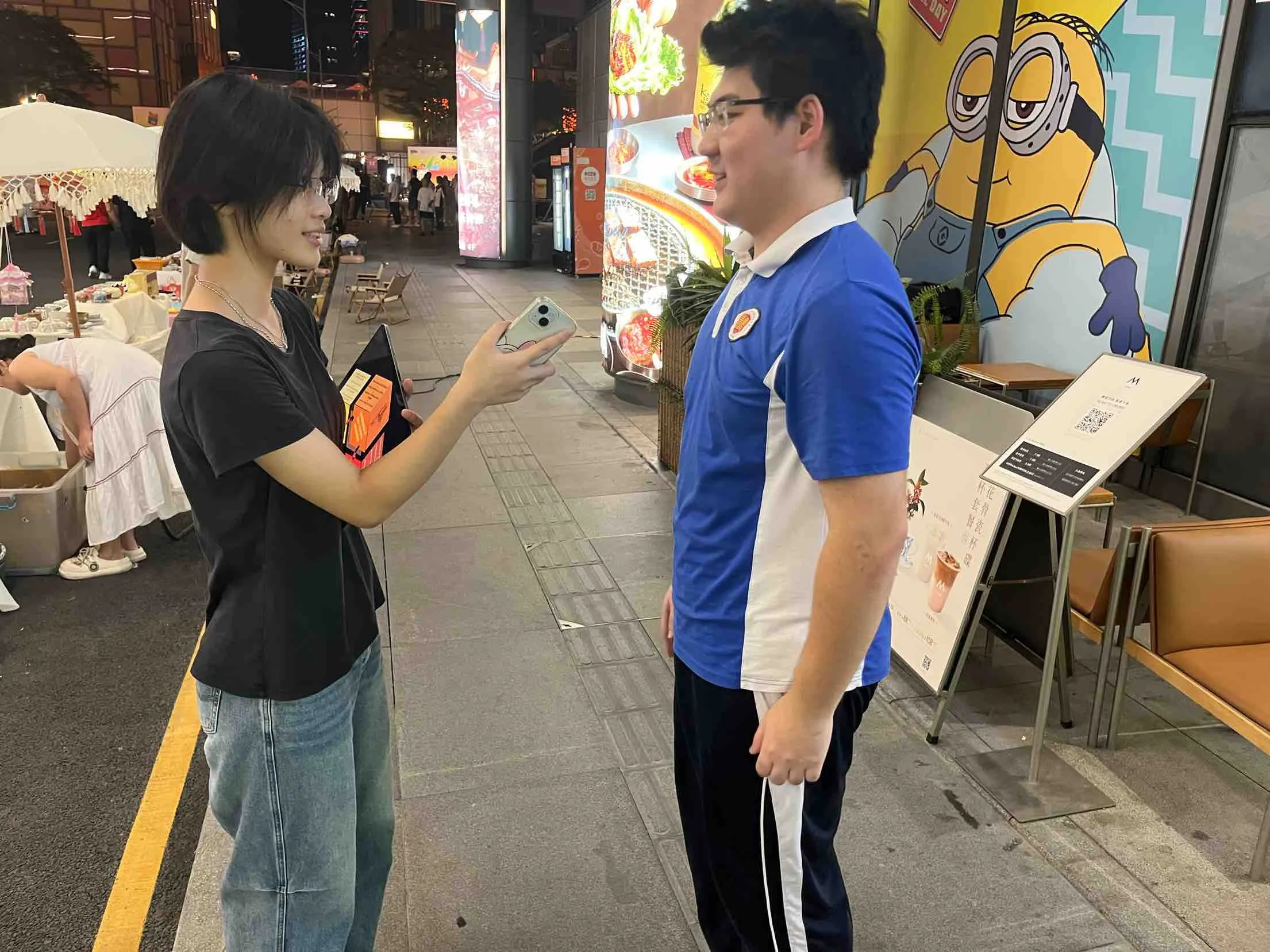
The reason for conducting offline street surveys is to gain direct insights into the perceptions of ordinary citizens and consumers at beauty and skincare stores regarding astaxanthin and skincare products. We aim to gather diverse perspectives and maximize the collection of residents' suggestions for an anti-aging product.
Highlight
We posed three core questions to Shenzhen residents: 1. Do you purchase anti-aging skincare products because you are concerned about facial wrinkles? 2. Are you familiar with astaxanthin and its effects? 3. Would you consider using skincare products containing astaxanthin produced through synthetic biology technology?
The final survey results revealed a pattern: Compared to male respondents, more female respondents would purchase anti-aging products due to wrinkles. Citizens who would buy products had limited knowledge of astaxanthin, but most had skincare needs constrained by price. They were willing to try astaxanthin skincare products produced using synthetic biology technology that comply with market regulations.
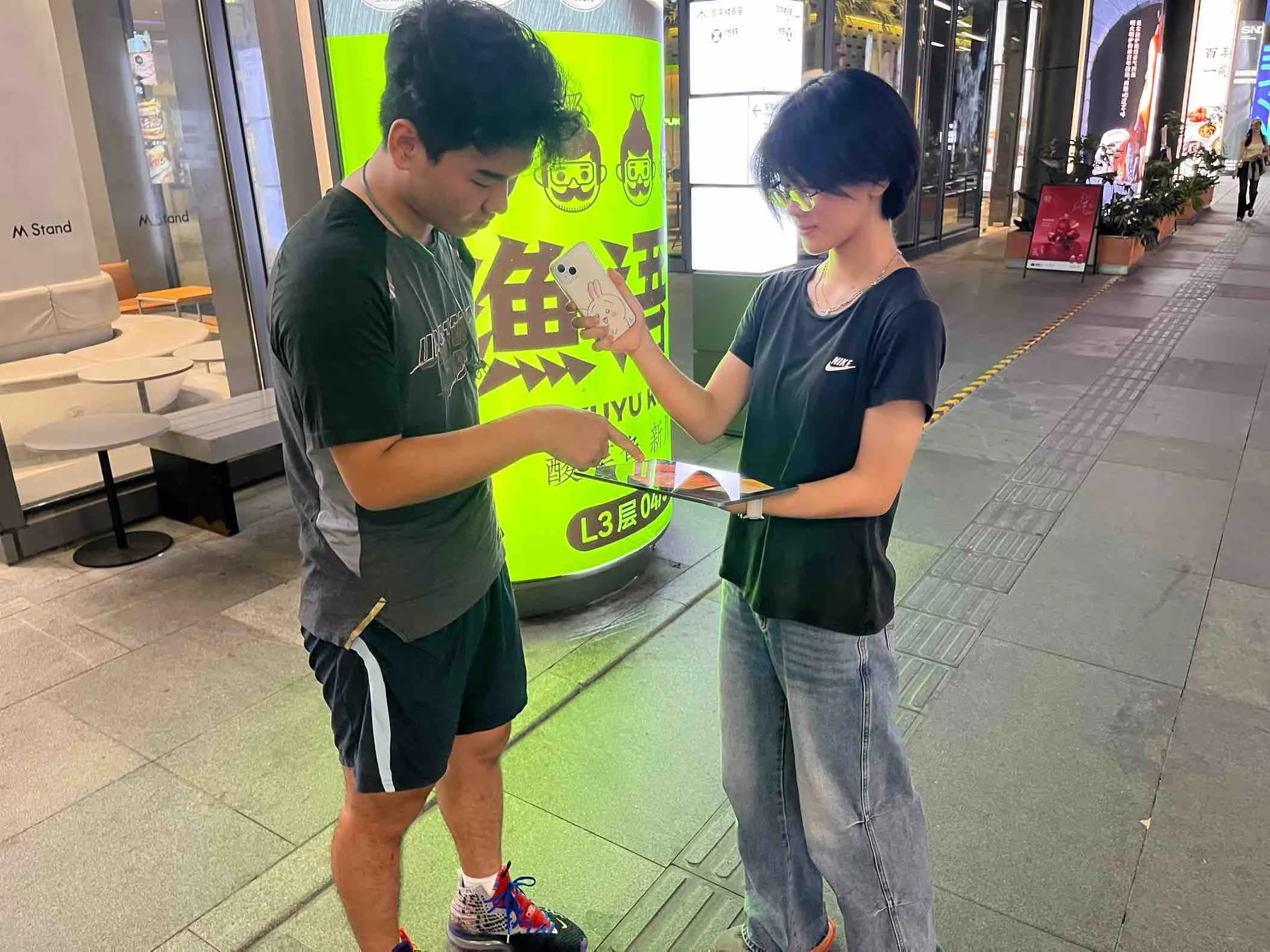
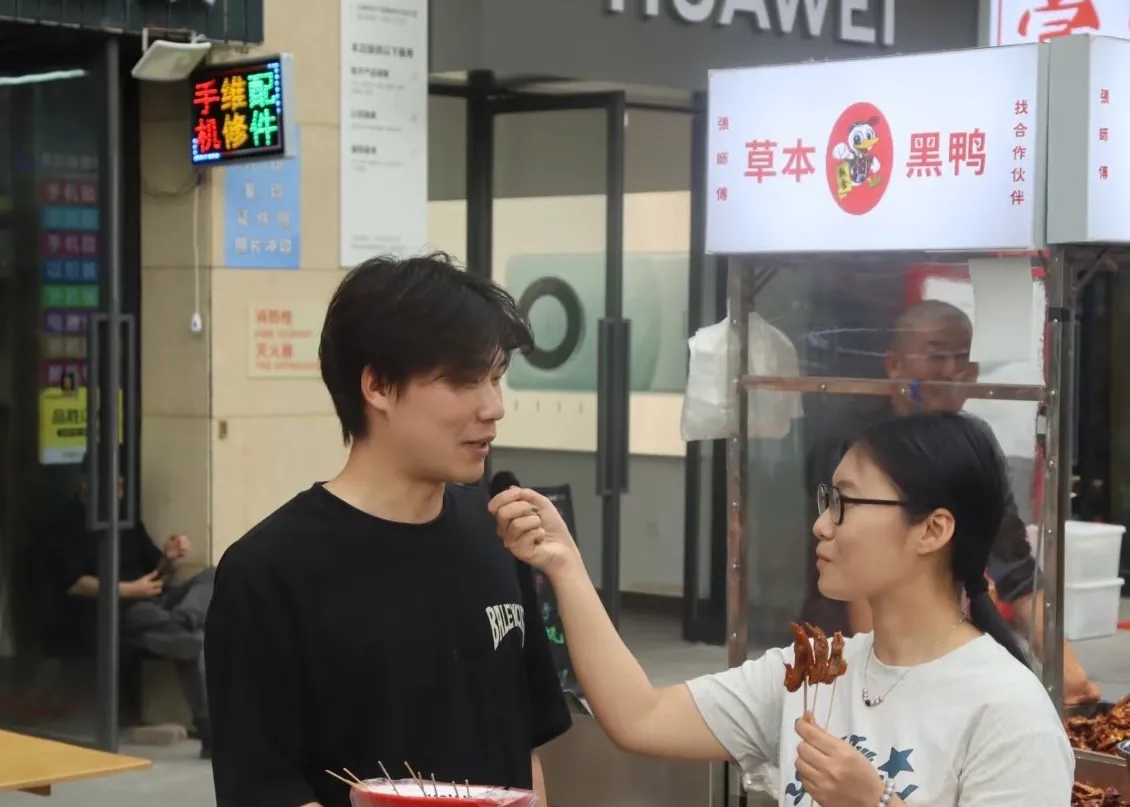
reflection
Street interviews demonstrated public willingness to use astaxanthin products and affirmed synthetic biology methods. This highlights commercial opportunities for our product in the Chinese market, prompting us to consider entrepreneurial questions.
Purpose
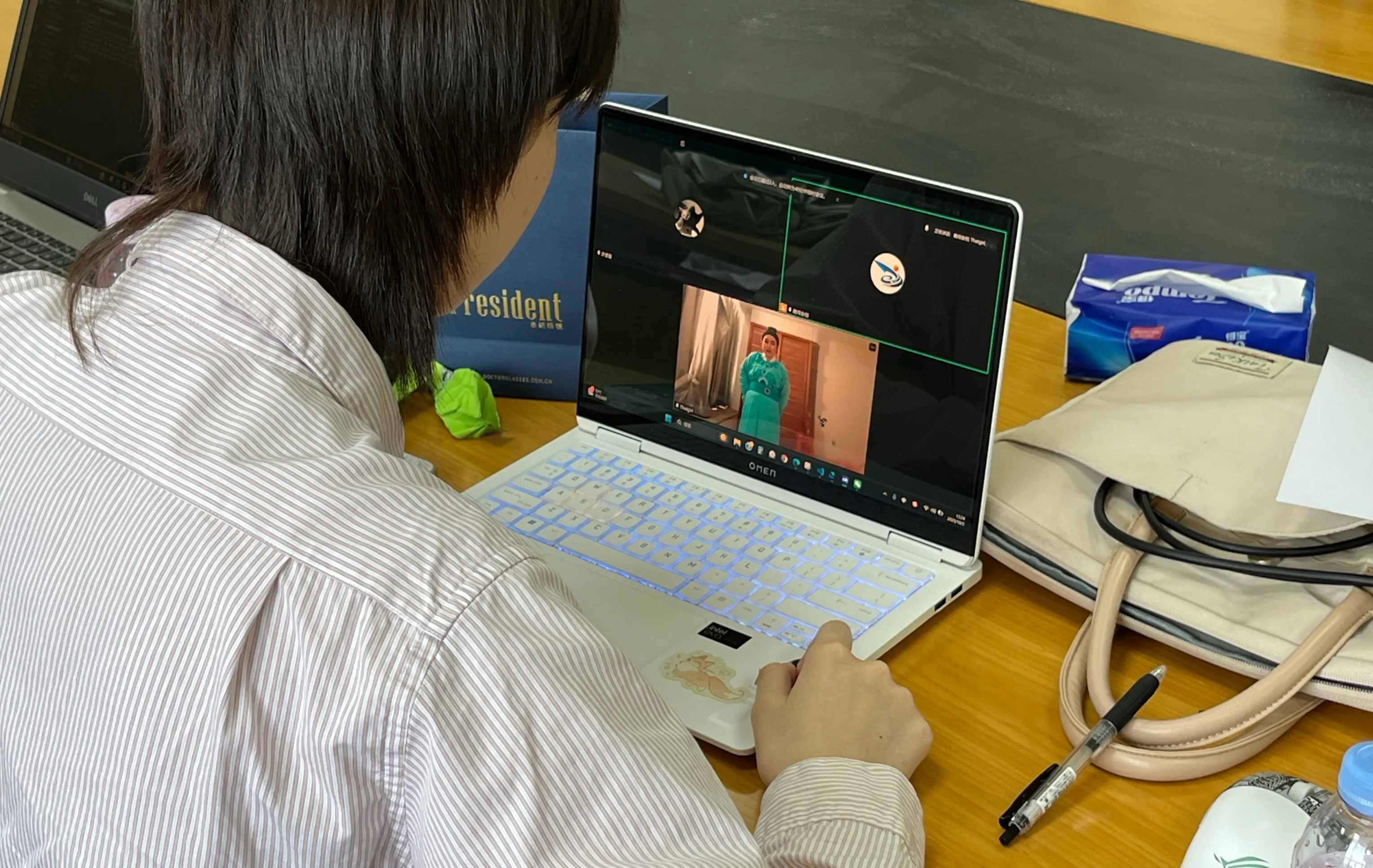
During street interviews, we encountered a theater actor who explained the common use and importance of red makeup in theatrical performances. This immediately sparked the idea of developing a skin-friendly red makeup product using our astaxanthin formulation. After an initial online discussion, we scheduled a second in-person meeting with this actor to explore this possibility further.
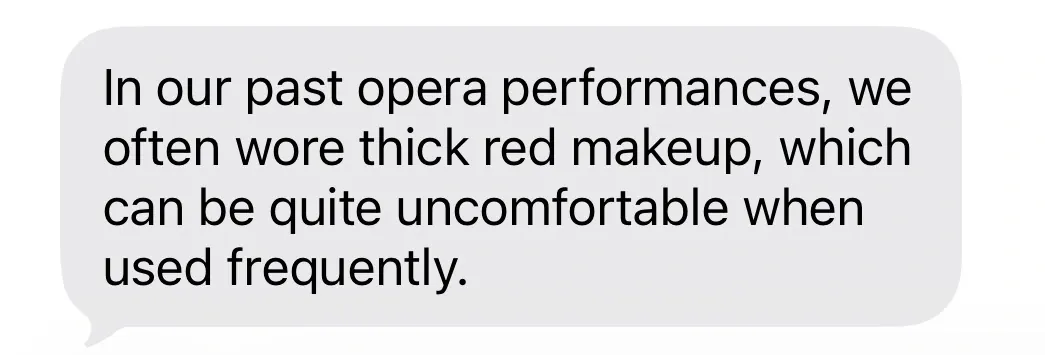 Feedback excerpt from performers discussing stage makeup experience.
Highlight
Through conversation, we learned that heavy makeup is required for every performance. Chemicals in traditional oil-based paints can penetrate through enlarged pores, causing allergic reactions like itching, pain, redness, swelling, and blisters on the face. He mentioned that some actors had to suspend performances or even leave the theater industry due to severe allergies. Furthermore, if oil-based makeup wasn't thoroughly cleansed afterward, residual pigments clogging pores could trigger acne and pimples, significantly worsening skin condition. Sometimes, even with extra-long cleansing sessions, frequent makeup application still took a heavy toll on the skin.
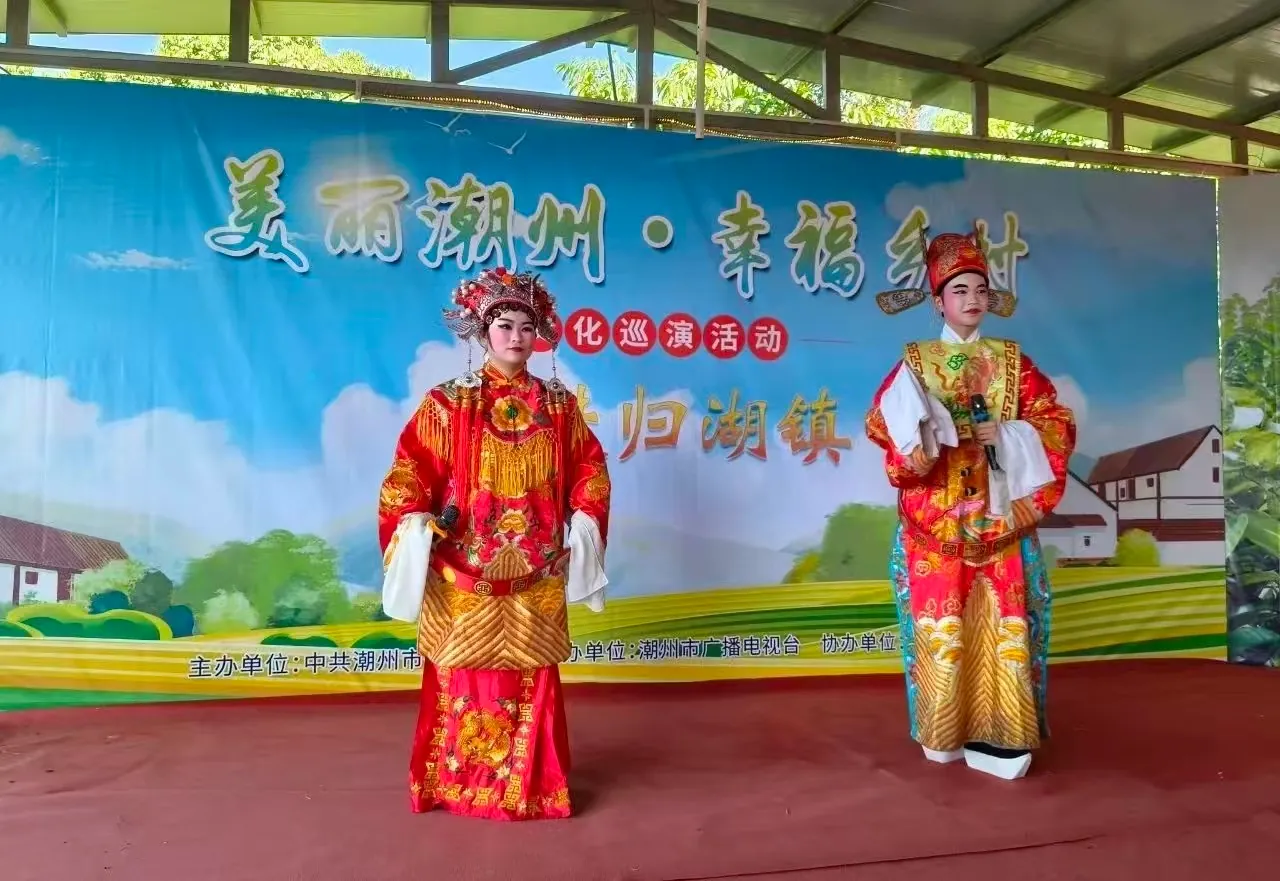
Reflection
We contemplated whether astaxanthin's red-tinting properties could be leveraged to create a new type of makeup for theatrical performers—one less damaging to skin than traditional oil-based paints. Expanding our vision, we decided to combine astaxanthin's antioxidant benefits to develop a red-tinted, antioxidant-rich cosmetic.
Purpose
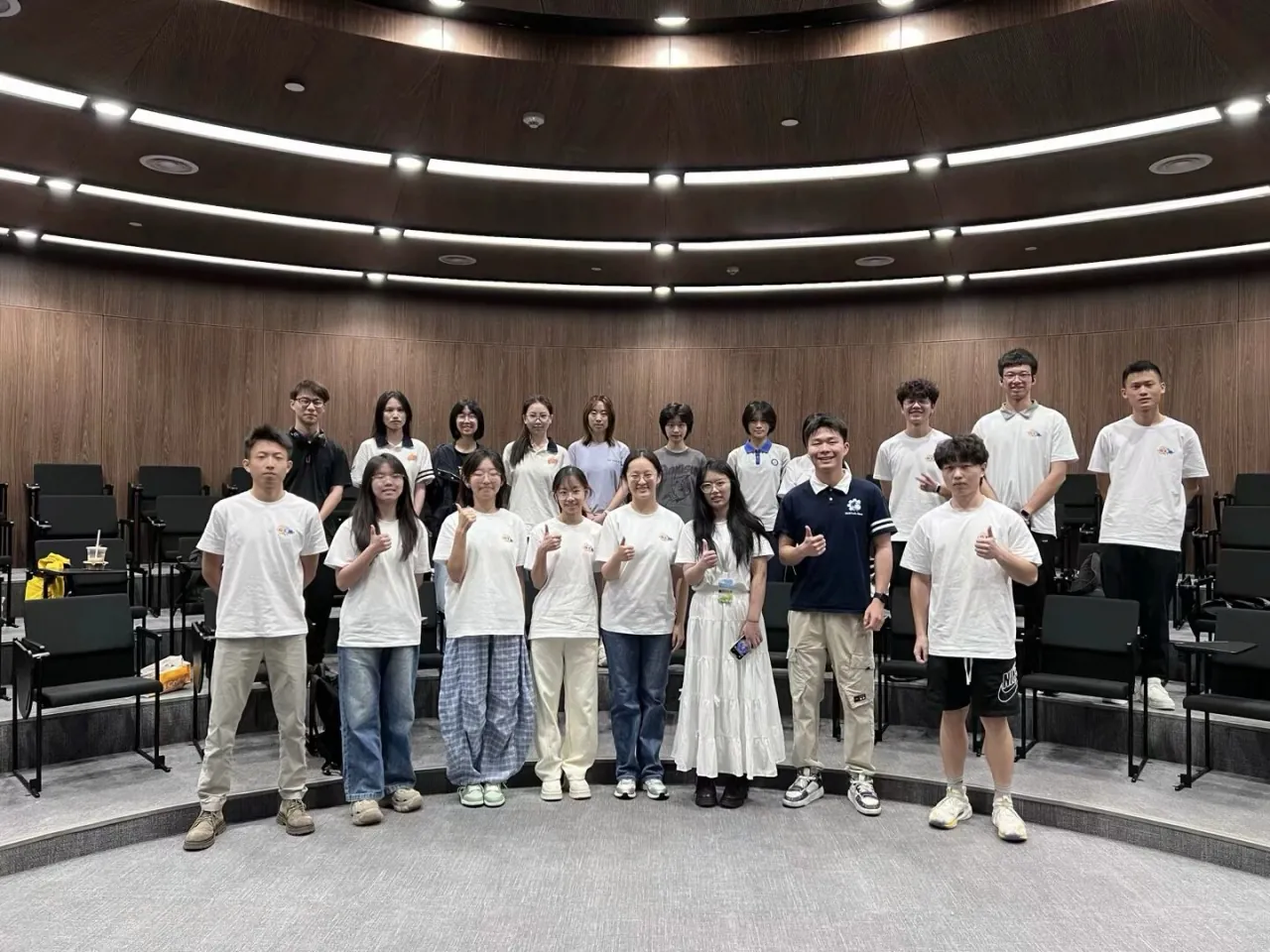
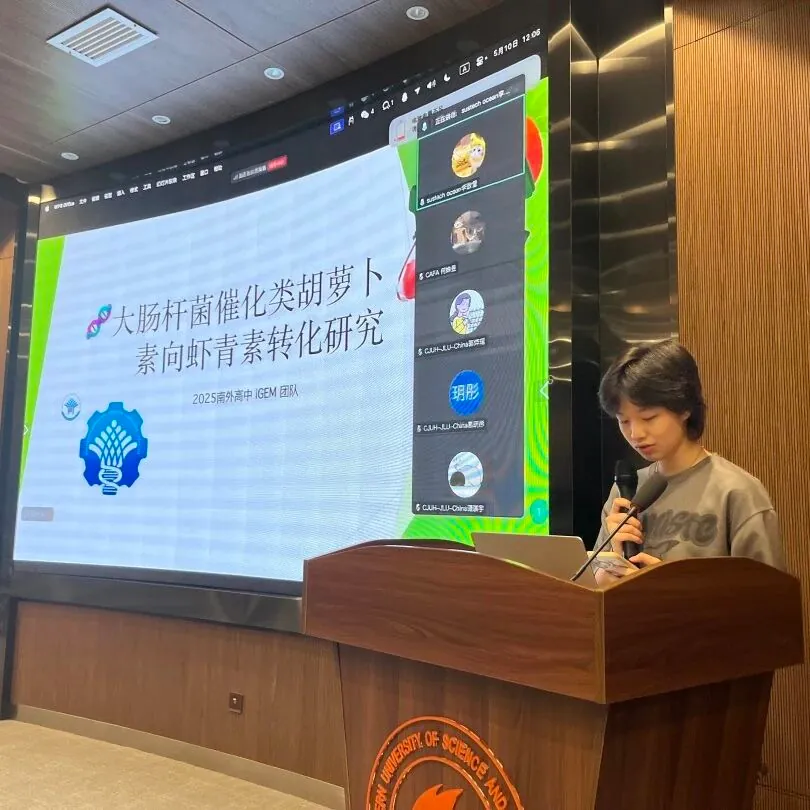
On May 10th, the SUSTech-SynBio community hosted its inaugural exchange session for the "Heritage, Innovation, Future" HP Highlight. Seven teams presented their project designs and HP activity plans in sequence.
Highlight
The meeting featured lively discussions, with active participation during the Q&A session. Attendees engaged in in-depth exchanges on experimental details, the practical significance of HP work, and task allocation within HP projects.
Reflection
We heard reports on SZU-China's HP work from last year, which effectively blended inspiration and storytelling. For instance, when researching sugar-free beverages, they first mentioned a team member hospitalized due to irregular diet and sleep patterns, then illustrated this idea in a concise picture book that sparked curiosity. This reminded us that our HP introductions could also feature vivid openings to engage readers.
SUSTechMed's HP planning was also ingenious, segmenting their audience into three circles: the technical circle, the decision-making circle, and the public circle. Inspired by this, we divided our audience into four circles—our 4e principle—and optimized our project plan based on the feedback received.
Purpose
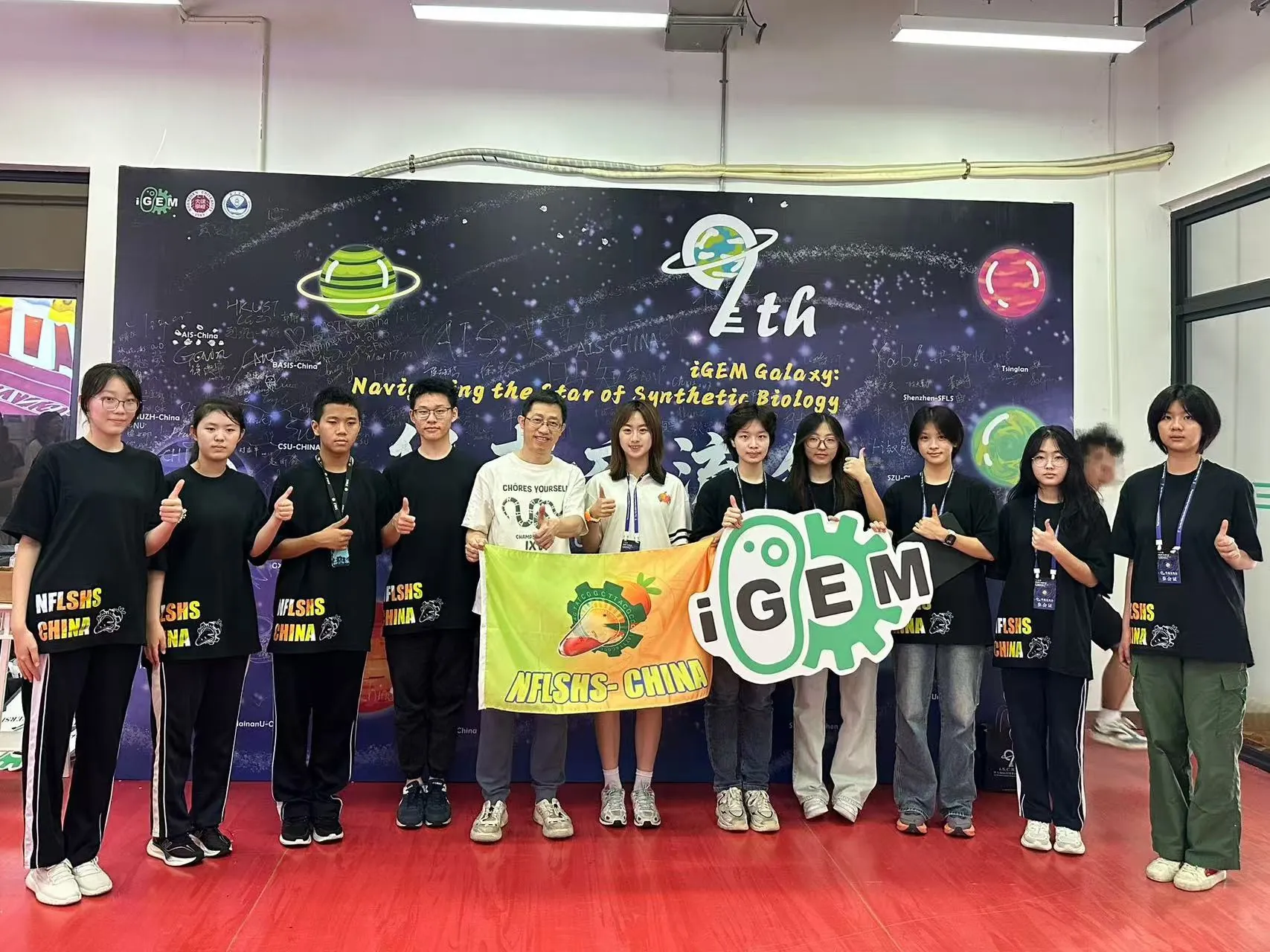
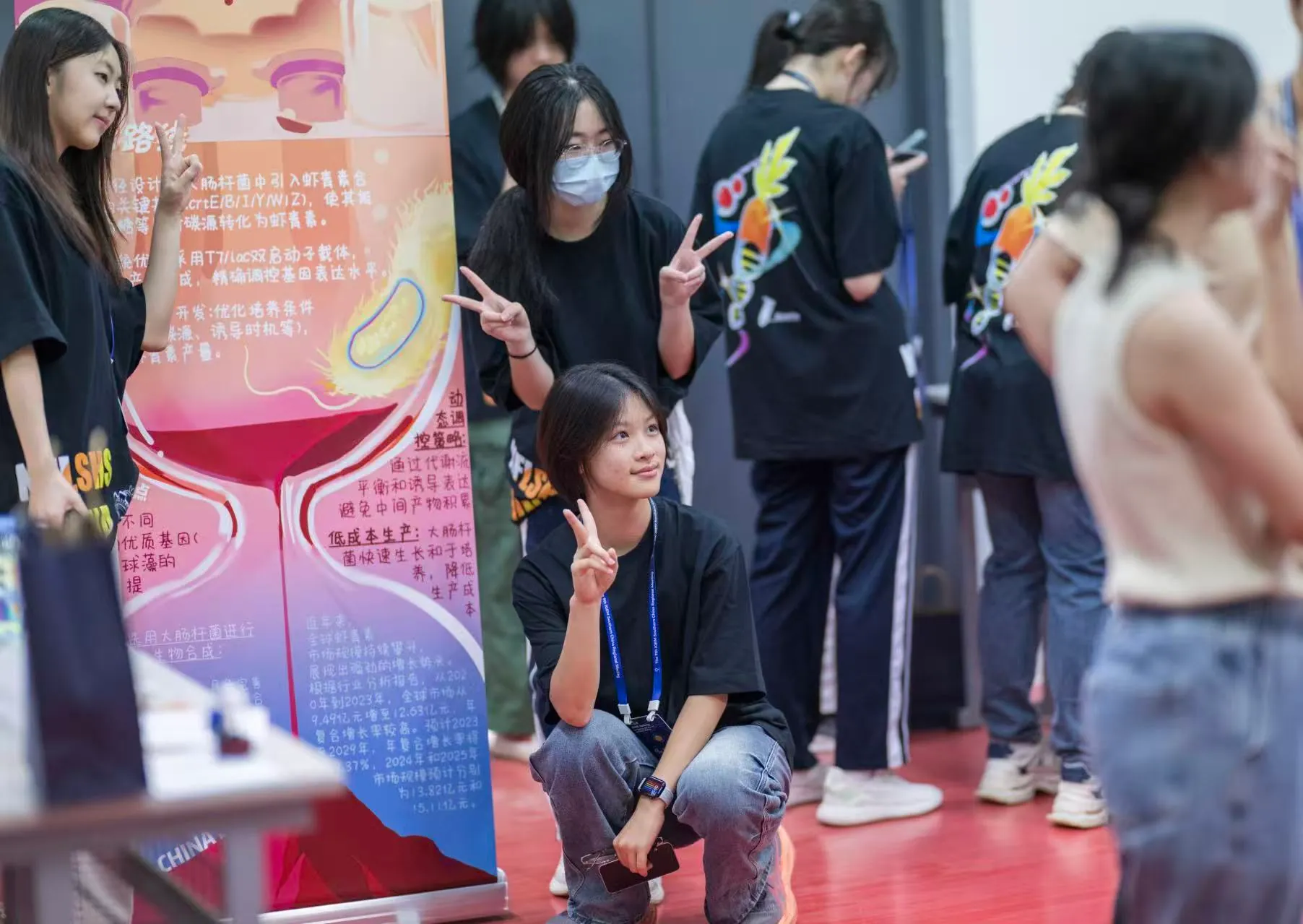
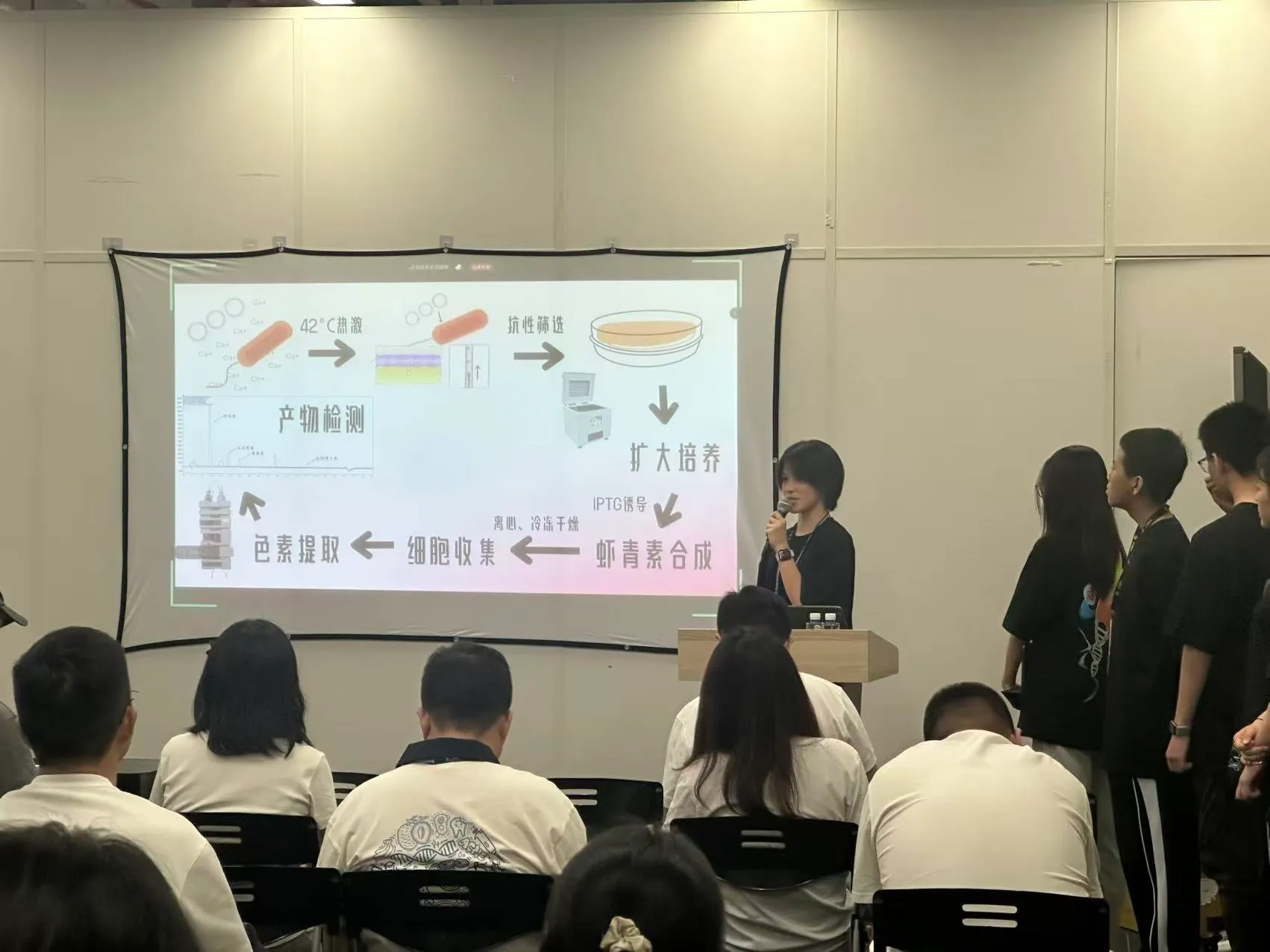
On May 17, 2025, we attended the South China Exchange Meeting held at Shenzhen University, where we interacted with other teams. As a new iGEM team, we aimed to gain insights into what iGEM expects from project teams, learn from others, and address our shortcomings.
Highlight
We collaborated with other iGEM teams working on cellular factories to explore efficient production methods and discussed how to apply iGEM and synthetic biology within our communities.
We also made our debut at an iGEM community event, presenting our project to attendees.
Reflection
Our team gathered expert insights on astaxanthin production from other iGEM teams and received positive feedback on our project's value. We reaffirmed our commitment to developing astaxanthin-based anti-aging products.
This exchange was profoundly meaningful for our team, demonstrating how collaboration and cooperation can contribute both within and beyond the iGEM community.
Purpose
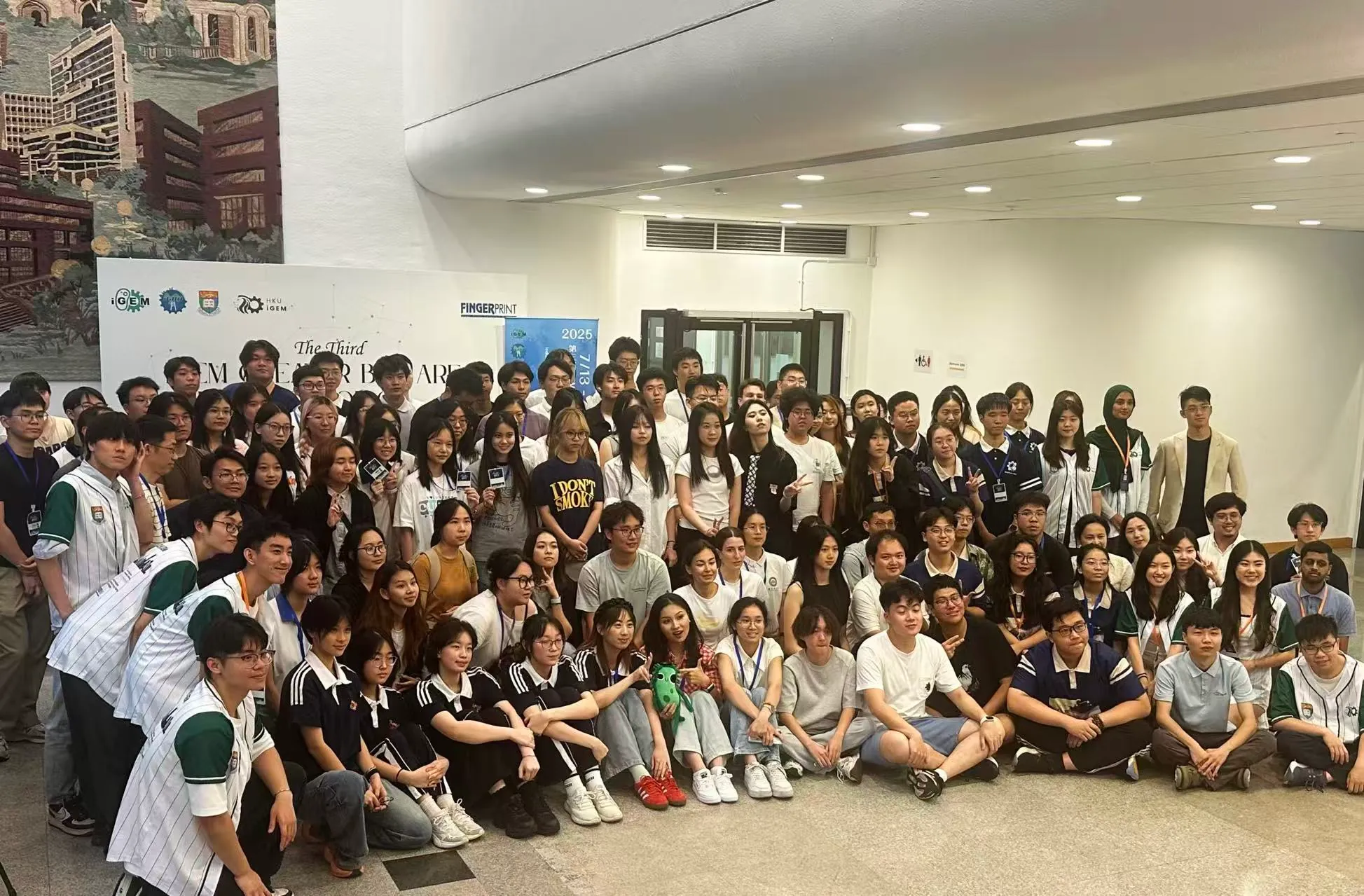
In mid-July, we attended the three-day iGBA conference. We aimed to engage with other teams, reflect on the safety aspects of synthetic biology projects, contemplate the significance of human practices, and refine our project.
Highlight
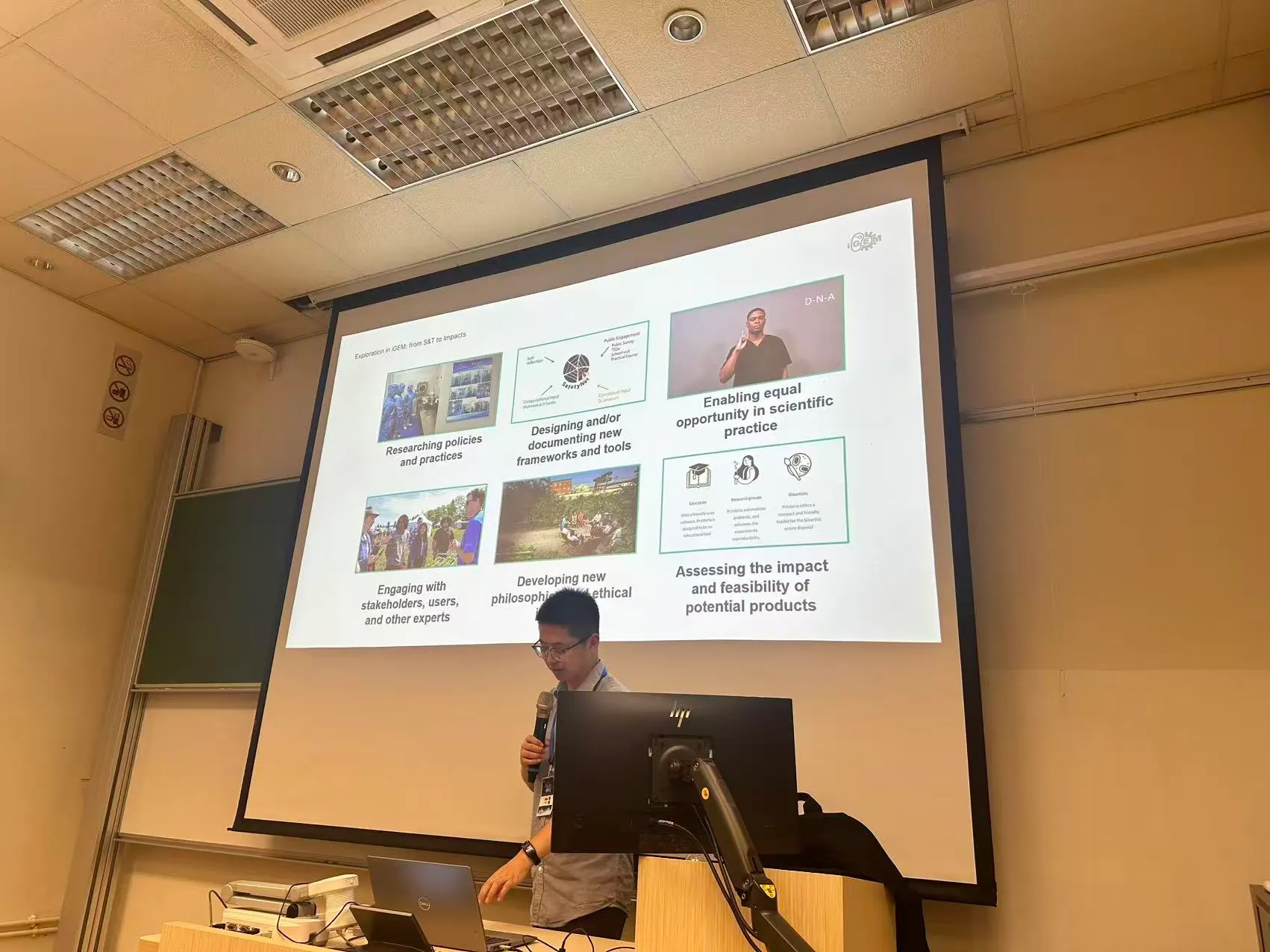
We participated in workshops on SDGs and safety at the HKU venue, listened to Dr. Bao's presentation, and gained valuable insights. Our instructor explained the distinction between safety and security. We discussed biosafety challenges in life sciences amid AI advancements—including risks from AI lowering technical barriers, real-world lab leak incidents, and the lasting impact of the He Jiankui gene-editing controversy. We also explored China's efforts to address these challenges through domestic biosafety legislation and international code-setting initiatives, deepening our understanding of biosafety.
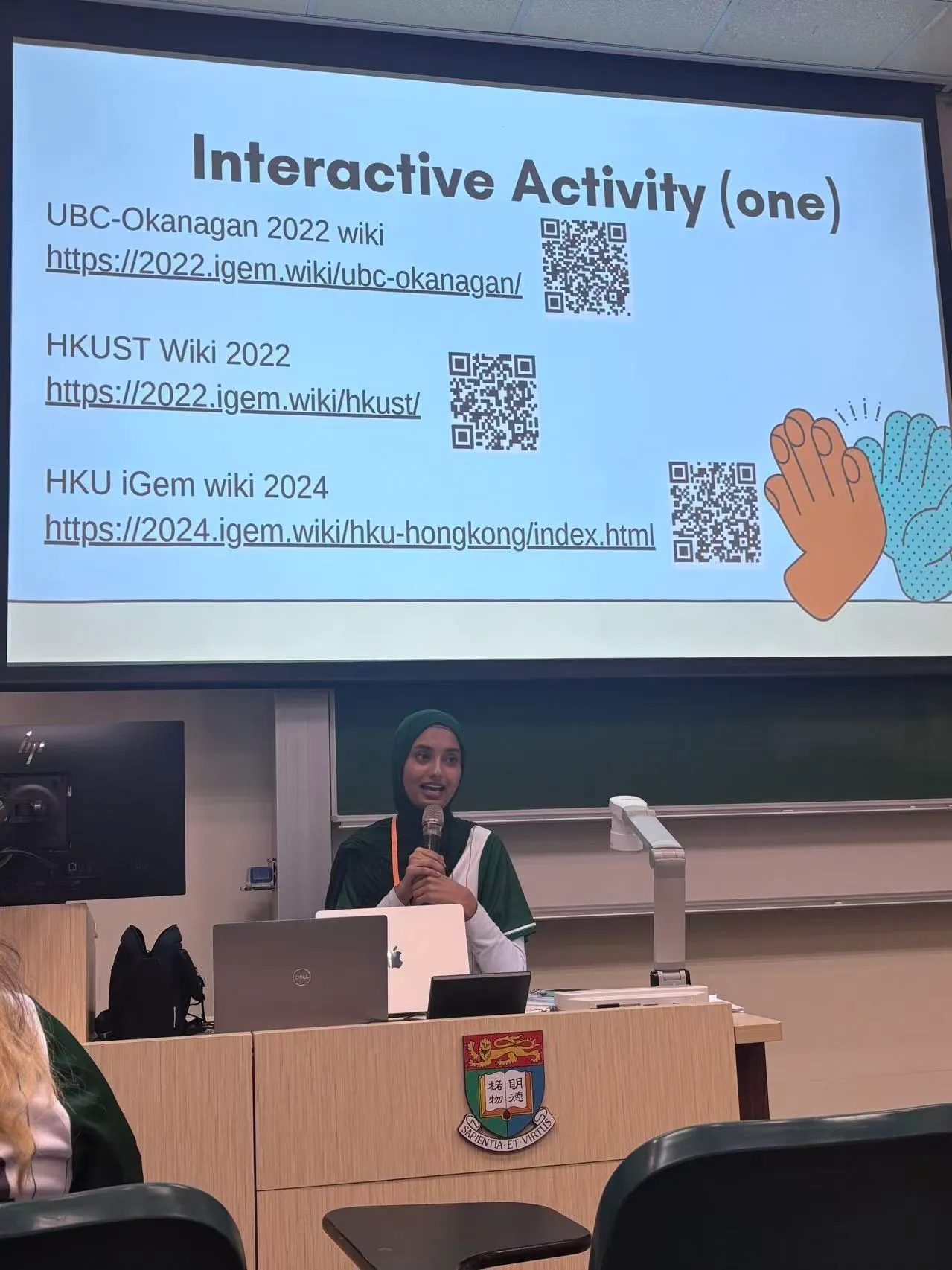
Participated in a wiki workshop. The instructor first presented three webpages, asking us to identify strengths and weaknesses in each. Then, given a topic and blank paper, we designed a webpage on the spot with hands-on guidance. This exercise provided us with an initial grasp of webpage priorities and the importance of layout design.
Reflection
After listening to Professor Bao's lecture, we gained insight into the challenges facing life sciences in the AI era. On our safety page (hyperlink), we thoroughly examined all safety and security aspects relevant to our project. Beyond human practices, we placed special emphasis on the SDGs section (hyperlink) within our project, aiming to contribute positively to the world. Additionally, as first-time participants, we gained significant wiki writing skills—our current wiki presentation owes much to the iGBA wiki workshop.
Purpose
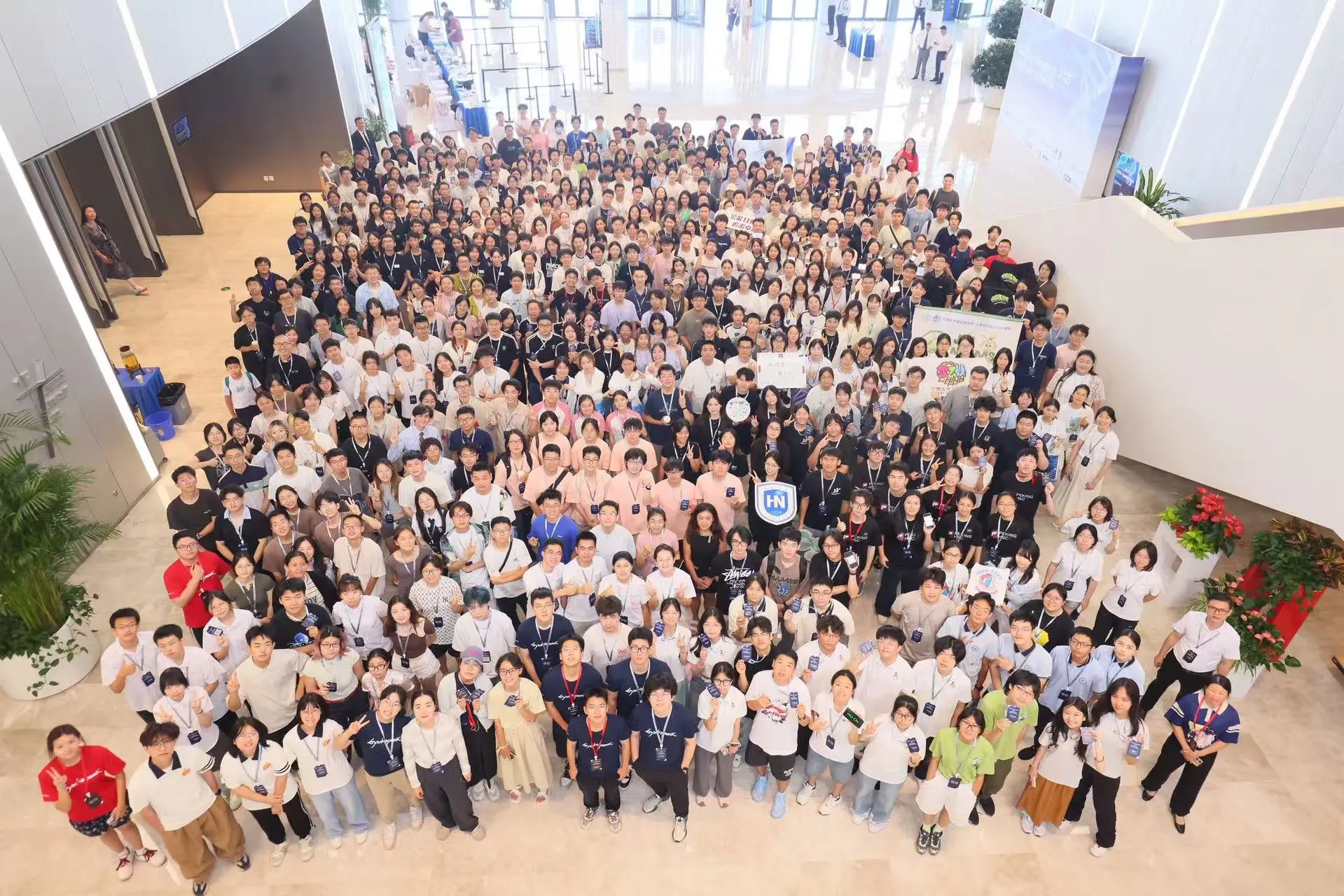
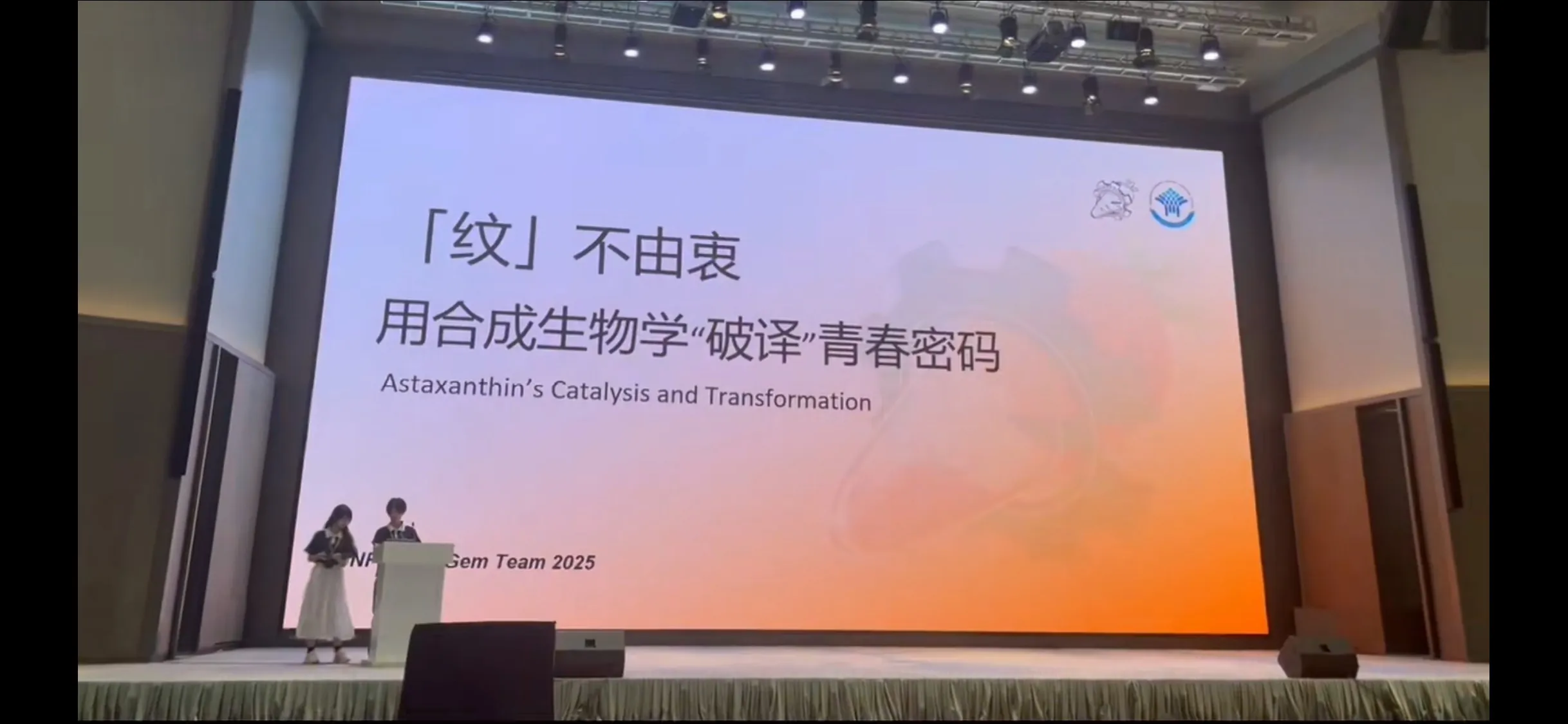
From August 6th to 8th, we participated in the Beijing CCIC Exchange Meeting. This event provided us with an opportunity to gain a deeper understanding of other teams' projects while refining our own.
Highlight
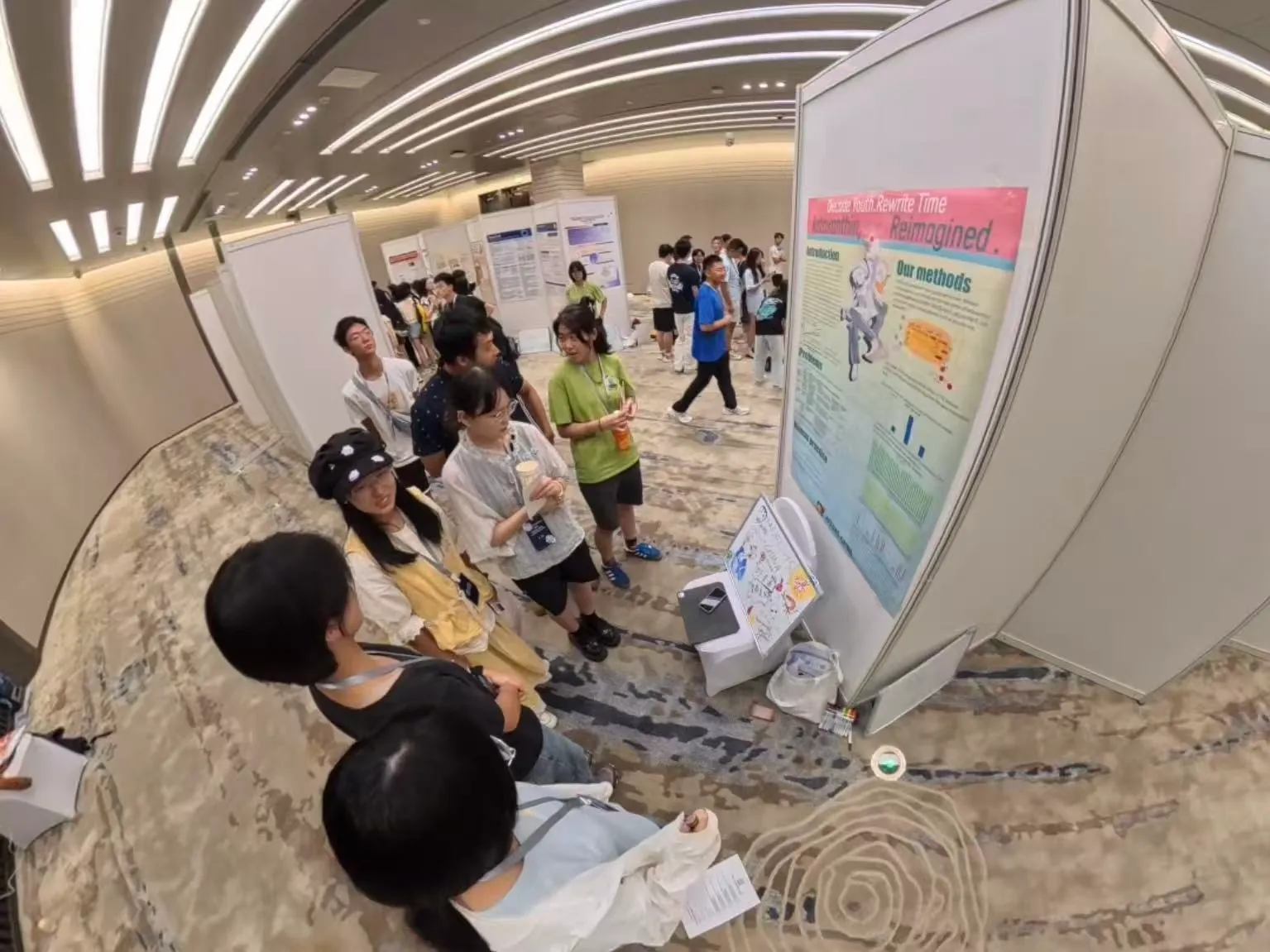
Exchange with YNNU-China to learn about their protein modification software project.
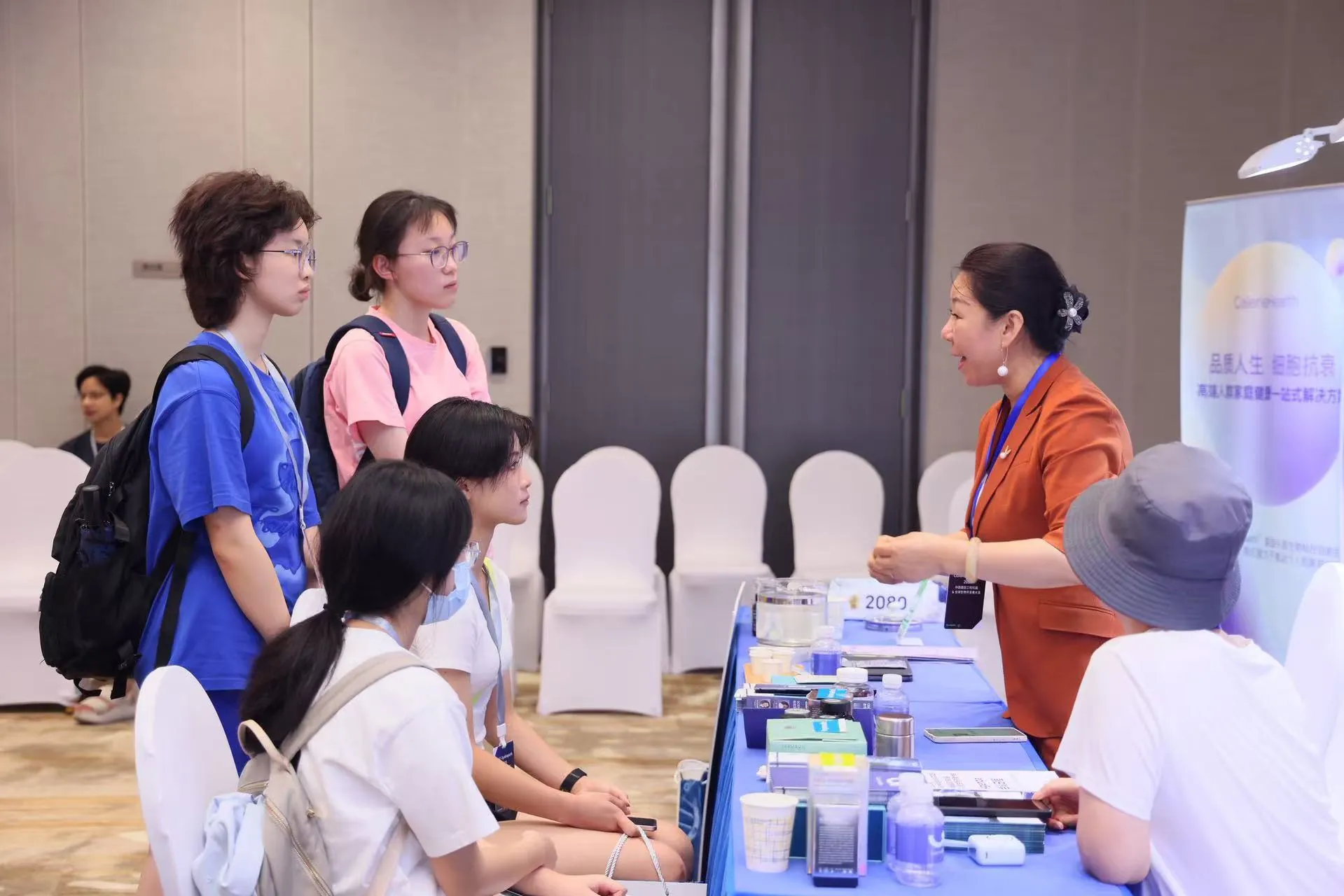
Engaged with representatives from Calerie Health to explore the market for skincare products and astaxanthin, and gained insights into entrepreneurial models.
Actively answering questions from other teams to refine our project design.
Presenting our project to iGEM teams across China.
Reflection
We were impressed by YNNU-China's protein design software and continued refining our protein modeling. Through discussions with CalerieHealth representatives, we gained deep insights into the skincare product market, including the commercialization status of certain cell factory products. This was crucial for understanding specific product positioning and consumer demand. Additionally, learning about their entrepreneurial model provided valuable business insights and startup experience for our team.
We consulted experts across various fields to explore the project's feasibility
Wang Chaogang, male, born November 1978, Ph.D., Associate Researcher at the School of Life and Marine Sciences, Shenzhen University, and Head of the Biotechnology Department. He concurrently serves as Deputy Director of the Guangdong Provincial Marine Algae Biotechnology Engineering Research Center and is recognized as a Shenzhen High-Level Talent. His primary research focuses on microalgal genetic engineering and the regulatory mechanisms of astaxanthin synthesis in Haematococcus pluvialis.
Purpose
When selecting a cell factory chassis, multiple factors must be considered, including the genetic manipulability of the chassis cell, growth rate, flexibility of metabolic pathways, and product accumulation capacity. In our preliminary exploration, we approached Professor Wang to discuss the feasibility of using E. coli as a chassis for astaxanthin production. Additionally, our wet-lab attempts to produce astaxanthin using a promoter-driven gene expression system yielded unsatisfactory results. We hope to gain insights from our discussions with Professor Wang.
Highlight
Professor Wang advised us that designing an effective cell factory primarily requires focusing on "a suitable chassis, appropriate genetic elements, well-designed pathways, and optimal cultivation conditions."
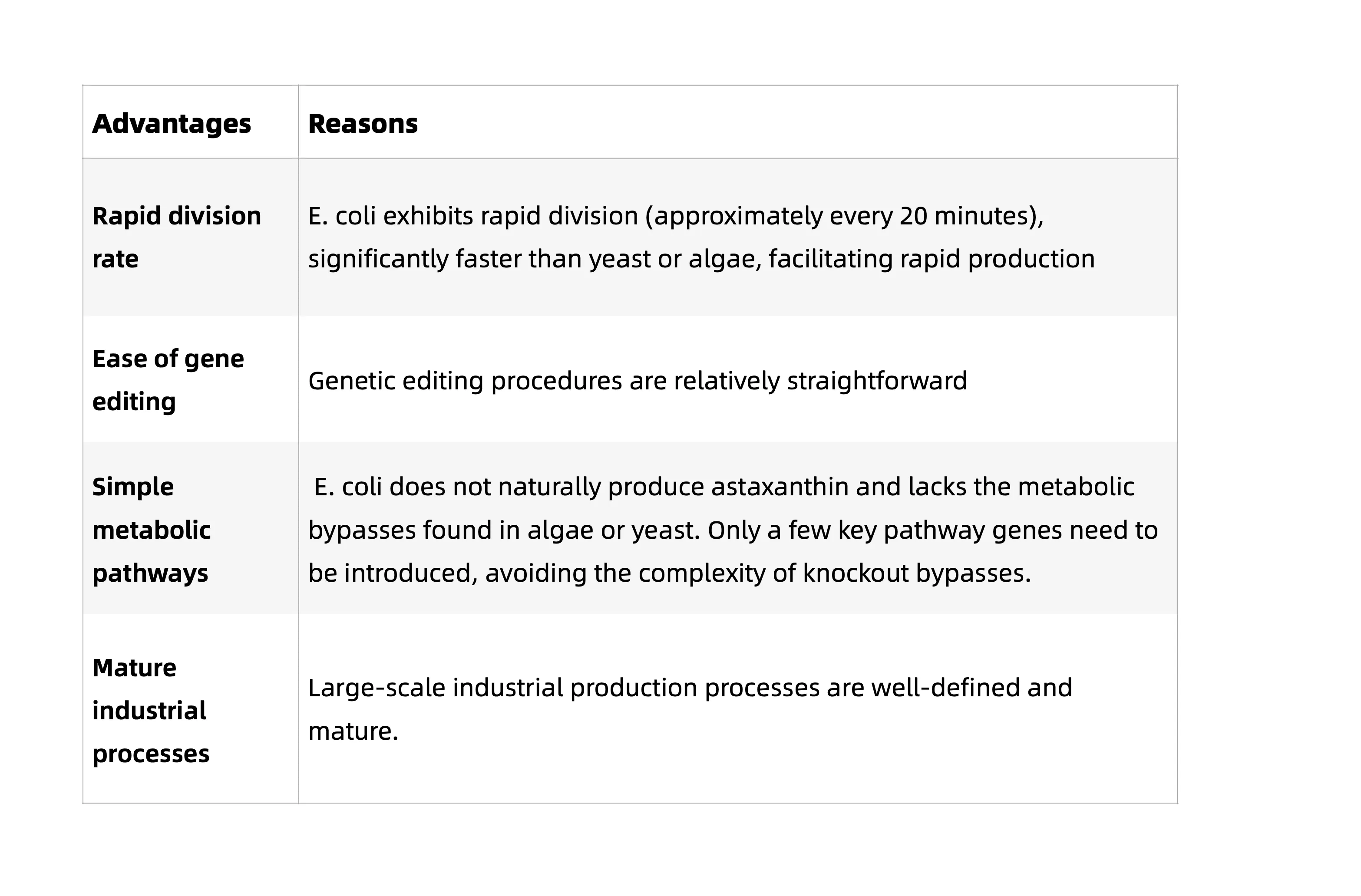
We presented our initial chassis options—E. coli or yeast—to Professor Wang. Given our limited expertise, we sought his advice on selecting the chassis. During the discussion, he affirmed E. coli as a viable chassis choice. Based on his insights, we compiled the advantages of using E. coli as our project chassis.
Reflection
Our target product, astaxanthin, faces challenges such as low production rates and complex bypass pathways when manufactured in eukaryotic cell factories like yeast. Ultimately, we finalized Escherichia coli as our project's chassis to ensure efficient astaxanthin production. Simultaneously, we decided to adopt a T7-pro dual promoter configuration (see comparison diagram below) to optimize gene expression efficiency.
 The First Modification of the Astaxanthin Synthesis Pathway
Located in the core area of Shenzhen's Guangming Science City, this park serves as a vital hub for the Guangdong-Hong Kong-Macao Greater Bay Area's biomedical industry. Leveraging the policy advantages of Guangming Science City and the Greater Bay Area, it is positioned as China's first specialized park for synthetic biology technology transfer, building an integrated research-economic ecosystem that harmonizes production, living, and ecological environments.
Purpose
To achieve industrial-scale astaxanthin production, our downstream project must follow a fermentation pathway to obtain the product. We visited the Guangming Experimental Base to explore the feasibility of this approach and gain insights into current strain mass production methods and associated risks.
Highlight
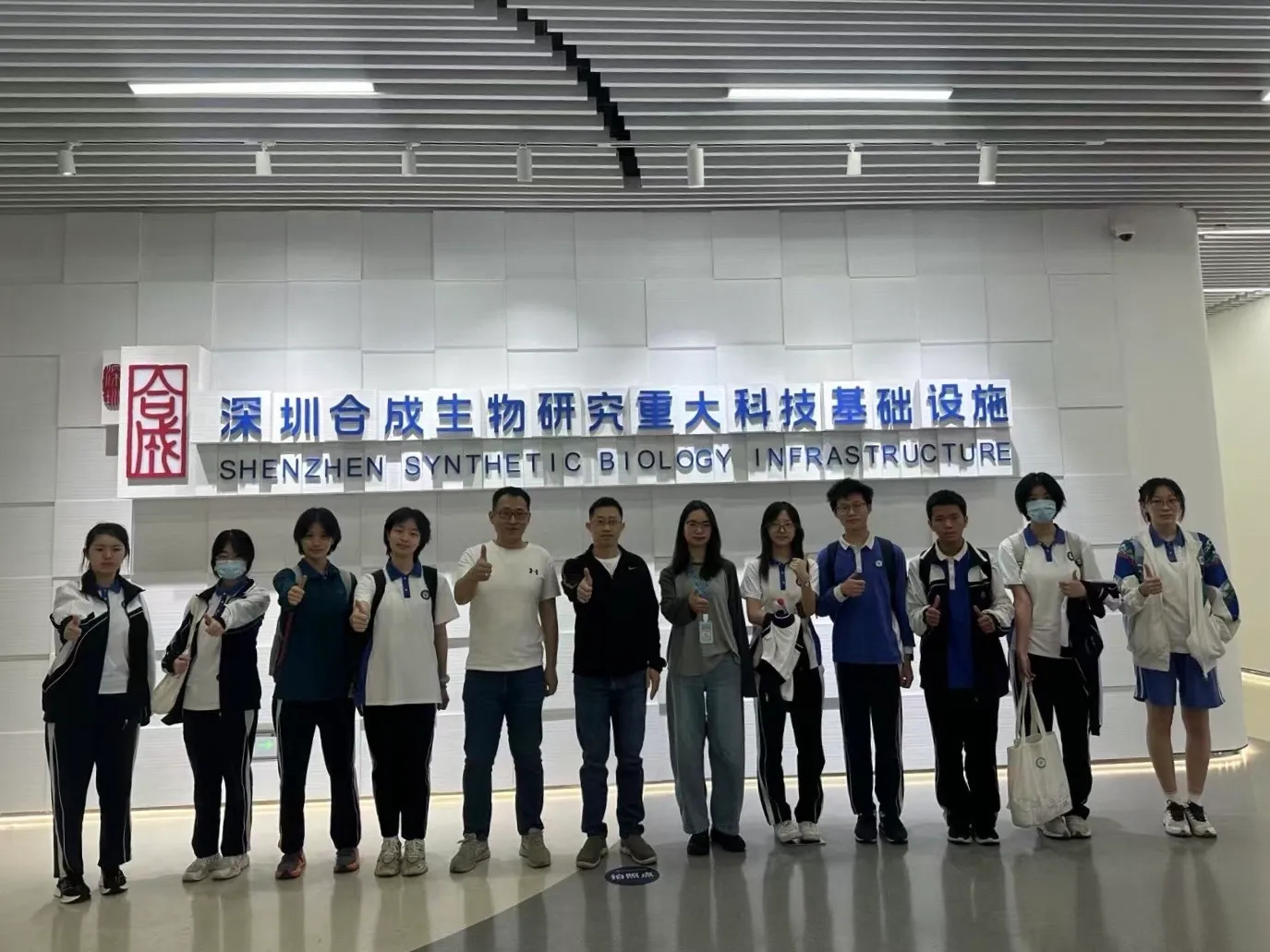
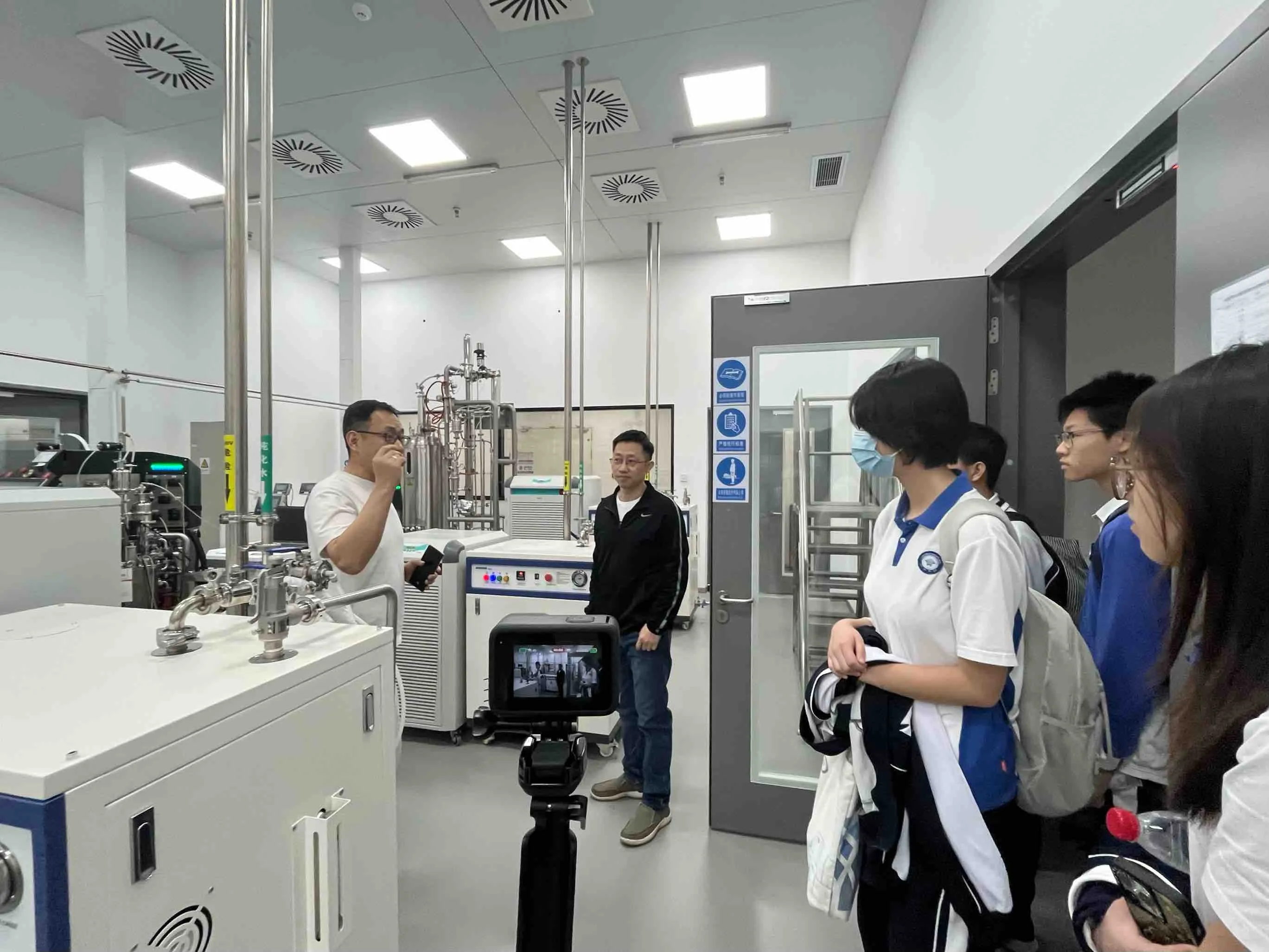
Researchers at the Guangming Experimental Base introduced us to their mature fermentation tank cultivation technology: featuring high-efficiency agitation and aeration systems for uniform mixing and efficient oxygen transfer; precise temperature control to ensure optimal microbial growth conditions; and integrated online pH and automatic dissolved oxygen probes for closed-loop fermentation process control. We also learned about risks in large-scale cultivation: failure in any component of this fermentation tank technology could easily lead to widespread cultivation failure.
Reflection
Fermentation technology is indispensable for obtaining downstream products in our project. Through discussions with researchers, we confirmed the feasibility of our approach, validating our plan to utilize fermentation tanks in the project's later stages. Furthermore, we learned critical considerations in fermentation technology, enabling us to prioritize key factors when evaluating fermentation tank implementation.
Wang Jiangxin (b. December 1973), Ph.D. in Genetics, Professor at the School of Life and Marine Sciences, Shenzhen University. Primary research focuses on microalgal systems biology, synthetic biology, and single-cell omics, concentrating on fundamental research and industrial applications of dinoflagellates.
Purpose
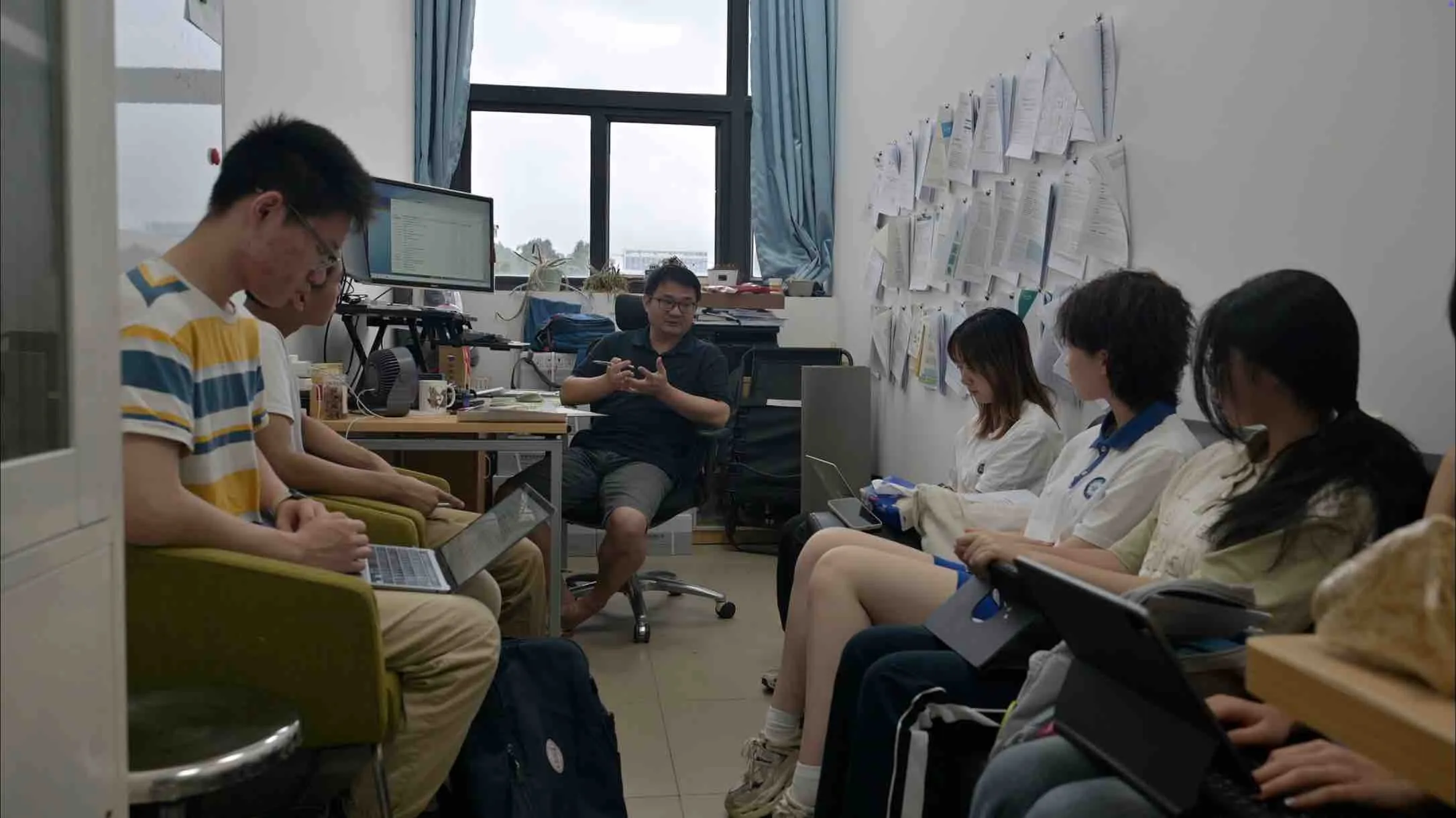
How to extract astaxanthin and further utilize it in subsequent products has been a persistent challenge for us. We reached out to Professor Wang Jiangxin to consult on suitable astaxanthin extraction methods and explore more specialized approaches to enhance efficiency.
Highlight
After reviewing literature, we proposed using cell disruption technology to extract astaxanthin and discussed its feasibility with Professor Wang. He noted that physical methods like pressing or ultrasonication can alter product structure, converting the highly active all-trans isomer into the less active cis isomer. Chemical methods such as enzymatic hydrolysis may also modify astaxanthin's structure. Cell disruption appears an ideal extraction method, but temperature control is critical. High-temperature disruption (40-60°C) risks damaging activity, while low-temperature disruption preserves active components—ideally retaining up to 98% activity, making it our optimal choice.
We consulted Professor Wang regarding gene selection and learned that the algal strains Haematococcus pluvialis exhibit high expression efficiency for their endogenous CrtE and CrtZ genes. He suggested replacing the corresponding genes in our synthetic pathway with these algal-derived variants.
Professor Wang also introduced multiple methods to enhance metabolic pathway efficiency, noting that targeted modification of proteases is among the most effective. During wet experiments guided by our initial pathway design, we observed carotenoid accumulation. Inspired by the professor, we decided to perform targeted modification on the key enzyme catalyzing carotenoid conversion (beta-carotene hydroxylase).
Reflection
We opted to use low-temperature cell disruption technology to extract our product, astaxanthin. We replaced the original CrtE and CrtZ in the genetic pathway with HpCrtE and HpCrtZ, respectively. Additionally, we decided to learn and apply targeted modification methods to redesign the beta-carotene hydroxylase, aiming to increase its catalytic rate and thereby boost astaxanthin yield.
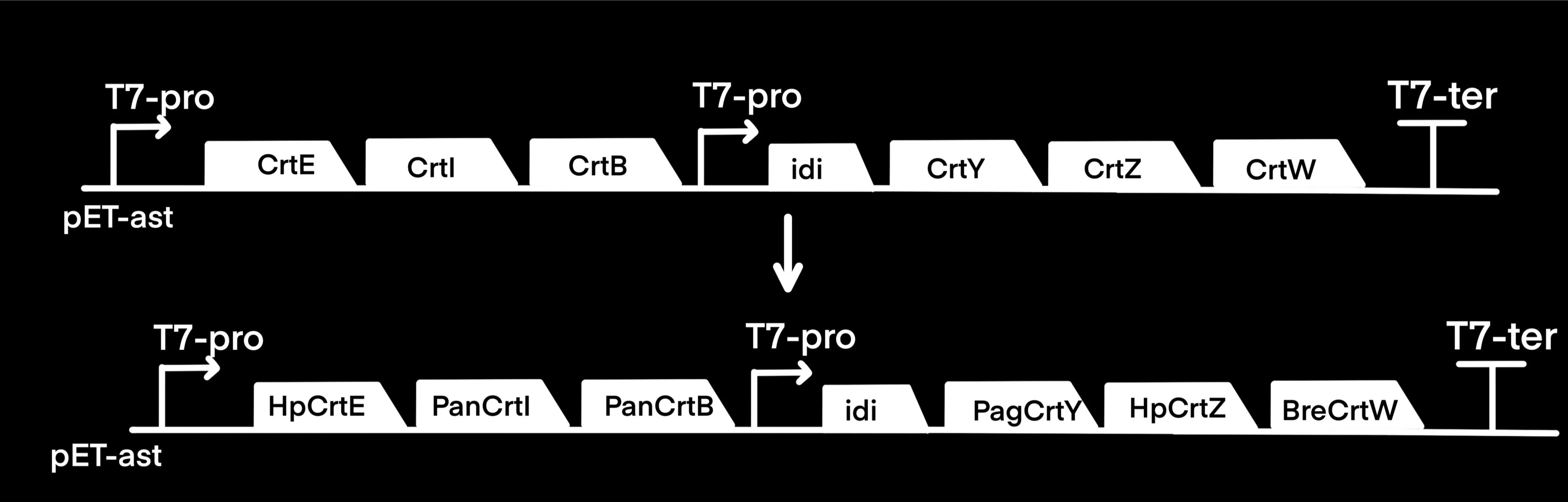 The Second Modification of the Astaxanthin Synthesis Pathway
Luo Xiongpeng, male, serves as the Chief Aesthetic Physician at Shenzhen Jiangnan Sunshine Medical Aesthetic Hospital, specializing in cosmetic surgery. The Shenzhen Municipal Health and Family Planning Commission issued his certification (approval).
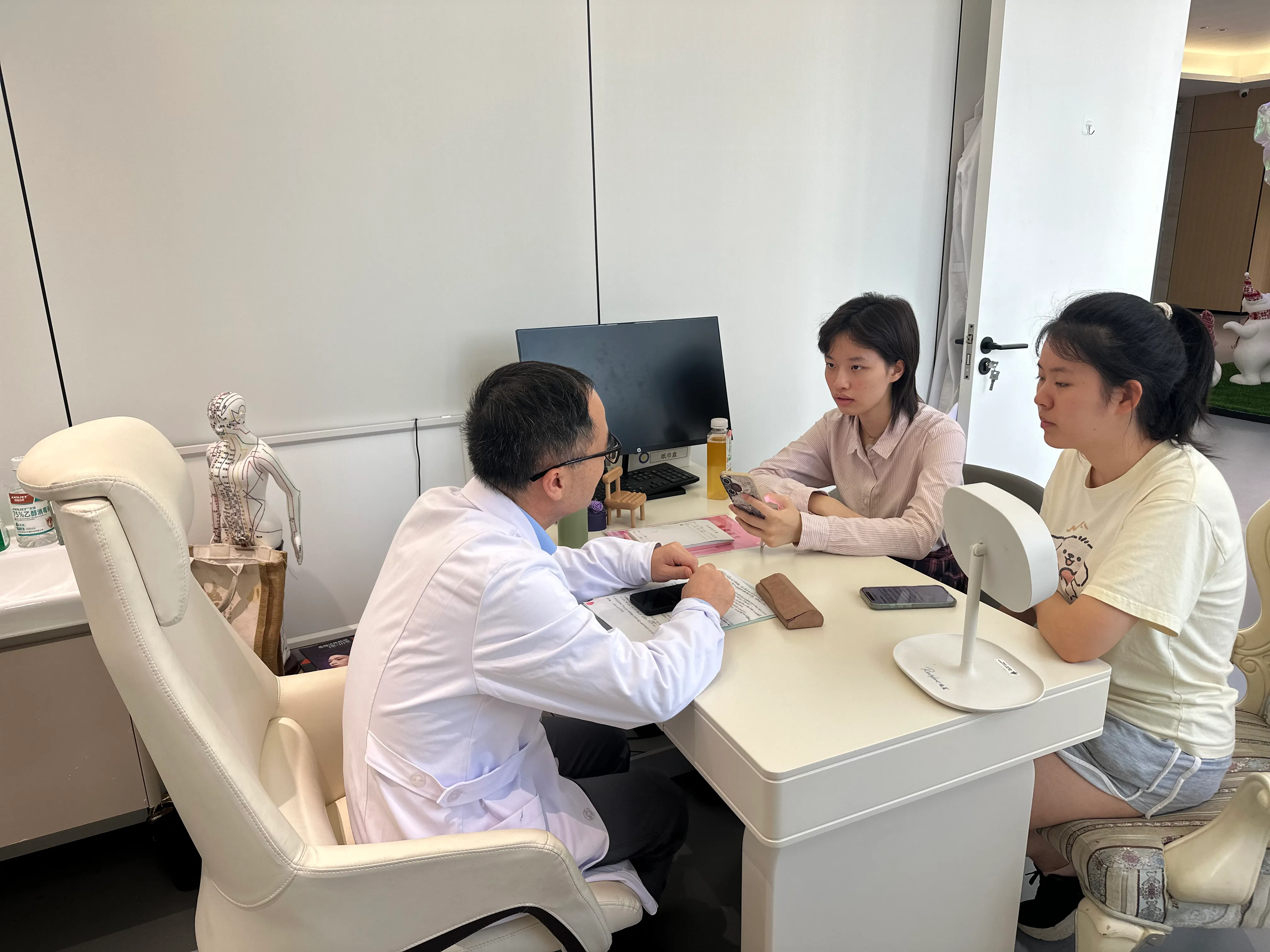
To explore astaxanthin's anti-aging efficacy, understand current antioxidant products and related medical aesthetics offerings, and evaluate astaxanthin's effectiveness and safety as an anti-aging ingredient, we consulted Dr. Luo Xiongpeng.
Highlight
The “internal accelerators” of aging are free radical accumulation and collagen loss. While UV radiation isn't a direct source of free radicals, it accelerates skin damage through inflammatory pathways.
Astaxanthin exhibits significantly higher antioxidant potency than vitamin C and flaxseed oil. When dosed accurately and avoided by individuals with algae allergies, it serves as a safe and effective anti-aging active ingredient. However, astaxanthin itself is highly prone to oxidative deactivation. Encapsulating it in oil-based carriers (such as essential oils) or nanoemulsions can substantially reduce degradation risks from moisture evaporation while enhancing skin penetration and bioavailability.
Currently, shaqianzi-infused cosmetics remain virtually nonexistent; skincare products predominantly feature “conceptual additions” lacking verifiable content testing and efficacy reports, creating a market entry window for new brands.
Oral astaxanthin delivers faster systemic benefits, but for localized facial concerns like sagging or pigmentation, topical application (via high-concentration essential oil masks or microneedling with hydrating injections) enables precise delivery and accelerated results.
The peak ROS (reactive oxygen species) period following laser or light-based aesthetic procedures presents an ideal application scenario for astaxanthin's scavenger role. It significantly shortens the redness and swelling resolution cycle, enhancing post-procedure satisfaction and repeat purchase rates for clinics.
Reflection
We understand astaxanthin possesses anti-aging and antioxidant benefits. To create a truly unique astaxanthin product, we should pursue combined innovation across four dimensions: category gap (cosmetics), technical barriers (stable delivery), target audience segmentation (post-procedure repair/sensitive skin/silver-haired consumers), and regulatory endorsement (medical device certification/clinical data). Focusing solely on increasing astaxanthin concentration in production is insufficient. Through discussions with doctors, we solidified our commitment to developing cosmetics.
Purpose
Biosysen is a synthetic biology company specializing in species design and application, an alumni enterprise of QiJi Innovation Forum, and backed by Sequoia Capital as the lead investor. It aims to guide species design with software engineering principles, unlocking the full productivity potential of the biotech industry.
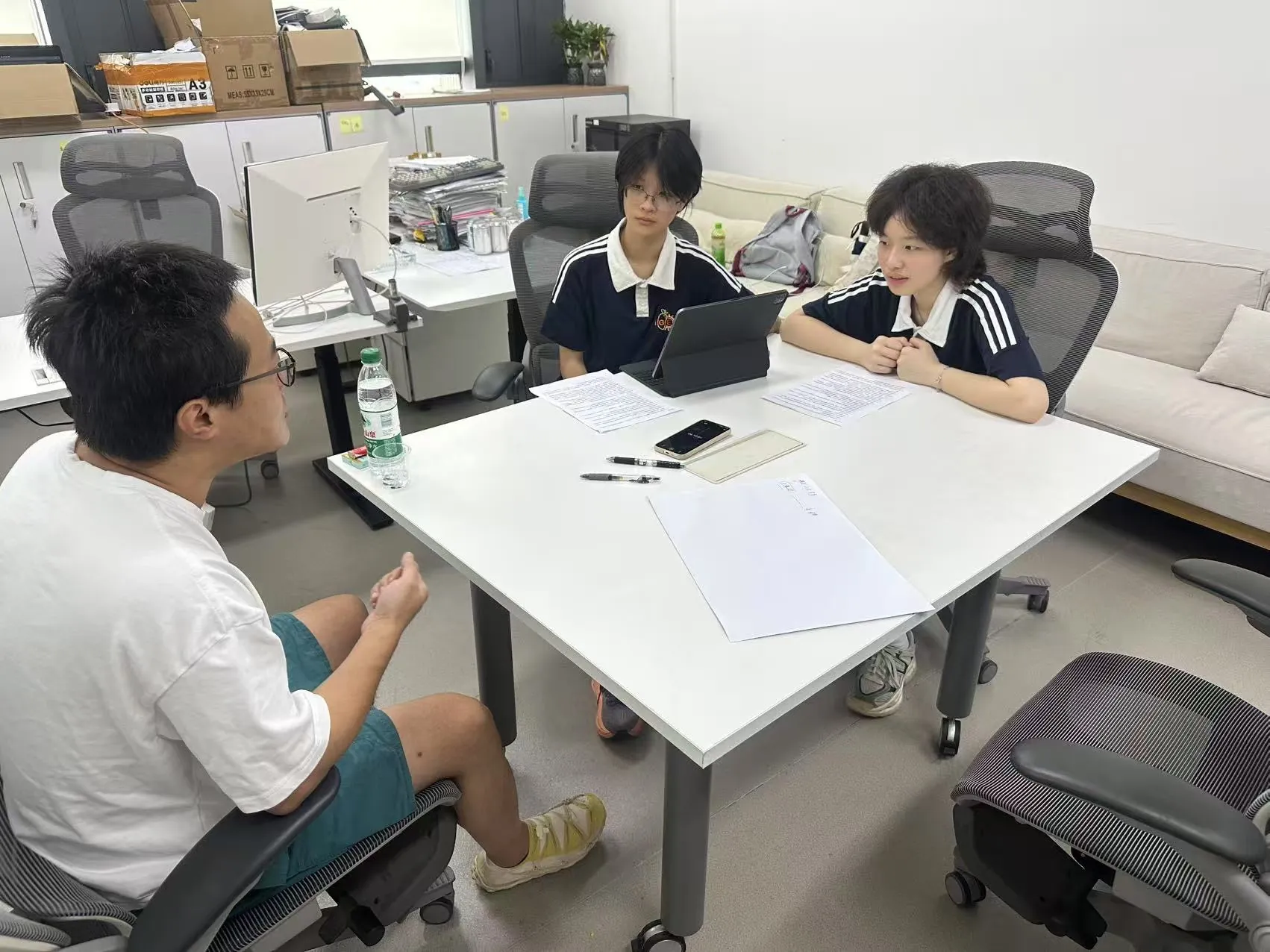
After concluding our previous human practice activities, we were eager to explore entrepreneurship. To investigate the feasibility of starting a business and understand the challenges synthetic biology products face in market promotion, we reached out to Biosysen, a synthetic biology company based in Shenzhen.
Highlight
The head of Beisheng Biotech advised us that finding consumers requires thick skin and strong execution. Secondly, one must understand the requirements of national authorities and clarify ideas before proceeding.
Regarding entrepreneurship, the representative advised against aiming too high or trying to do everything at once. Instead, he emphasized acting within one's capabilities, focusing on specific tasks, and moving beyond mere ideas to tangible action.
He also noted that the cosmetics market is highly saturated. Other companies have considered the same opportunities, so we must identify unique product features. For instance, avoid focusing solely on widely recognized benefits. Instead, carefully identify two or three distinct characteristics, leverage them effectively, and explore additional functionalities beyond the obvious.
Promoting gene-editing products is challenging, and the company has faced significant setbacks. Biotechnology should be utilized, but with caution. U.S. certification reflects societal norms—align with societal rhythms, actively promote awareness, and while technical safety isn't emphasized, product safety must be assured. Furthermore, to market such products, they must demonstrate competitive advantages over traditional alternatives.
Reflection
At Beisheng Bio, we gained valuable insights. From a corporate perspective, we learned that balancing product investment requires complementing short-cycle products with long-cycle ones—a crucial consideration for our own product development. Regarding promotion, we must highlight our product's advantages while clearly addressing safety concerns to ensure consumer satisfaction and peace of mind.
Purpose
Consumer Testing Technology Co., Ltd. (CTT) is a third-party technical service provider specializing in testing and inspection for consumer goods, food, cosmetics, agricultural products, and environmental samples. With a professional and efficient technical team, and adhering to the service philosophy of "Professional Service • Foundation of Trust," CTT has established branches and offices in multiple regions including Guangdong, Zhejiang, Fujian, Anhui, and Hanoi, Vietnam, with a total laboratory center area of nearly 30,000 square meters.
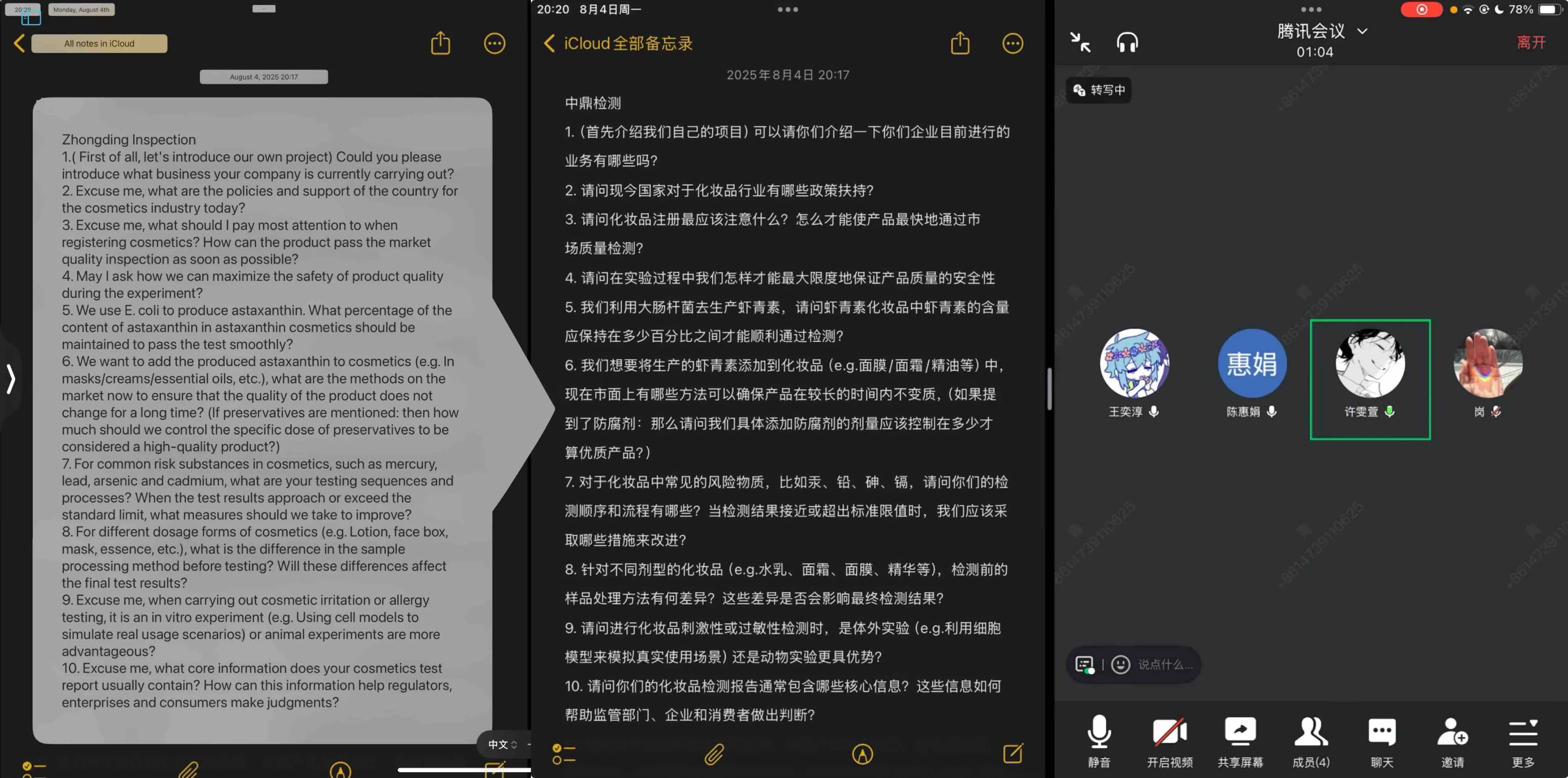
To understand the materials required for market launch of cosmetics and skincare products, the applicable laws and regulations, storage requirements during transportation, and promotional considerations (e.g., packaging and advertising), we contacted the responsible party at Zhongding Testing. Their company primarily provides cosmetics enterprises with professional services covering the entire product lifecycle, including but not limited to: cosmetic safety compliance testing, cosmetic efficacy substantiation services, export compliance testing for cosmetics, and cosmetic registration and filing agency services. We seek to understand the above information and explore potential opportunities for future collaboration.
Highlight
Government Regulation and Safety Standards: The cosmetics industry is subject to stringent government oversight. The National Medical Products Administration (NMPA) enforces a registration and filing system for cosmetics and regularly updates the list of prohibited ingredients, including cannabis-derived materials.
Regulations on Ingredient and Efficacy Claims: Claims regarding cosmetic ingredients and efficacy are strictly restricted to prevent exaggerated advertising and consumer misinformation. For example, the NMPA explicitly prohibits cosmetics from claiming to contain "stem cells" or being "food-grade," and has implemented cleanup campaigns targeting such products.
Online Sales Regulation: To strengthen oversight of online cosmetics sales, the NMPA issued the "Administrative Measures for Online Cosmetics Sales," requiring platform operators to disclose product information comprehensively, truthfully, accurately, clearly, and promptly, ensuring consistency with registered or filed documentation.
Regarding safety assessment and risk monitoring, starting May 1, 2025, the full-version safety assessment system will be fully implemented for cosmetic registration and filing. This strengthens the risk prevention and control system, shifting regulatory focus from "post-event handling" to "pre-event prevention."
Regarding raw material innovation and supportive policies, the NMPA's "Several Provisions on Supporting Cosmetic Ingredient Innovation" provides policy safeguards for ingredient innovation, encouraging enterprises to increase R&D investment.
From production to market launch, cosmetics undergo three core quality and safety checks: factory testing (batch control), pre-market testing (compliance clearance), and safety assessment (comprehensive evaluation). Post-market products remain subject to ongoing regulatory sampling inspections. Each step is critical and indispensable. Enterprises must strictly adhere to the latest national regulatory requirements in practice.
Reflection
We are beginning to explore issues related to project legality and compliance, long-term development standards, and safety assessments.
To maximize product safety assurance, we have decided to:
1. Strictly comply with laws, regulations, and industry standards
2. Strengthen raw material procurement and supplier management
3. Standardize production processes
4. Enhance production environment and equipment management
5. Implement a comprehensive quality inspection system
6. Establish traceability and recall systems
7. Enhance employee training and foster a quality-driven culture
8. Implement continuous improvement and risk assessment
Through these measures, cosmetic manufacturers can maximize product safety during production, ensuring consumers use safe and reliable cosmetics.
After completing stakeholder surveys, we summarized their feedback and insights. Guided by reflection, responsiveness, and accountability, human practices have meaningfully driven the comprehensive upgrade of our iGEM project, expanding our impact to benefit a broader audience.
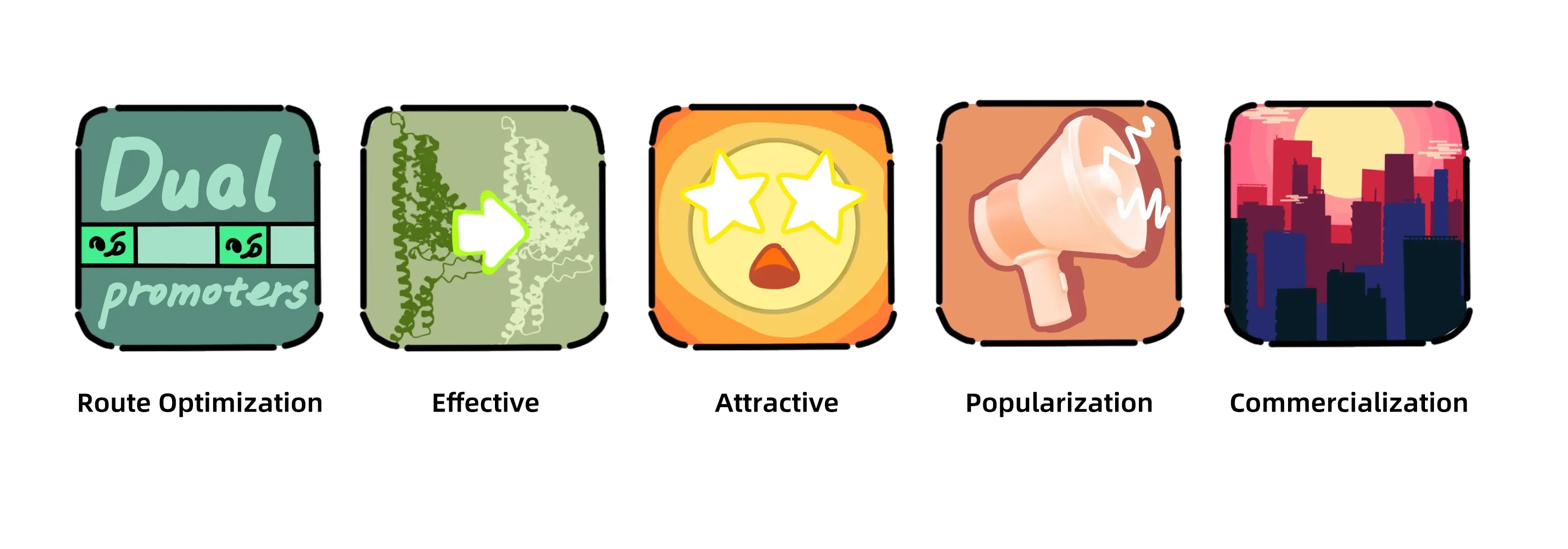
Following the conclusion of human practice activities, we began refining the overall design of our project pathway based on stakeholder feedback.
Following discussions with the principal investigator (PI), we selected Escherichia coli as our chassis organism to introduce the astaxanthin synthesis gene and express astaxanthin.
Following discussions with Professor Wang Chaogang, we decided to switch to a dual-promoter system.
Following discussions with Professor Wang Jiangxin, we replaced the original pathway components CrtE and CrtZ with the algal endogenous enzymes HpCrtE and HpCrtZ from Haematococcus pluvialis.
The Second Modification of the Astaxanthin Synthesis Pathway
Following our visit to the Bright Base, we confirmed that fermentation technology would be used for the downstream industrial production of astaxanthin.
Simultaneously, we adopted the low-temperature cell-wall disruption method endorsed by Professor Wang Jiangxin as our approach for obtaining astaxanthin products.
Following Professor Wang Jiangxin's guidance, we decided to employ machine learning for directed evolution of beta-carotene hydroxylase to enhance enzyme efficiency and thereby increase astaxanthin yield.
Given our limited expertise in this area, we first needed to acquire knowledge. We contacted a research group at Shenzhen University specializing in enzyme modification and consulted Senior Brother Liu for guidance on both theoretical knowledge and practical methodologies.
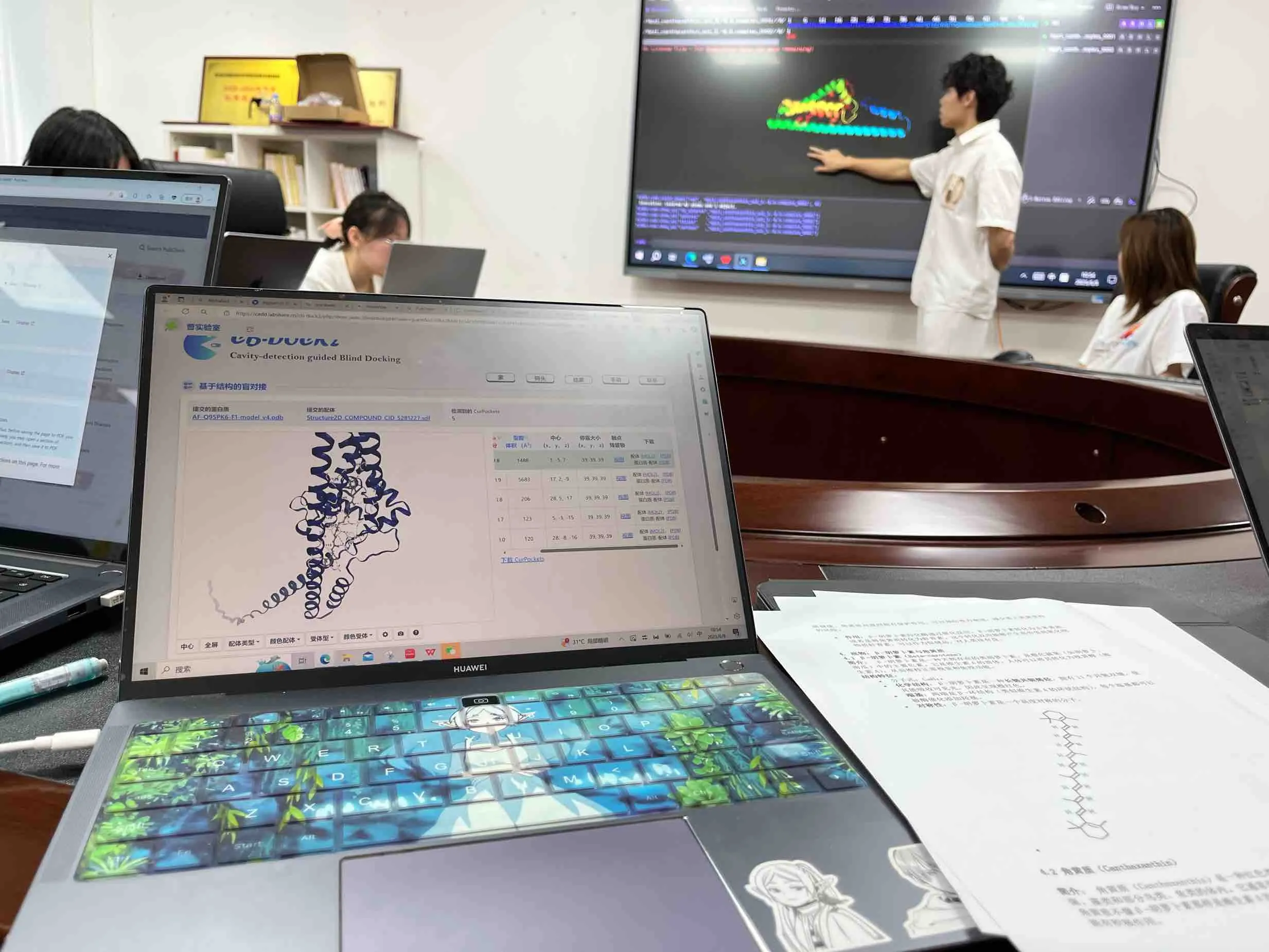
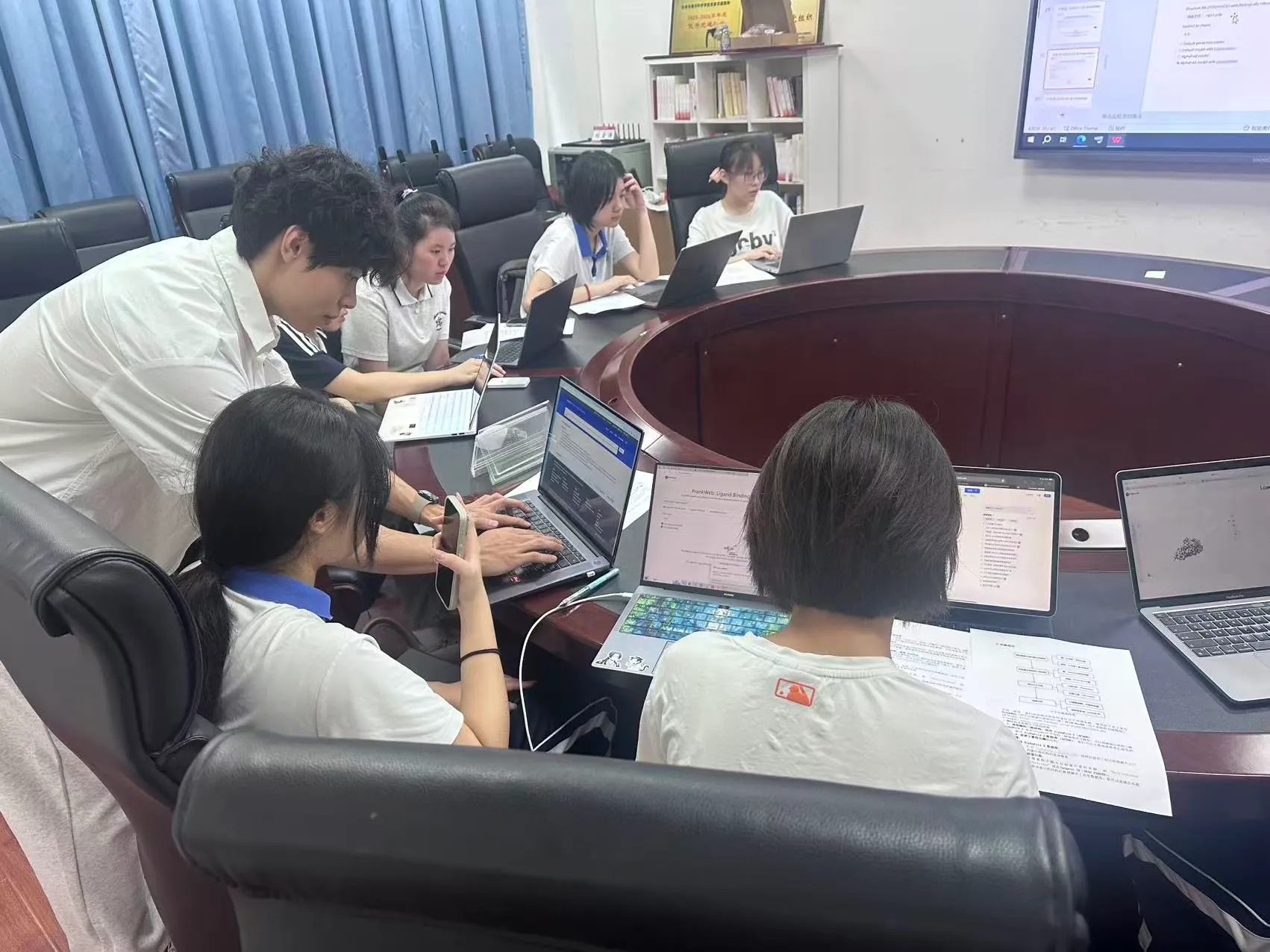
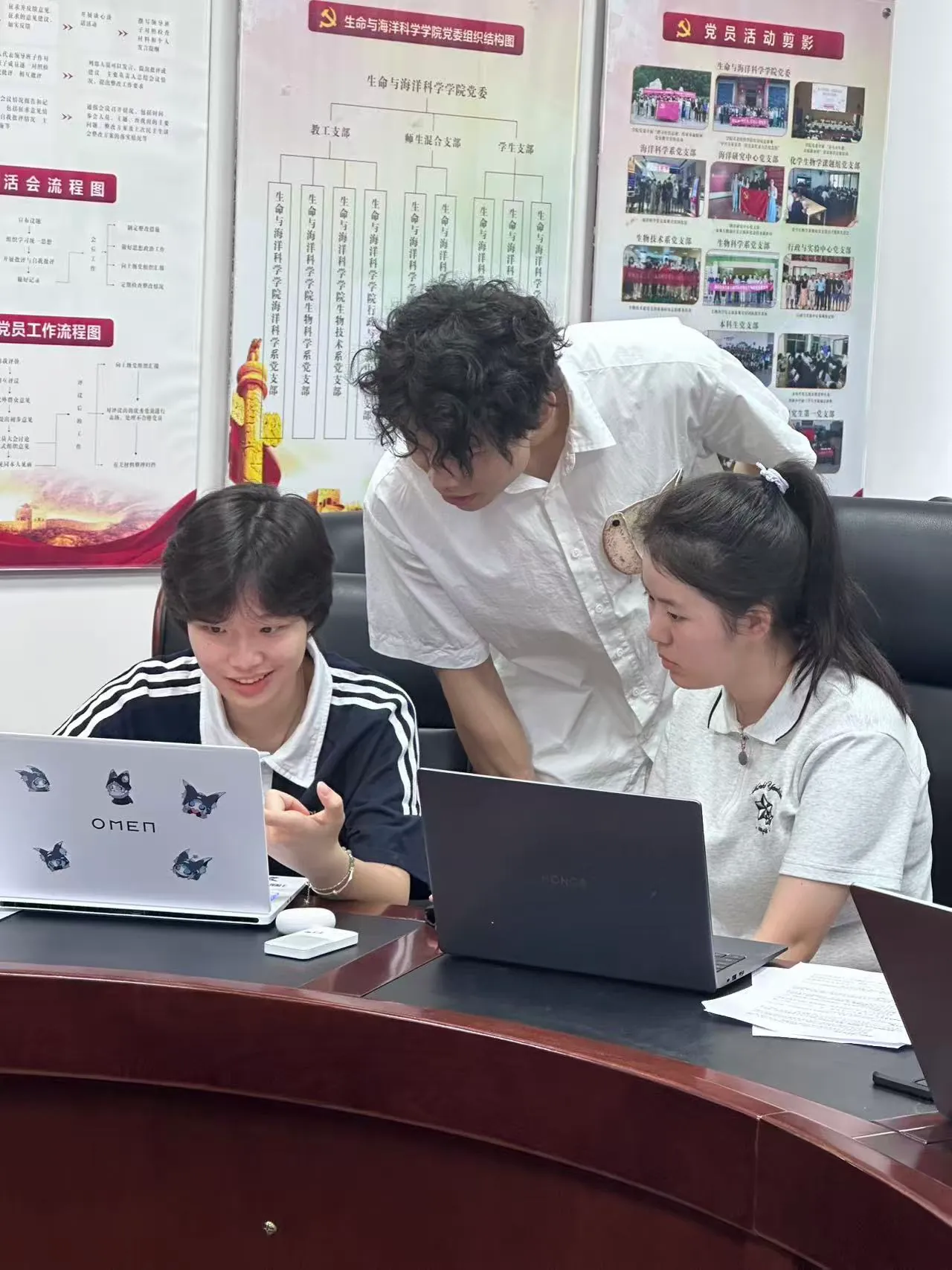
β-Carotene Hydroxylase from Haematococcus pluvialis (HpCrtZ) is a key enzyme which converted canthaxanthin to astaxanthan. We learned to obtain canthaxanthin and β-carotene from the PubChem database with CID 5281227 and CID 528048, respectively. Model files for β-carotene hydroxylase and substrates were uploaded to the CB-Dock2 website where molecular docking simulations were performed.
We performed an alanine scan on the pocket region, aiming to identity the critical amino acids affecting the enzyme activity. Sequentially, molecular docking was performed by CB-Dock2 to obtain the binding energy between substate and mutants. Based on the principle that higher binding ability between enzyme and substrate generally has lower binding energy, four mutants were subjected to astaxanthin productivity analysis. We register them as new parts as HpCrtZILE102ALA(BBa_255CQOV8), HpCrtZSER96ALA(BBa_25YM5299), HpCrtZCYS191ALA(BBa_259A010E), and HpCrtZTHR213ALA(BBa_259A010E). After that, we also conducted Molecular docking of mutants with β-carotene and canthaxanthin.
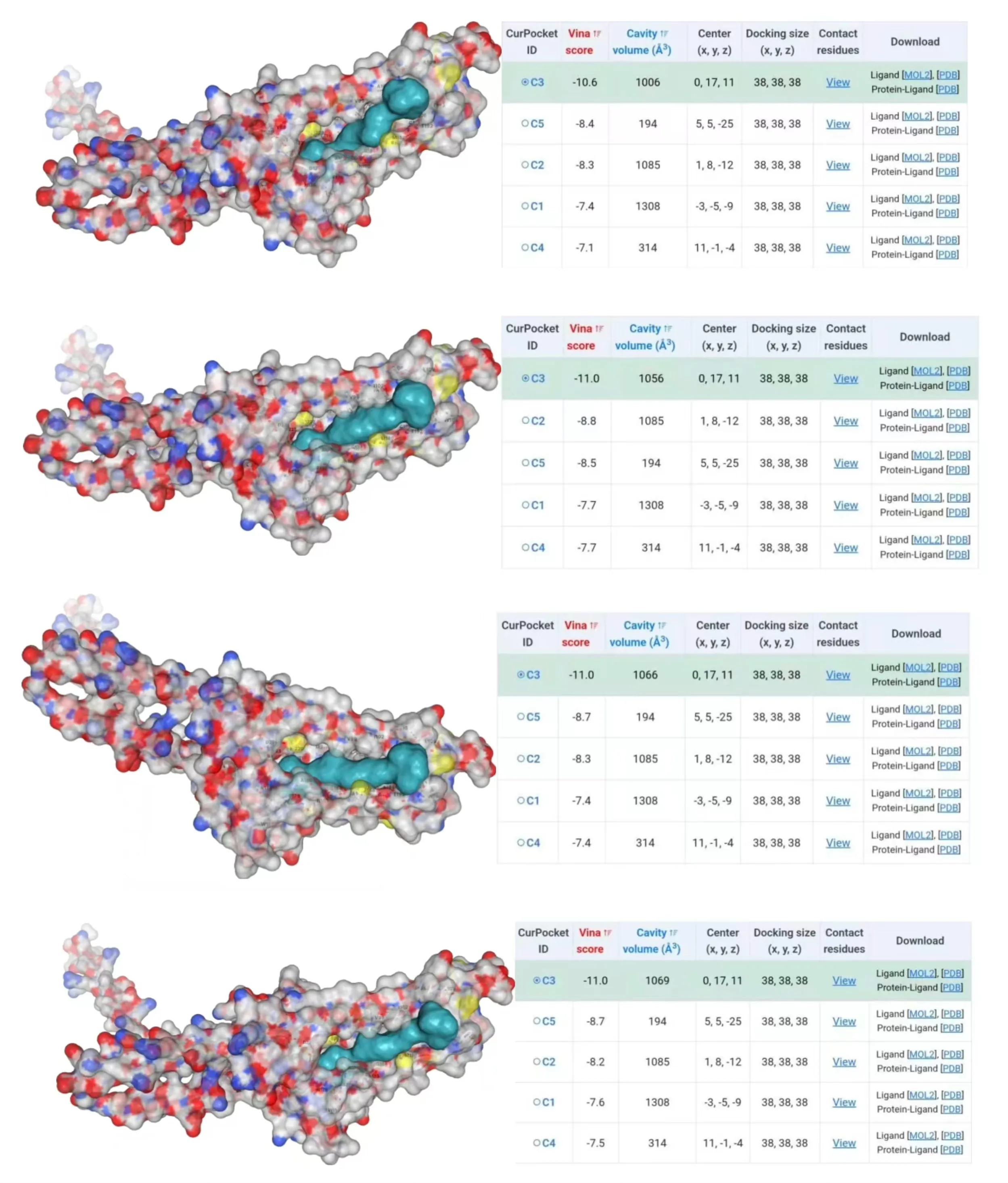 Four high-quality mutants
For details, see model (hyperlink)
Our primary product is astaxanthin produced by our cell factory. Incorporating creative suggestions from Shenzhen citizens and theater actors, we decided to expand into secondary product design. We actively adopted recommendations from Bisheng Bio's leadership, employing trendy designs to enhance our project's appeal.
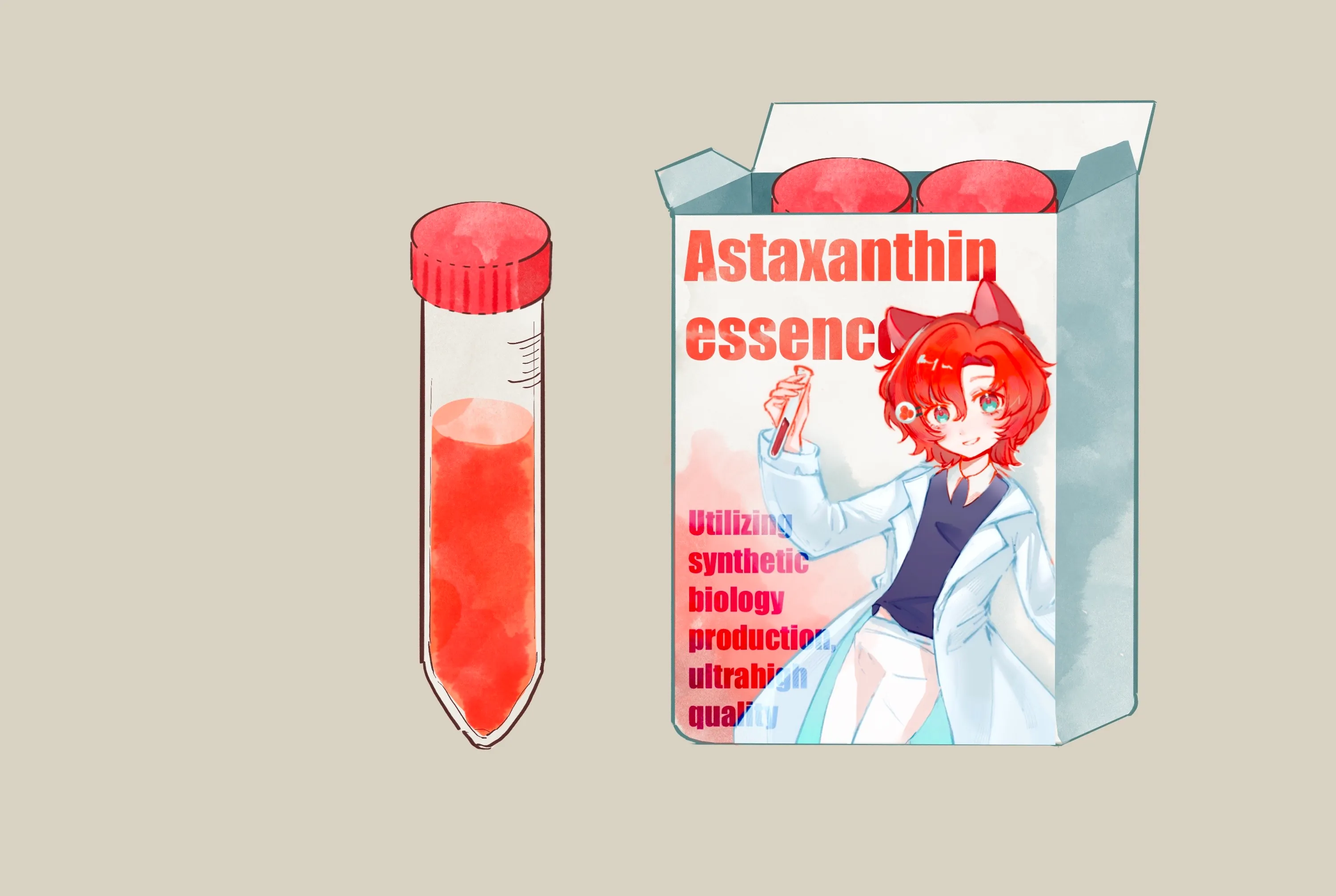
The first product is an astaxanthin essence. Research indicates that a significant portion of young consumers favor cartoon and anime character designs. Therefore, we created an animated character for our team to represent our brand identity. For the essence packaging, we utilized a design resembling laboratory centrifuge tubes to highlight our synthetic biology aspect and offer consumers a novel experience.
The second product is our enhanced red makeup line, primarily targeted at theatrical performers. To align with traditional Chinese cultural themes, we employed ink-wash painting techniques for the cover art, while the eye makeup incorporates elements inspired by Chinese opera.

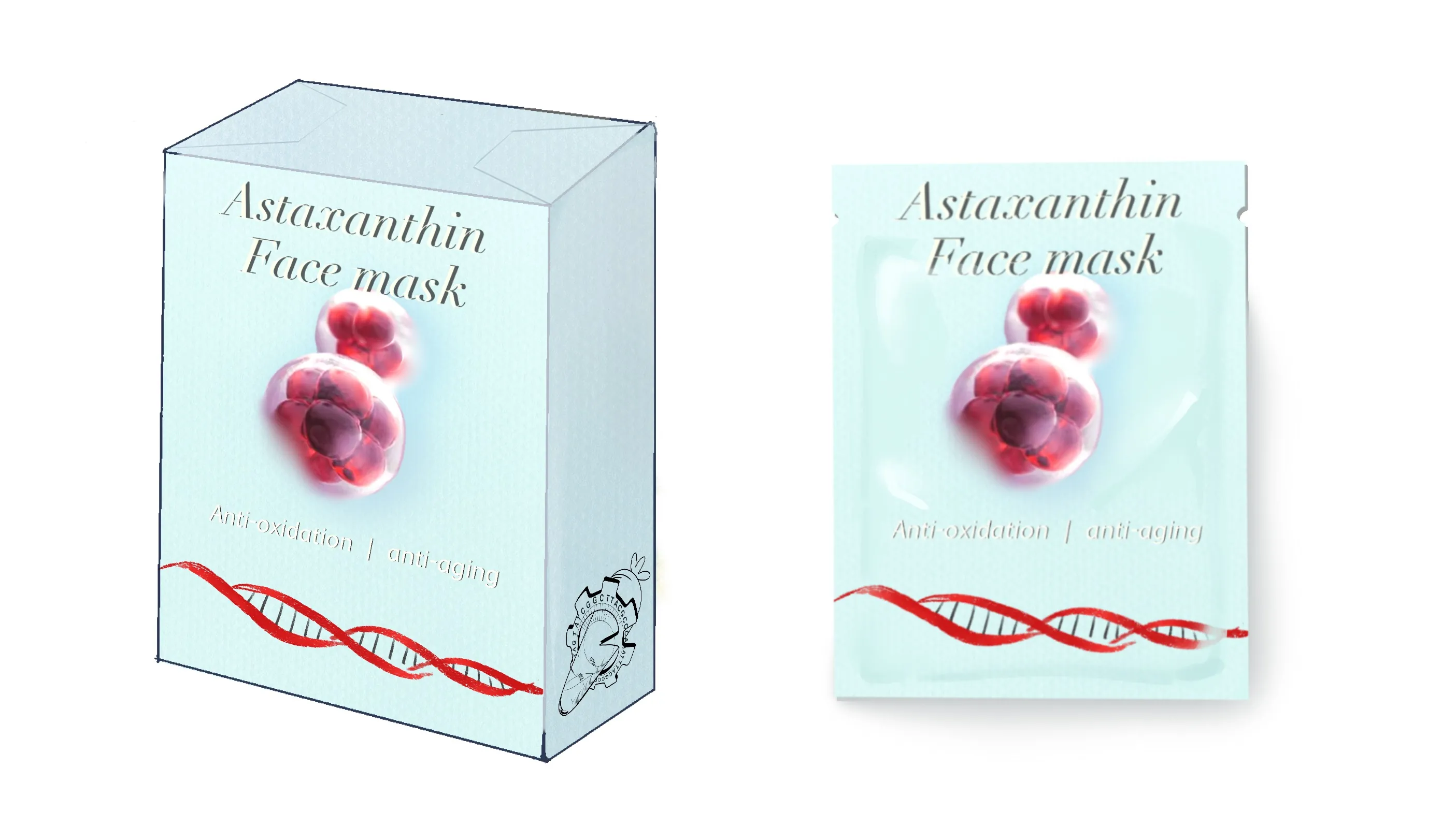
The third product is an astaxanthin-infused mask featuring a clean, minimalist design to attract customers seeking anti-aging and skin protection benefits.
Online
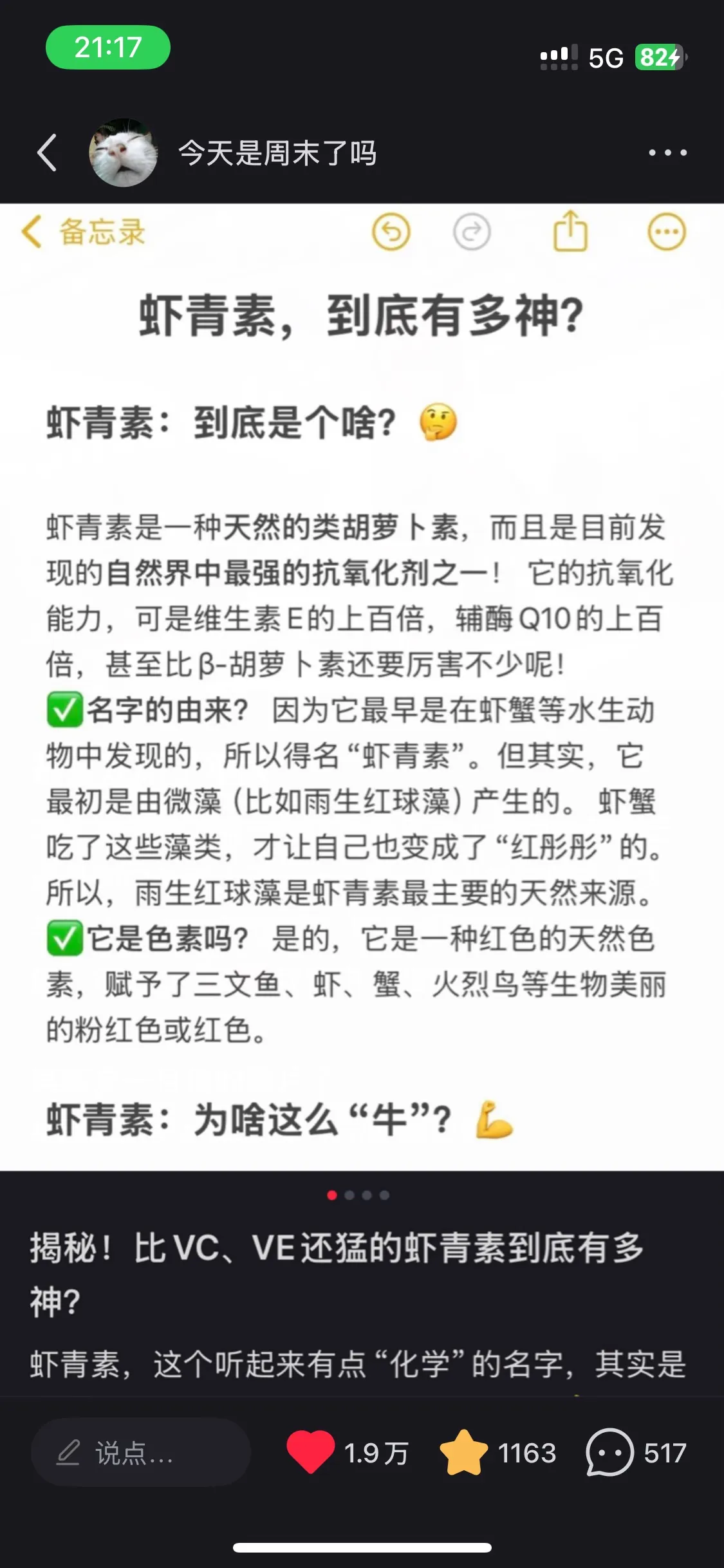
To raise public awareness of astaxanthin, we published articles about it on Xiaohongshu, promoting its benefits.
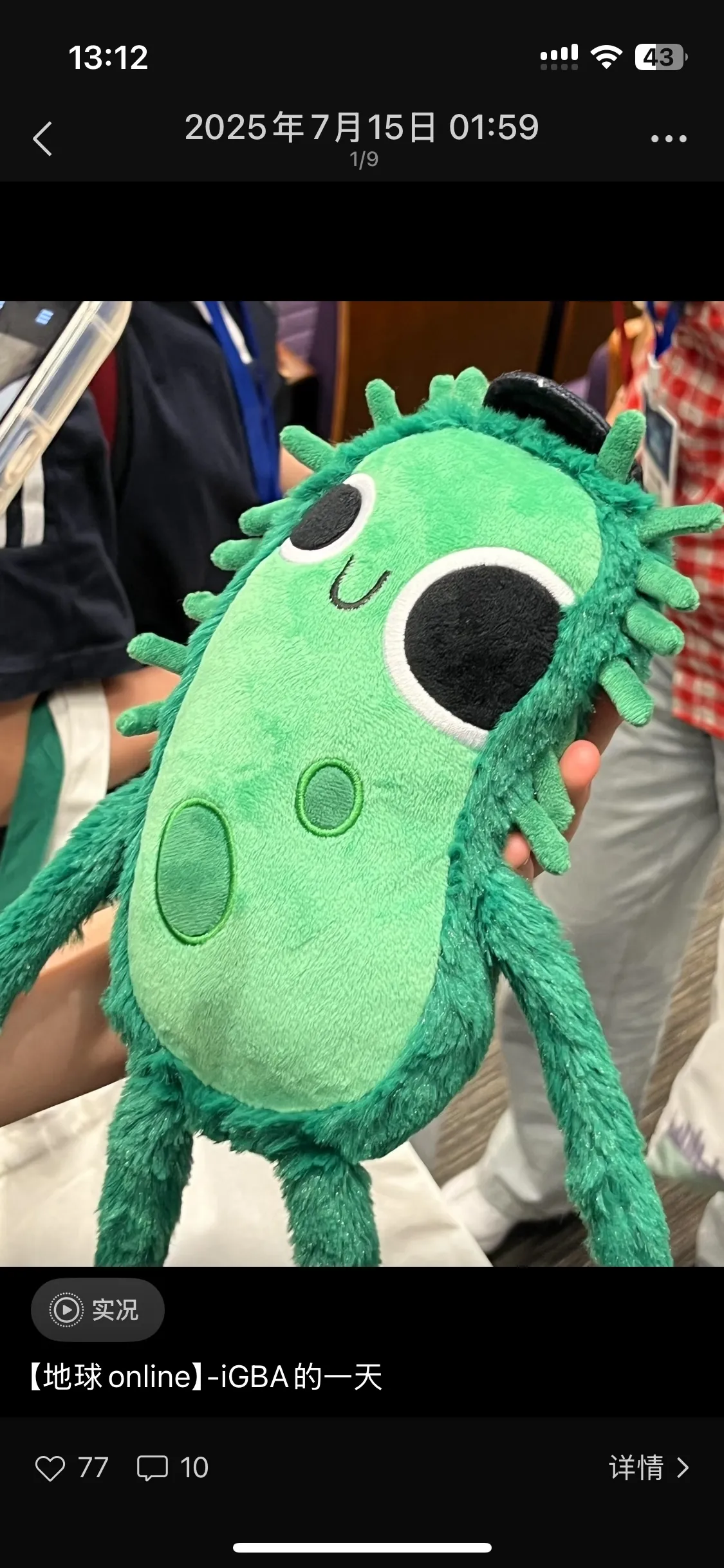
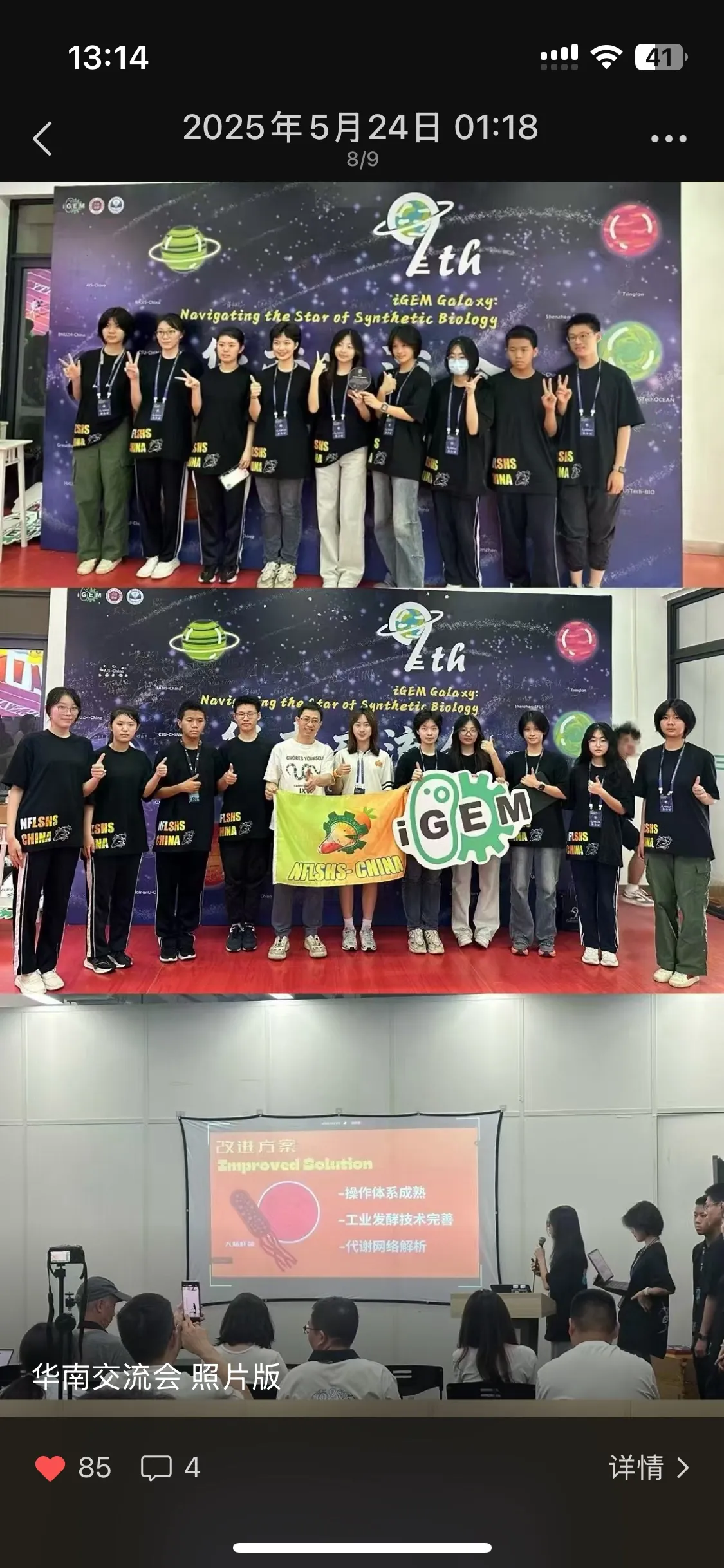
Additionally, after each IGEM offline event, I share relevant vlogs on my personal WeChat Moments and Video Account, explaining our project to classmates and friends. This promotes IGEM through social media, increasing awareness of the competition.
Offline
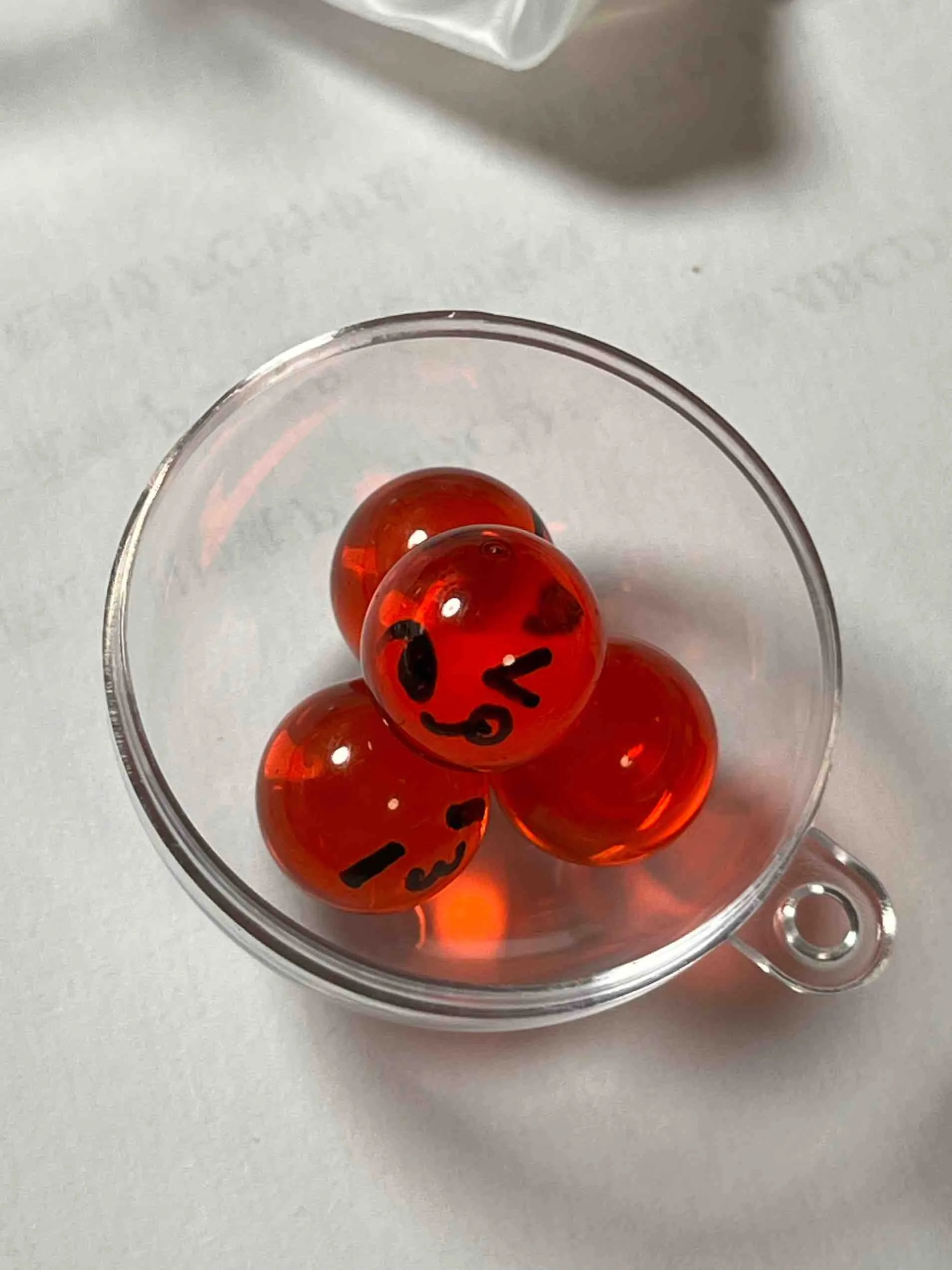
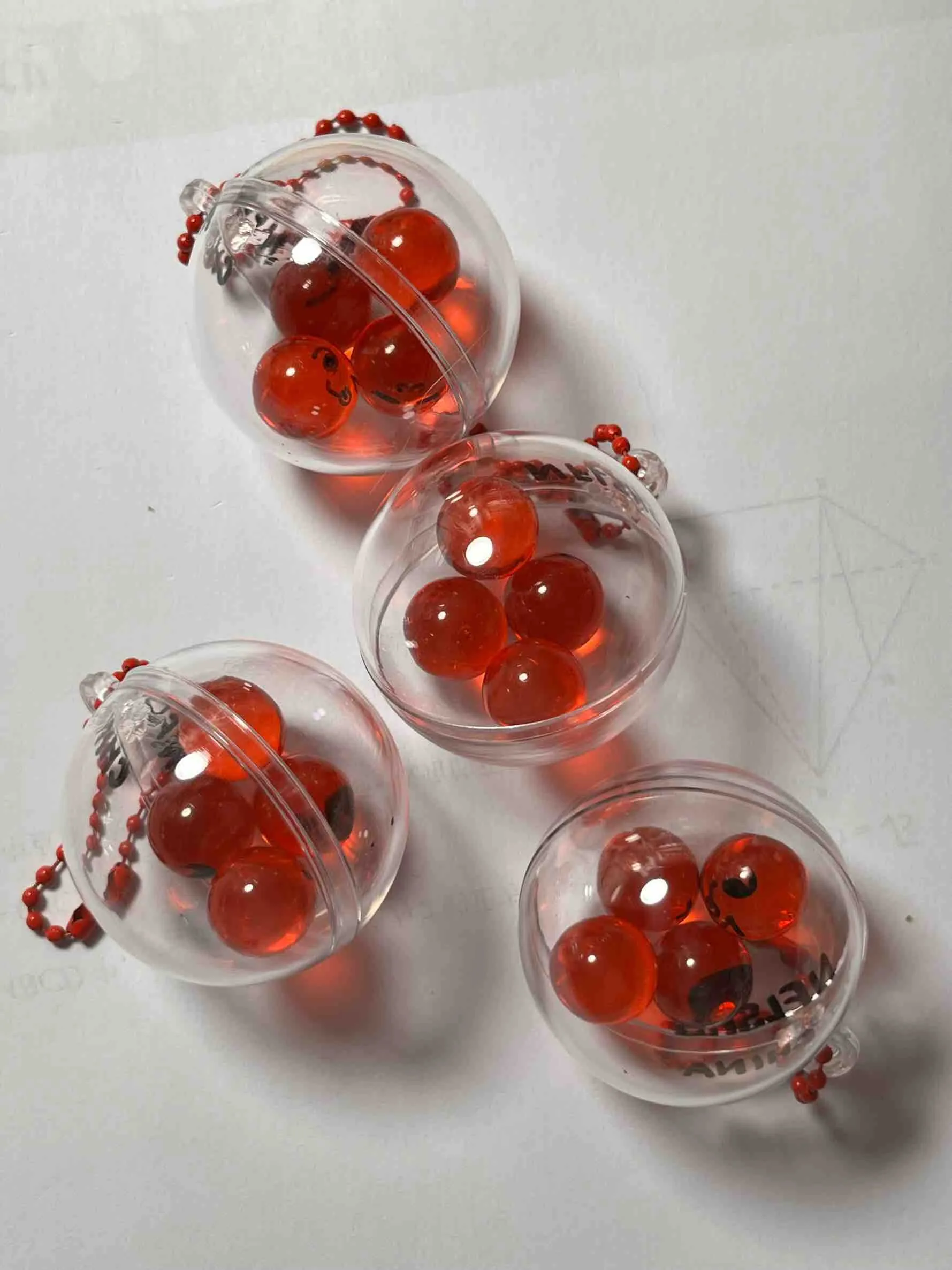
To implement our envisioned social outreach, we first customized numerous merchandise items tailored to our project's theme: handcrafted keychains inspired by Haematococcus pluvialis (the primary natural source of astaxanthin); custom-designed folders featuring IGEM/Haematococcus pluvialis-themed digital illustrations; and printed promotional posters. Subsequently, we distributed these items alongside informational materials during community outreach sessions, significantly expanding awareness of our project.
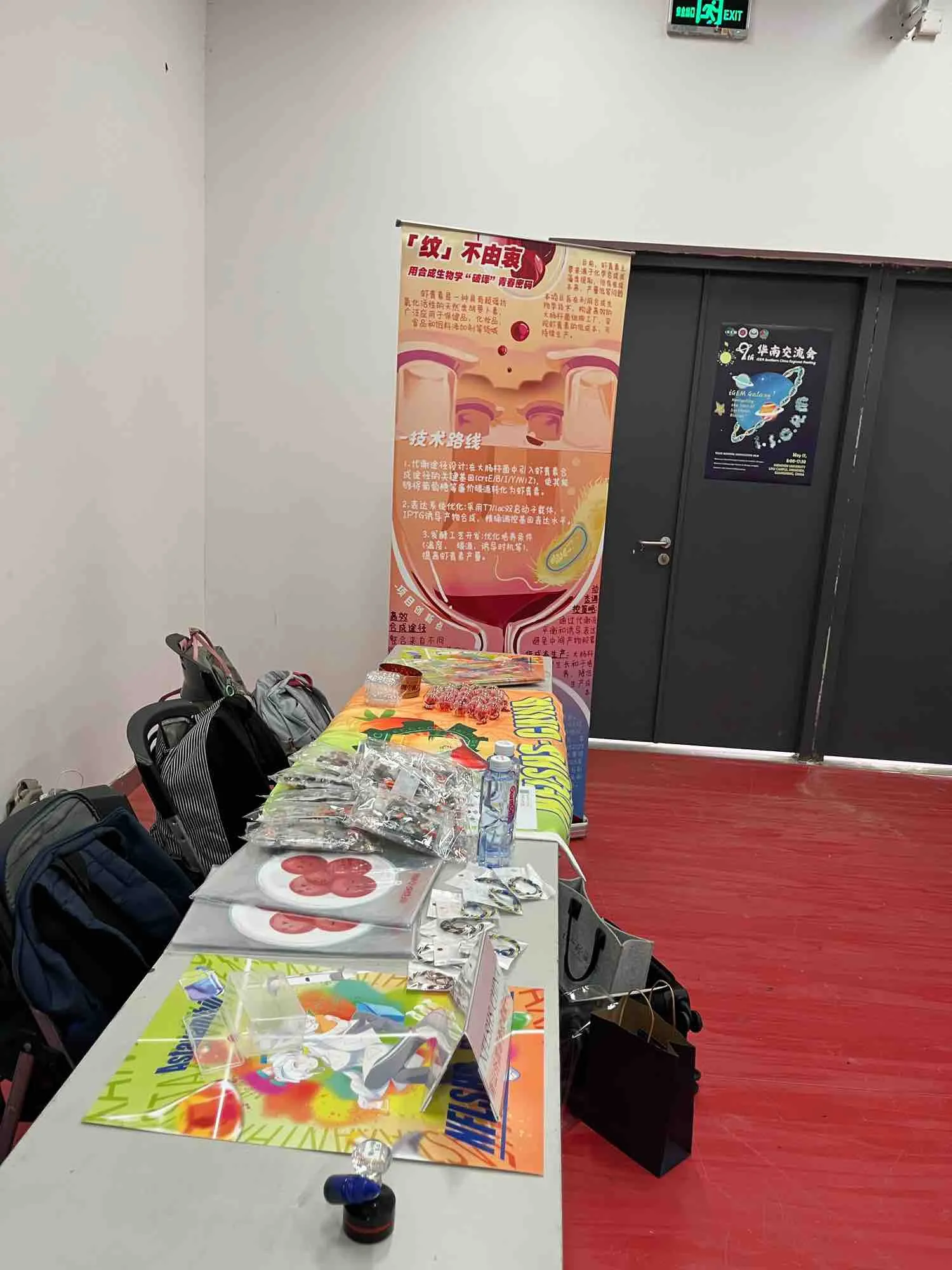
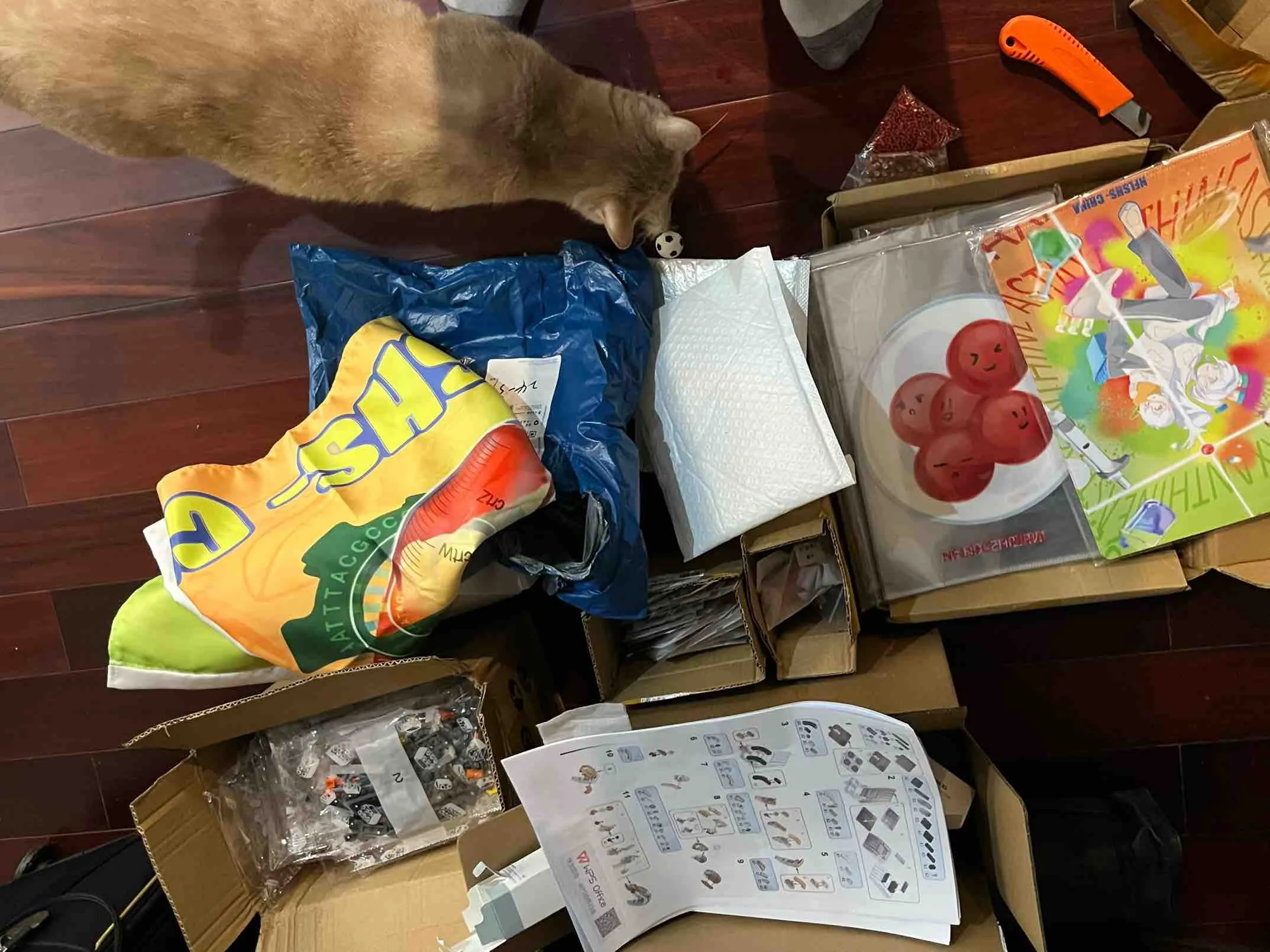
Encouraged by Shenzhen residents, Opera performers, and Beisheng Biotechnology, we began exploring our own business model.
Streamline the content and incorporate relevant sections
We mapped out the company's development and activities for the next seven years, sought potential partners, and conducted detailed investigations into development risks across market, financial, management, and regulatory aspects. The company has partners including Shenzhen University, Beisheng Biotech, and Zhongding Testing. We developed comprehensive financial projections for product R&D and established robust exit strategies—with an initial public offering (IPO) as the core exit strategy, mergers and acquisitions as a secondary exit, and share transfers as our final exit option (This option is only considered if the above two strategies prove ineffective.) Achieving substantial exit returns through an IPO not only enhances brand influence and social reputation but also injects capital momentum into the enterprise, thereby balancing short-term gains with long-term strategic development. Meanwhile, M&A exit maximizes the preservation of our autonomy, ensuring we retain significant influence over product development and pricing strategies.
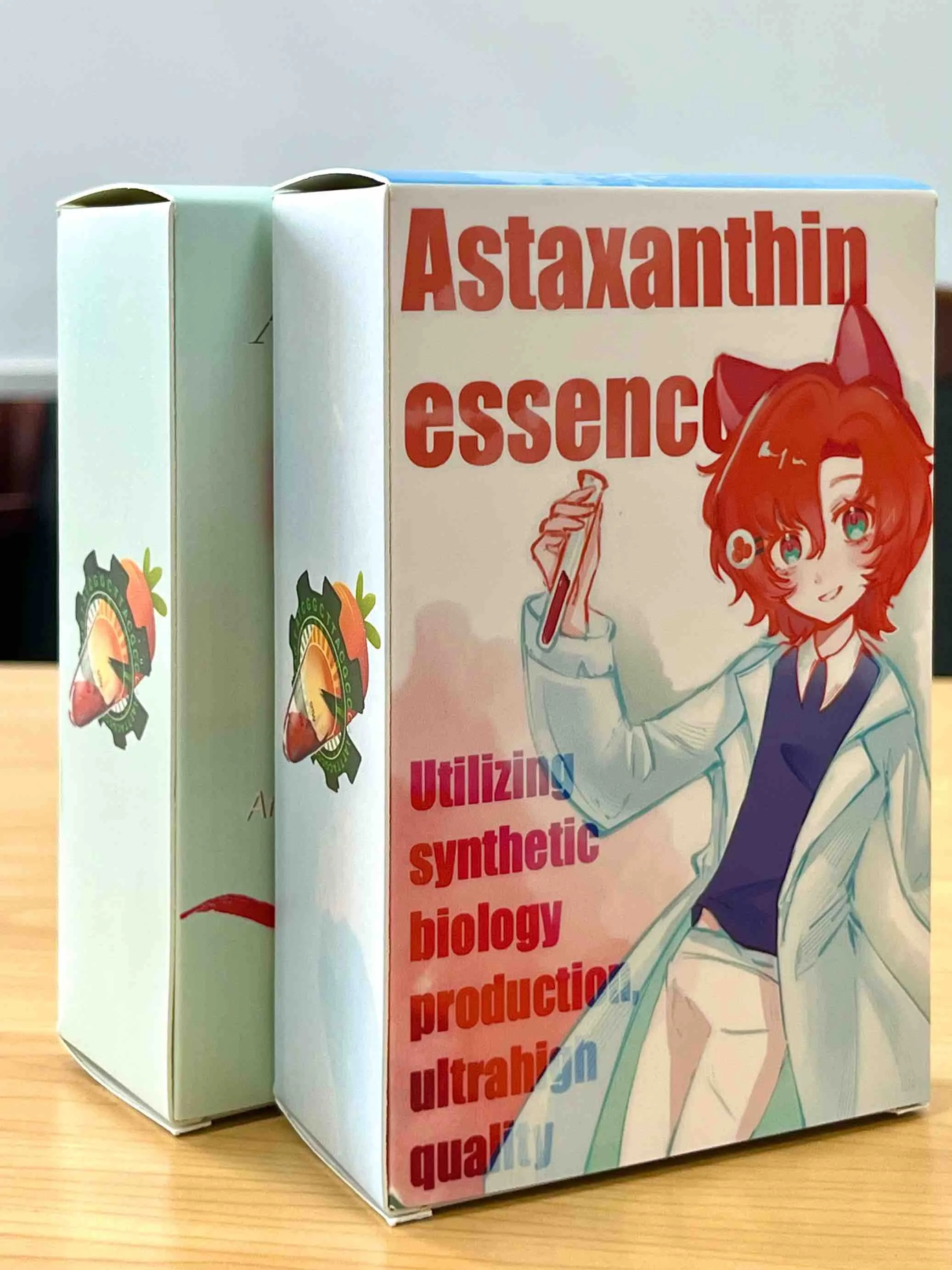
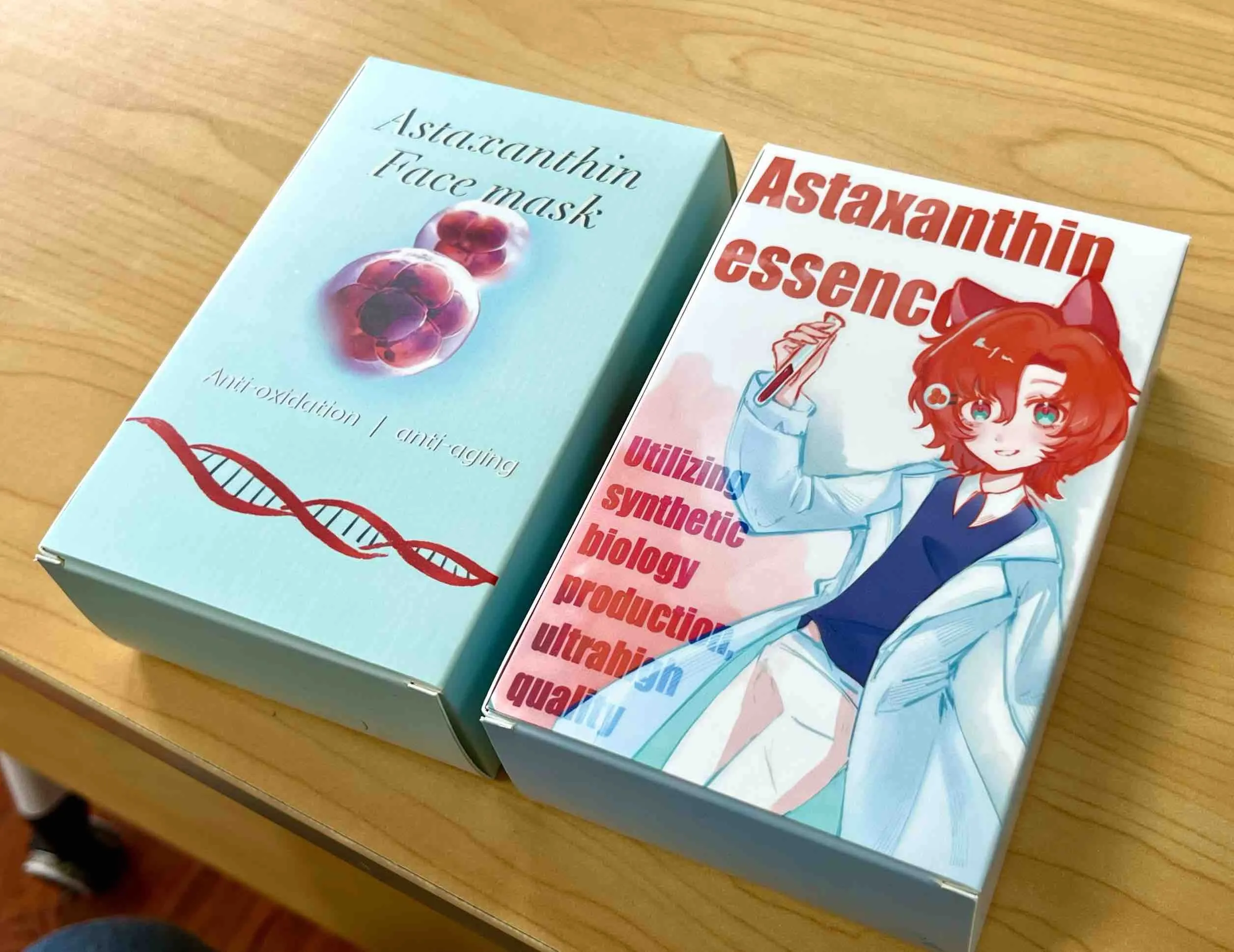
By late September, our product achieved initial success. At this stage, we finalized the complete product usage process and methodology.
Our primary product, astaxanthin, was successfully produced and extracted to create astaxanthin essence.
When developing secondary products, we strictly adhered to the China National Institute for Food and Drug Control's updated "Information on Raw Material Usage for Marketed Products" (February 9, 2025), which stipulates a 3% usage limit for astaxanthin in systemic and eye-specific products. We designed an astaxanthin mask highlighting its anti-aging, antioxidant properties, and affordability. We also emphasized its use of novel synthetic biology technology, underscoring its modernity.
Finally, we documented our human practice activities.
How the world affects our work
The world profoundly influences our research through personal, social, cultural, and regulatory dimensions.
On a personal level, the wrinkles on our mother's face made us realize that aging is not only a physiological process but also a source of emotional and cultural anxiety. On a societal level, surveys and street interviews revealed strong demand for anti-aging products, yet astaxanthin's high price renders it unaffordable for most people. This reflects the "inequality" in the cosmetics market, driving us to seek low-cost solutions.
Scientifically, Haematococcus pluvialis extraction faces obstacles like thick cell walls and susceptibility to fungal infections, while chemical synthesis is banned by the FDA due to safety concerns. These realities and regulations compelled us to pivot toward utilizing E. coli as a sustainable cell factory.
Culturally, we discovered that Peking Opera performers rely daily on red makeup, yet traditional pigments cause severe skin damage. This revealed a long-overlooked pain point, prompting us to expand our application from skincare to non-toxic red cosmetics.
Expert exchanges (dermatologists, biology professors, biotech companies) further shaped our design: they provided insights into bioactivity preservation, delivery methods, regulatory requirements, and industrial scalability. In essence, real-world needs, market constraints, cultural contexts, and expert insights collectively shaped our research, making it more responsible and practically feasible.
How our work affects the world
Our project seeks to impact the world through accessibility and cultural integration. By synthesizing astaxanthin using E. coli, we reduced production costs, making high-quality anti-aging products more accessible to the public and thereby diminishing "inequality" within the cosmetics market.
By expanding into red makeup for Peking Opera performers, we demonstrate how synthetic biology can preserve cultural heritage while reducing occupational skin disease risks. This shows biotechnology serves not only medicine and laboratories but also traditional arts.
In education and outreach, we teach people to identify counterfeits, understand synthetic biology, and properly use skincare products through community campaigns and online science communication. When engaging skeptics, we prioritize two-way dialogue over one-way promotion to gradually build public trust.
We incorporated feedback from dermatologists and businesses to upgrade our product into a "serum + mask" combination, demonstrating our responsiveness to real-world needs. Collaborations with companies and testing institutions also exemplify "responsible innovation."
Ultimately, we transformed the personal narrative of "a mother's wrinkles" into a scientific solution, inspiring broader recognition that synthetic biology transcends laboratory technology—it can creatively enhance everyday life.
[1] “虾青素.” 原创力文档(Book118), uploaded by wf93679, 17 Oct. 2016, https://max.book118.com/html/2016/1017/59618103.shtm.
[2] Davinelli, Sergio, Michael E. Nielsen, and Giovanni Scapagnini. “Astaxanthin in Skin Health, Repair, and Disease: A Comprehensive Review.” Nutrients, vol. 10, no. 4, 2018, p. 522. PubMed Central (PMC), doi:10.3390/nu10040522.