Synthetic biology plays a vital role across multiple fields, and its profound impact necessitates comprehensive safety measures throughout all iGEM activities. From the outset of our project, we recognized the critical need to carefully consider how to prevent harm to ourselves, fellow team members, the community, and the environment. We have consistently integrated safety and security into our project, upholding the principle that "working safely and reliably is a core element of responsible research and innovation." Throughout the experimental and product design phases, the iGEM team from Nanshan Foreign Language Senior High School thoroughly evaluated the project's potential current and future impacts and strictly adhered to iGEM's safety policy requirements.
Guided by the iGEM spirit, our team developed a novel biosynthetic pathway for astaxanthin, aiming to meet market demand for high-quality astaxanthin. As a high school research team, we must conduct meticulous analysis at every project stage—— from initial concept to final implementation—— thoroughly and specifically considering all potential safety hazards. Following legal document reviews, consultations with expert professors, and field investigations, we recognized the critical importance of astaxanthin biosynthetic safety for our project. Consequently, we conducted an in-depth safety assessment based on regulations governing medical and skincare products, ensuring the final product's safety from multiple dimensions.
The E. coli BL21(DE3) and E. coli TOP10 hypersensitive cells selected for our experiments are commonly used in most biological experiments. They are not only well-known for their safety in the field of genetic engineering but also offer advantages such as high transformation efficiency.
During the experiment, we first thoroughly reviewed relevant literature, conducted discussions, and consulted with our team's supervising instructor to finalize step design and task allocation. We then proceeded with the actual research operations while ensuring safety protocols were strictly adhered to. For plasmid DNA extraction, we followed the protocol outlined in Omega Biotech's General Plasmid Mini Kit (100T) manual. From plasmid transformation and E. coli cultivation to induction, expression, and product detection, we strictly adhered to the planned workflow without utilizing other organisms, ensuring compliance with iGEM's biosafety policies.
To minimize risks associated with chemical reagent use, we reviewed the properties of all chemicals involved in the experiment beforehand and prioritized safety during handling.
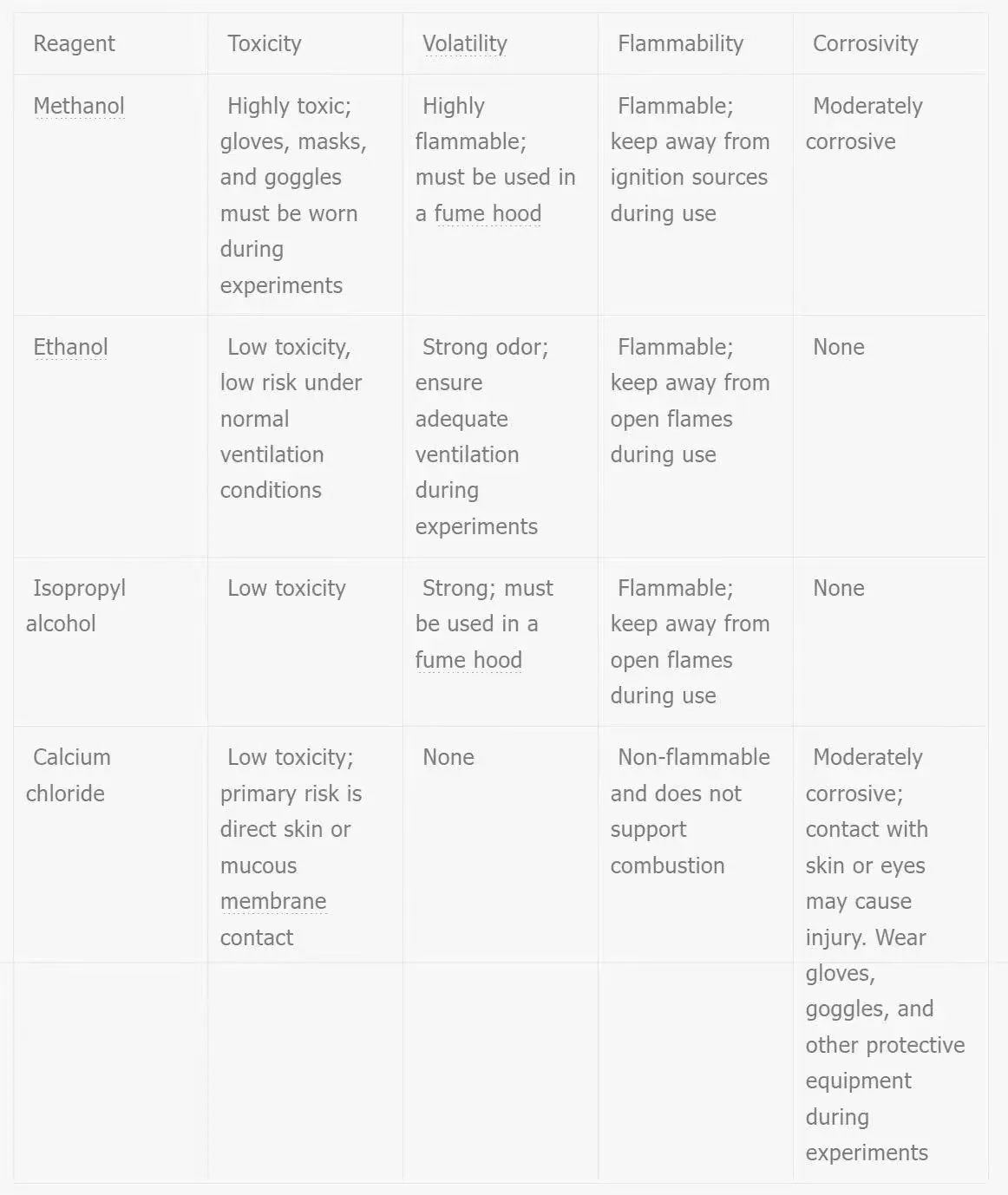 Figure 1. Chemicals
At the recommended dose, astaxanthin is generally considered safe. Haematococcus pluvialis, a natural source of astaxanthin, was approved as a new resource food by Announcement No. 17 of 2010 of the Ministry of Health of China. According to the "Information on the Use of Raw Materials for Listed Products" released by the China Institute of Food and Drug Inspection, the use of astaxanthin in systemic resident and eye resident products is 3%. Therefore, we set the content of astaxanthin and effective ingredients in the product to 3% to ensure that the dosage is within the compliant dose.
Our experiments were conducted in the iGEM laboratory at Shenzhen University and the laboratory at Nanshan Foreign Language Senior High School. Both facilities meet Biosafety Level 2 standards and are equipped with fire suppression systems, access control systems, electrical systems, and safety alarm systems, fully capable of supporting iGEM-related experiments. Key functionalities and safety equipment in our laboratories include:
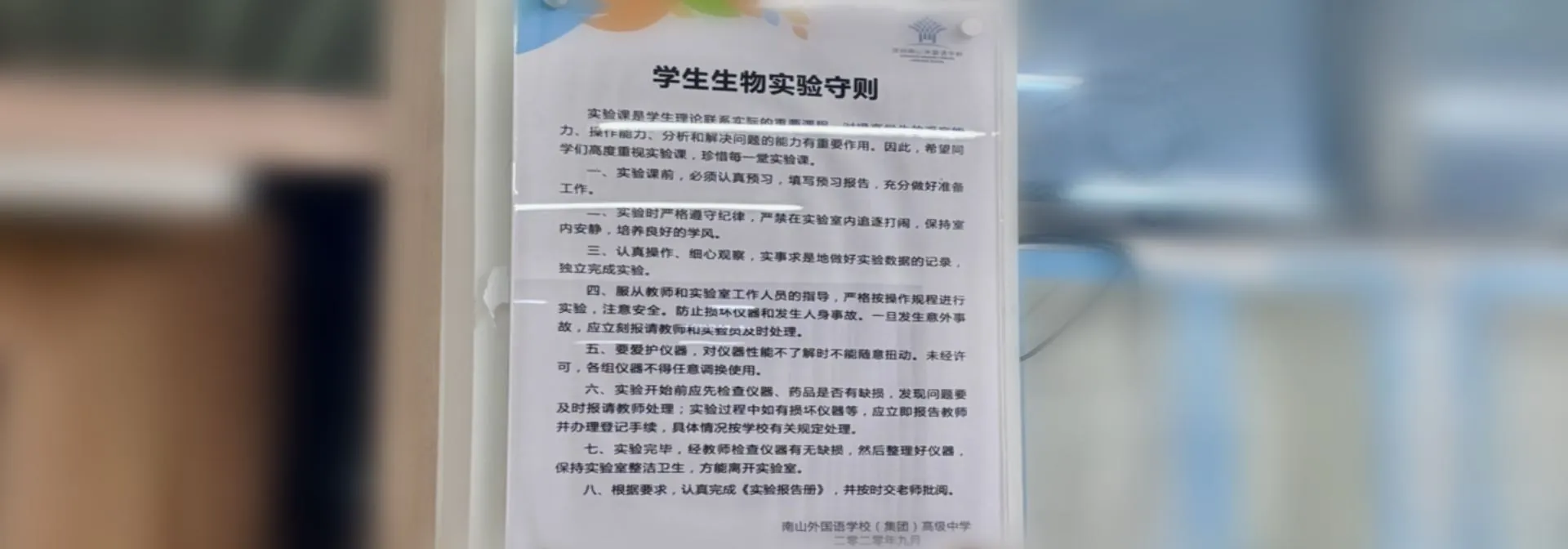
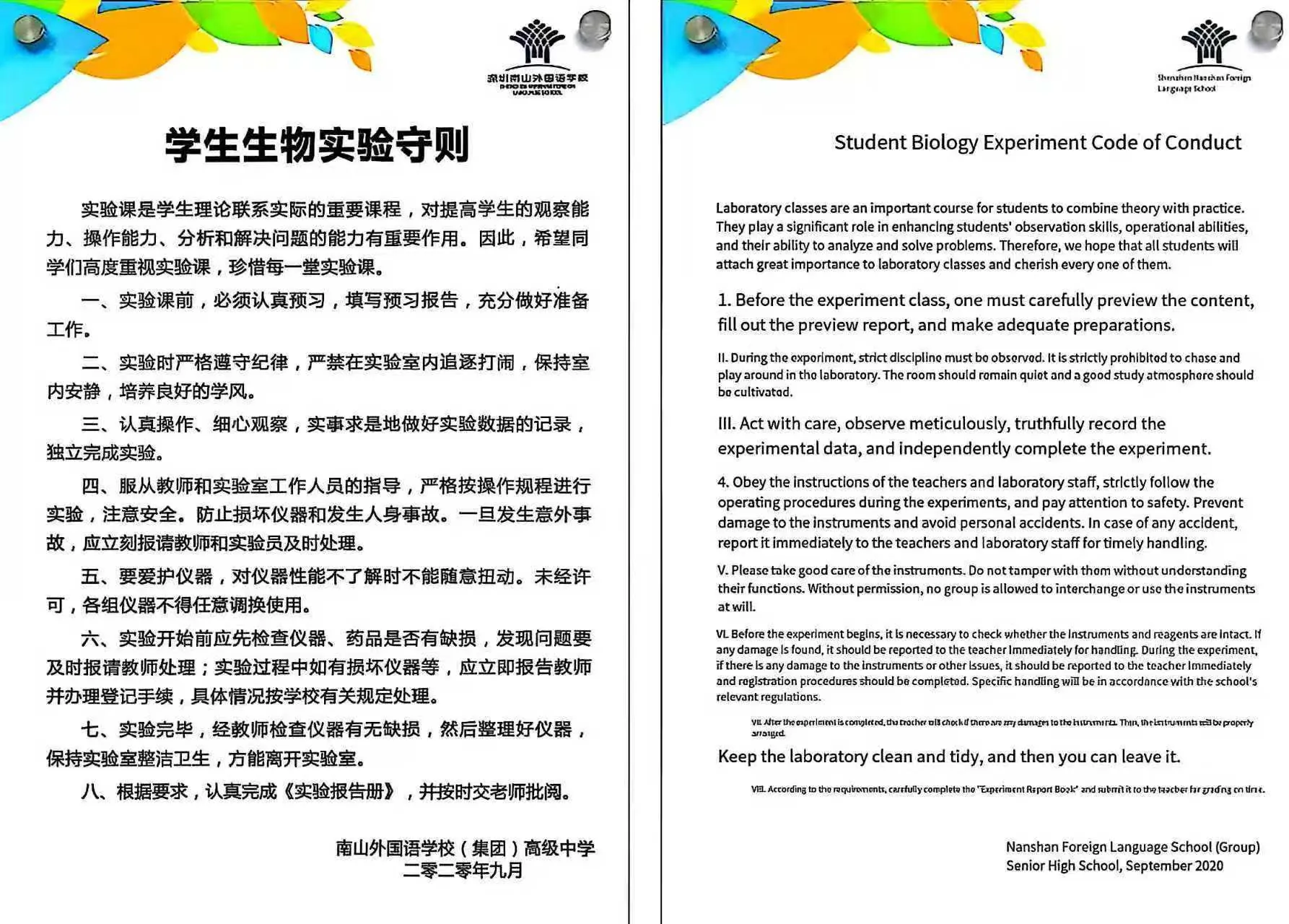 Figure 2. Student Biology Experiment Code of Conduct
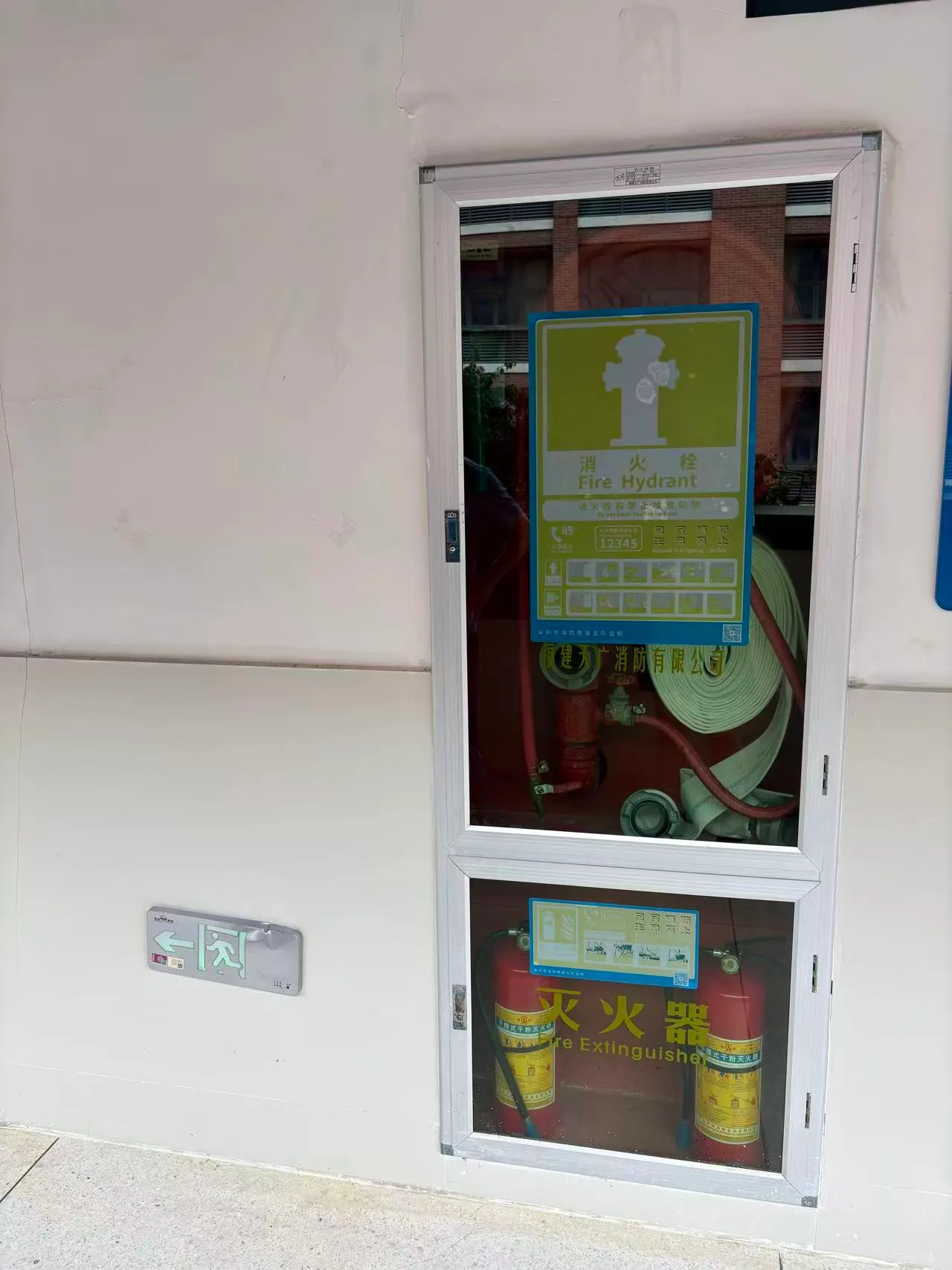 Figure 3. Equipment
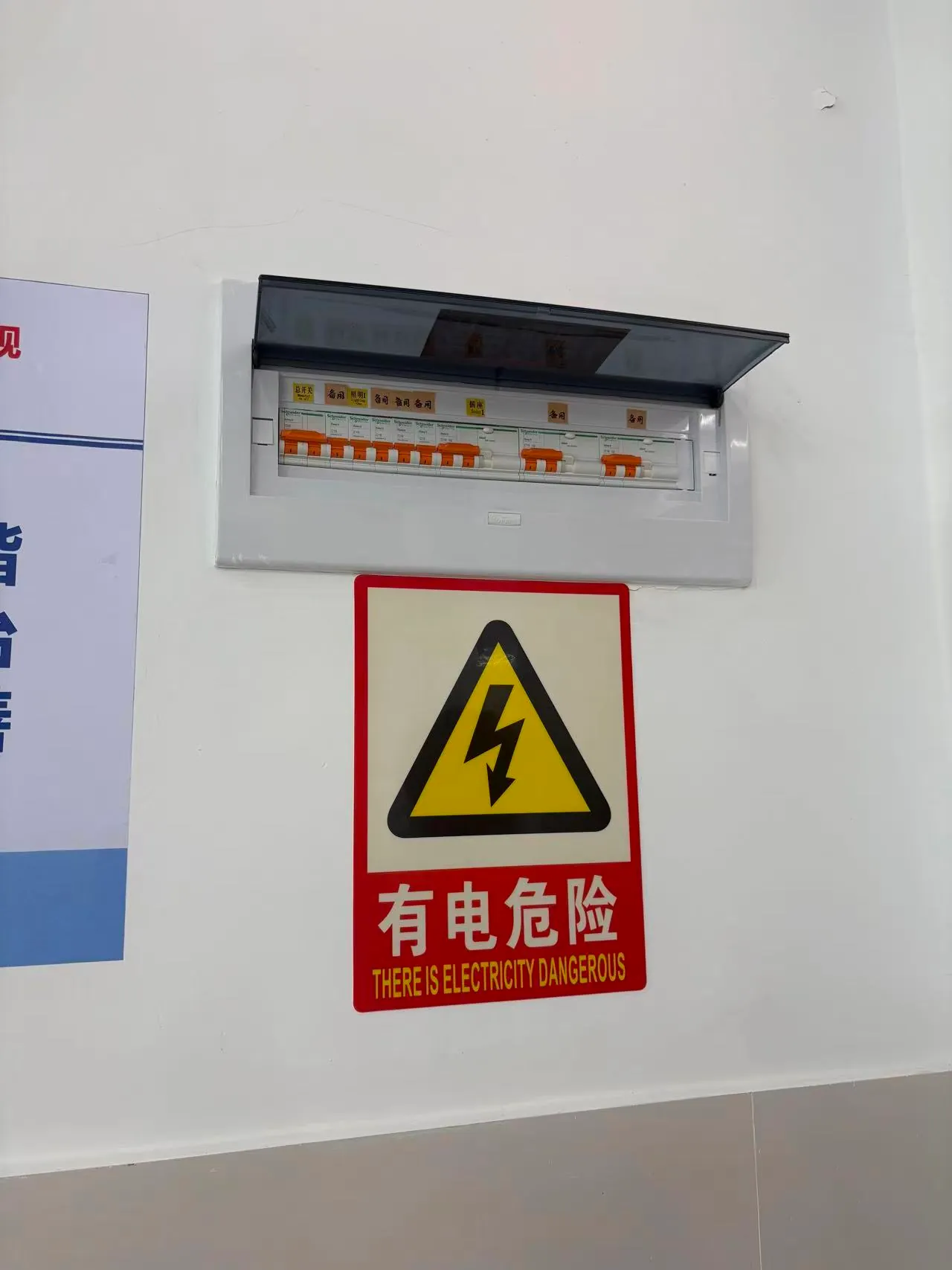 Figure 4. Equipment
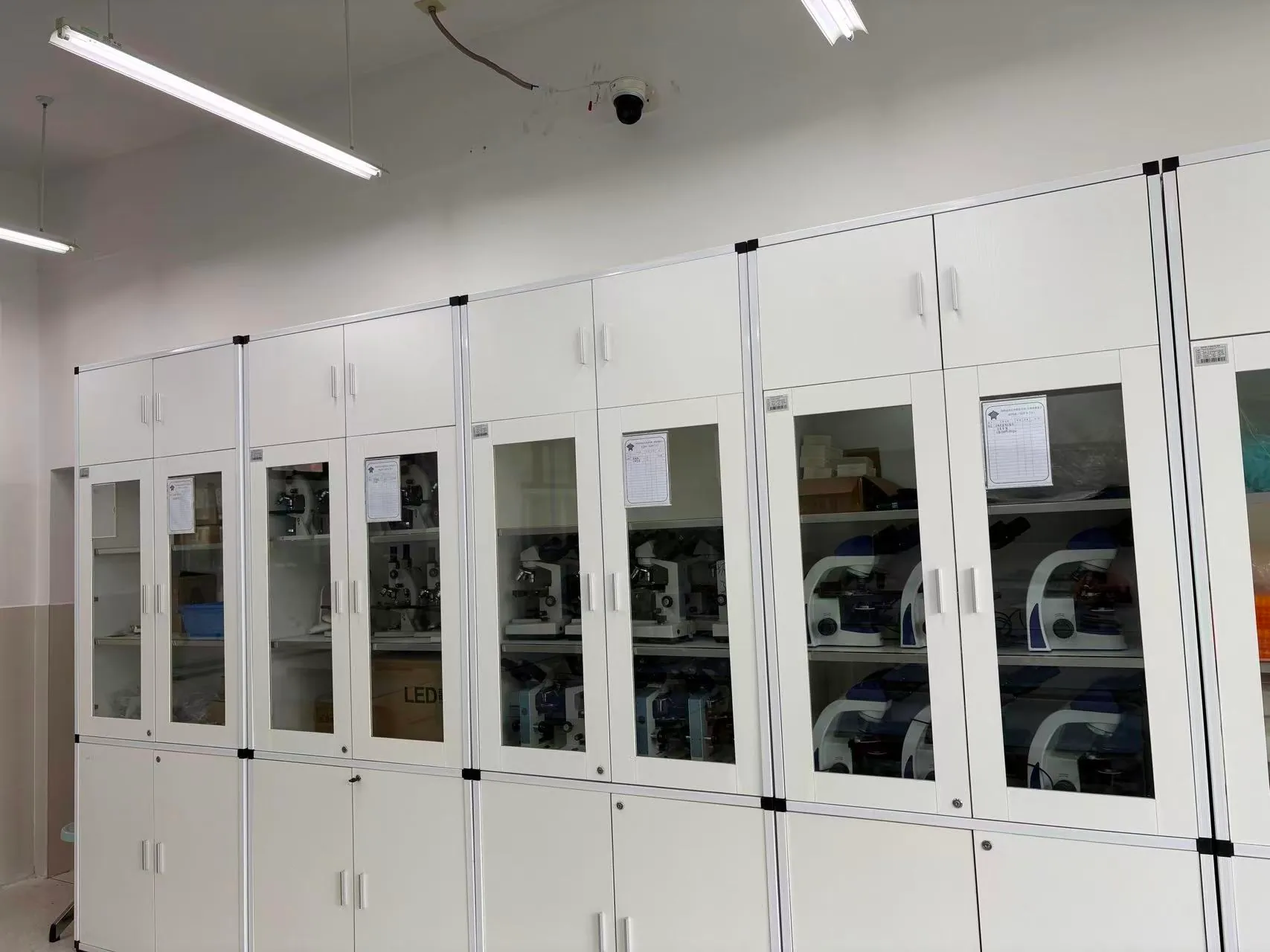 Figure 5. Equipment
Individuals without laboratory training are prohibited from participating in experimental activities during procedures. These measures enhance experimental safety and reliability, thereby mitigating potential risks to both personnel and the environment.
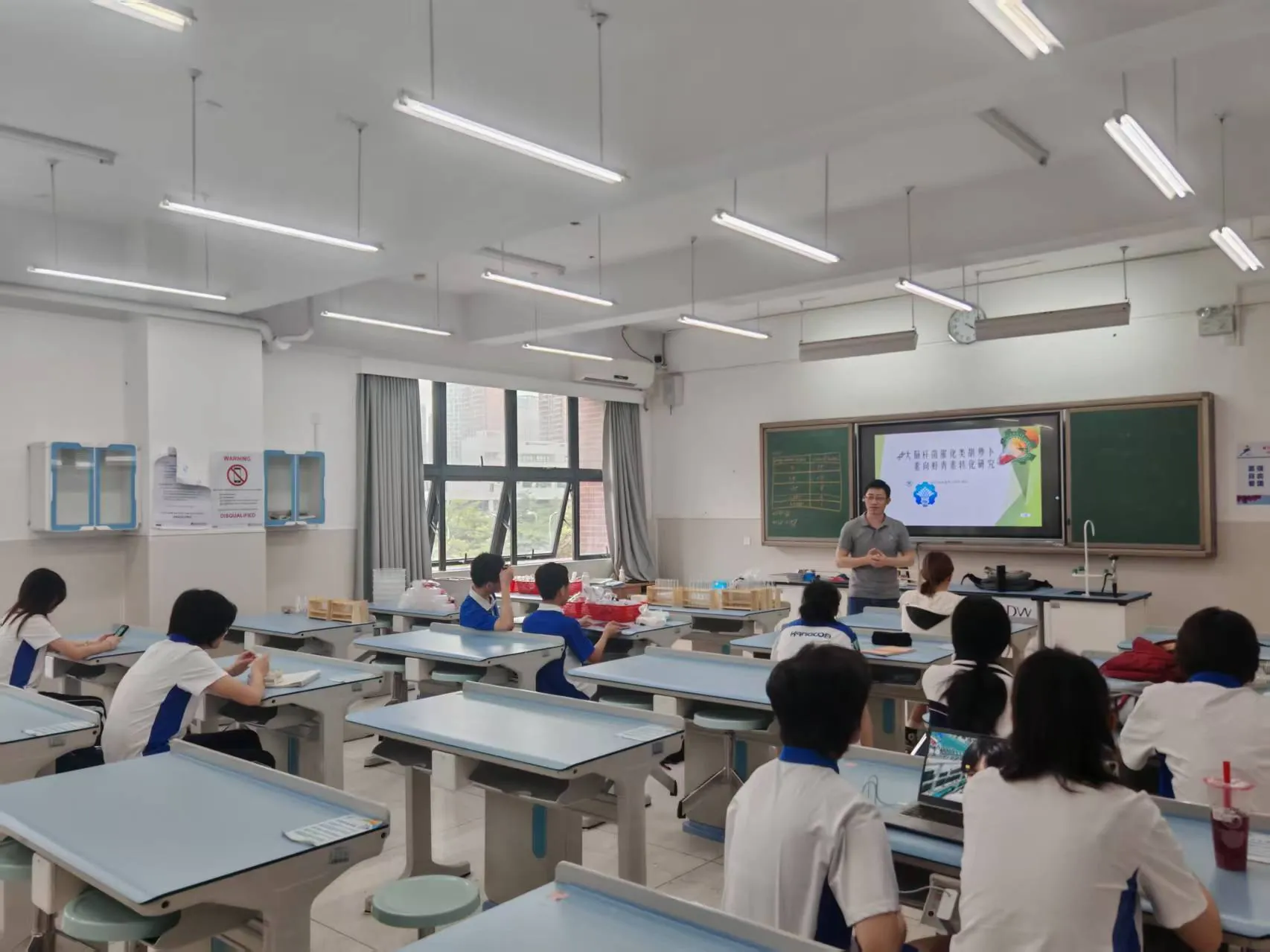 Figure 6. Training Courses
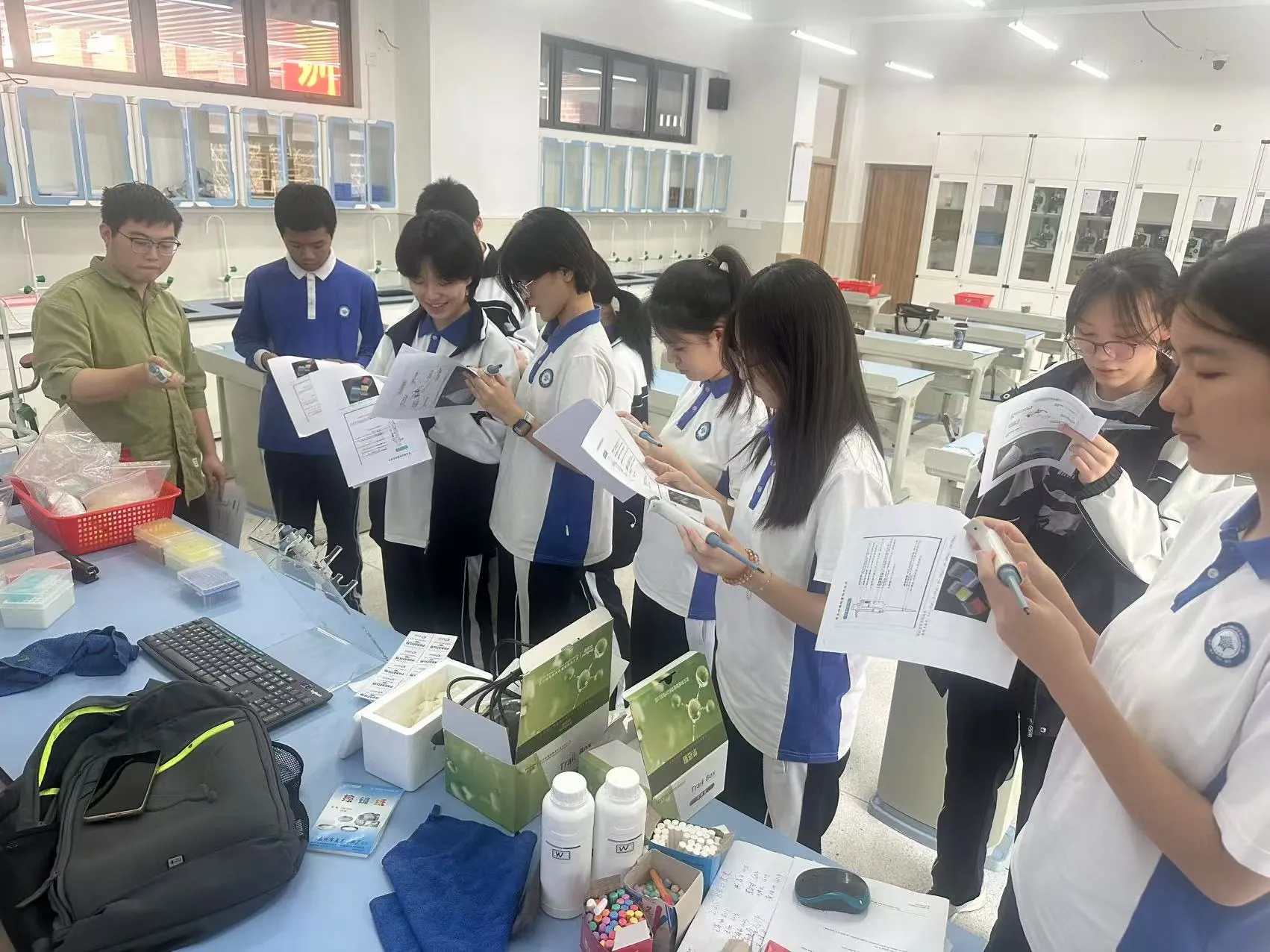 Figure 7. Training Courses
We fully recognize that product compliance and quality form the foundation for market success. Before launching our biosynthetic astaxanthin mask product, we thoroughly researched national legal documents regarding quality requirements for personal hygiene/medical products. This process deepened our understanding of production standards, quality assurance protocols, and other critical aspects underlying product development, leading to improvements in our product. According to the "Information on Raw Material Usage in Marketed Products" published by the China National Institute for Food and Drug Control[1], the permitted usage level of astaxanthin in systemic and eye-specific products is 3%. Therefore, we have set the concentration of astaxanthin and active ingredients in our masks to 3%. To prevent structural damage, inactivation, or discoloration of astaxanthin, we encapsulate it with cyclodextrin and add 2% rutin (also meeting the specified dosage requirements) as an antioxidant to shield it from environmental influences. Furthermore, we systematically reviewed core documents such as the State Council's "Regulations on the Supervision and Administration of Cosmetics"[2] and the "Technical Specifications for Cosmetic Safety"[3]. We meticulously reviewed critical clauses regarding ingredient concentration limits, microbial standards, and prohibited preservatives to ensure our product designs comply with safety requirements and pose no harm to human health. Furthermore, we strictly adhere to the "Product Quality Law of the People's Republic of China"[4], printing the product quality inspection certificate on the outer packaging and prominently displaying the product specifications, grade, names and quantities of major ingredients, production date, safe usage period, and usage instructions to prevent risks to personal safety. To ensure the quality and safety of our face masks consistently meet standards, we conduct regular quality testing and customer surveys to collect, analyze, and evaluate data. This facilitates the timely identification and resolution of potential issues. Subsequently, we perform safety assessments and make necessary improvements in accordance with the "Technical Guidelines for Cosmetic Safety Assessment"[5]. Simultaneously, we focus on aligning with international standards[6] to enhance our products' global competitiveness.
Throughout human practice activities, we prioritize safety implementation. To begin with,we engaged in discussions with respected experts such as Professor Wang Jiangxin and Teacher Chen Weizhao. We also consulted Biosysen, a company with extensive experience in transitioning from laboratory to industrial-scale applications, gaining valuable professional advice and methodological guidance that accelerated the industrialization of our technological achievements. In addition, we conducted oral interviews with family members and friends around us, asking about their opinions and concerns regarding the integration of synthetic biology and facial mask products, and made improvements based on the original products. During related science outreach activities, our team strictly adheres to iGEM safety protocols, ensuring all genetic engineering operations are conducted within rigorously controlled laboratory environments. We commit to never removing genetically modified organisms from the laboratory to guarantee activity safety and prevent any form of genetic leakage.
As a high school research team, we deeply understand that scientific exploration is not merely the pursuit of new knowledge, but also a commitment to safety, ethics, and responsibility. In the laboratory, every procedure reminds us that true innovation must be built upon rigorous safety awareness. By learning and practicing risk management and safety protocols, we not only protect ourselves and our team but also lay a solid foundation for our future scientific journey. This sense of responsibility is the most vivid embodiment of the scientific spirit. Centered on collaboration and accountability, our team has grown through both setbacks and triumphs. Moving forward, we remain committed to the iGEM ethos——advancing innovation through synthetic biology while steadfastly upholding the fundamental principles of safety and ethics.
[1]https://www.nifdc.org.cn/nifdc/bshff/hzhpbzh/hzhpbzhtzgg/202502071436561433633.html
[2]https://www.gov.cn/zhengce/content/2020-06/29/content_5522593.htm
[3]https://mpa.gd.gov.cn/zwgk/zcfg/bmgz/content/post_1841027.html
[4]https://www.samr.gov.cn/zfjcj/tzgg/art/2023/art_579118cd202a45fba28b7edfd9f6fd72.html
[5]https://ypjg.ln.gov.cn/ypjg/ztzl/hzpaqpggzzl/zcwj/2025032716384317355/index.shtml
[6]https://www.fda.gov/cosmetics/cosmetics-laws-regulations/modernization-cosmetics-regulation-act-2022-mocra